Venus Finally Gets Its Turn: NASA's Two Long-Delayed Venus Missions Have Launch Dates
Both missions are back on track
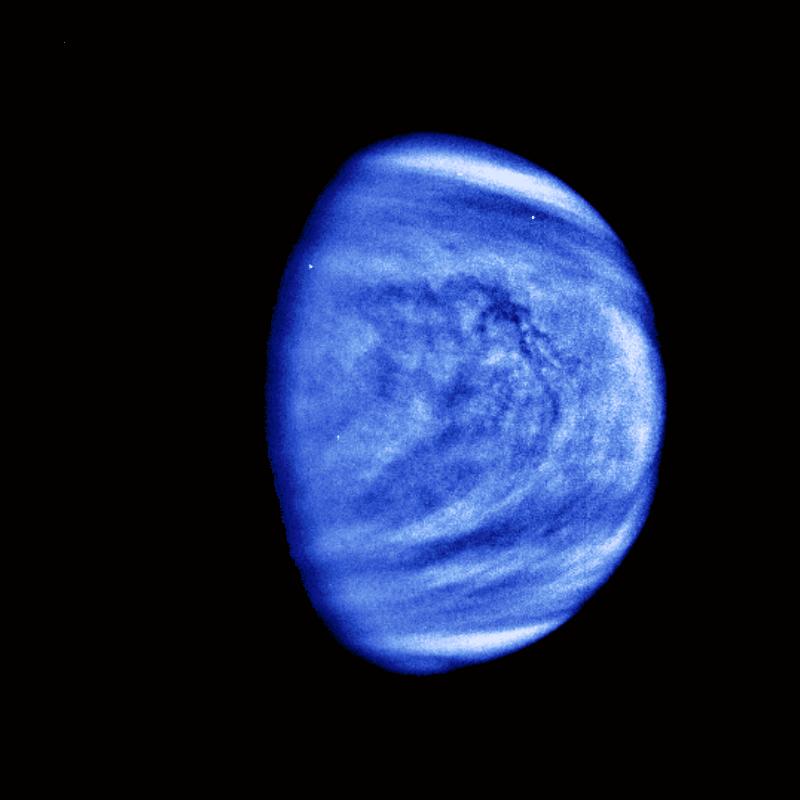
After two years of budget scares and slipping schedules, NASA's two Venus missions now have launch dates that scientists no longer describe as provisional. The update came at last week's meeting of the Venus Exploration Analysis Group (VEXAG). "We have some good news for Venus," said Jim Garvin, a planetary scientist at NASA's Goddard Space Flight Center and principal investigator for DAVINCI.
DAVINCI launches in December 2030
DAVINCI — Deep Atmosphere Venus Investigation of Noble gases, Chemistry, and Imaging — is now slated to launch in December 2030, a full year earlier than its previous plan. The mission pairs a carrier spacecraft that makes two Venus flybys for remote sensing with a descent sphere that parachutes through the atmosphere toward the surface.
Between Aug. 28 and Sept. 10, an engineering model of the DAVINCI probe — a yoga-ball-sized vessel with a titanium shell — was placed in a furnace at Rex Heat Treat in Bedford, Pennsylvania, one of the few U.S. facilities that can heat hardware as rapidly as a Venus descent would. Six times it climbed to 465 C (869 F) over about an hour, matching the mission's 55-to-60-minute descent timeline, with more than 100 sensors watching instrument simulators inside. The unit survived intact. "There hasn't been such a complete assessment of spacecraft-scale hardware at Venus temperatures in the U.S. since the mid-1970s," Garvin said.
The first surface images since 1982
The budget knife almost finished them
Congress held the line
Lawmakers rejected the deepest cuts for fiscal year 2026, appropriating $2.54 billion for planetary science — about $220 million below the previous year but well above the request — which rescued DAVINCI. A continuing resolution now funds the government into December, leaving the FY2027 outcome open; the Planetary Society expects Congress to reject the proposal again.