What Are the Core Space Weather Metrics and Chronological Windows in NOAA's Storm Watch?
- Forecast Planetary Geomagnetic Kp-Index Peak: Reaching Kp 5 to Kp 6 (Threshold for G1/G2 Storms)
- Projected Peak Magnetospheric Impact Time Window: November 7, 2026, 00:00 to 06:00 UTC
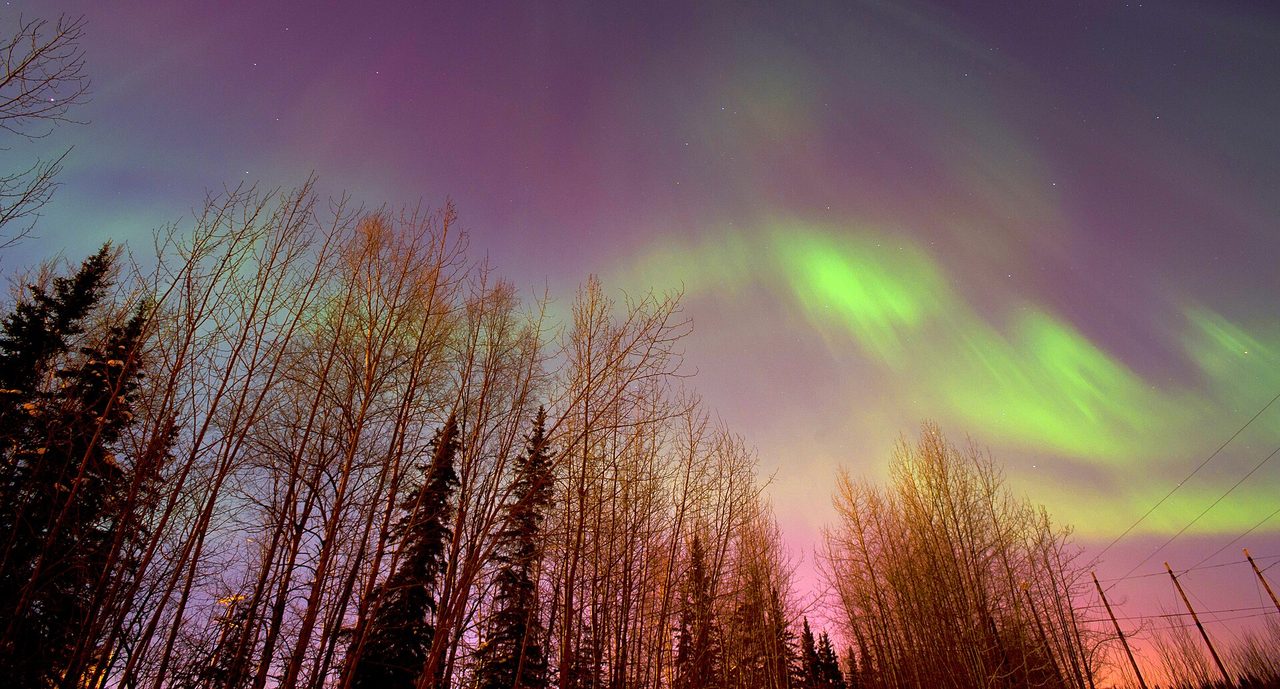
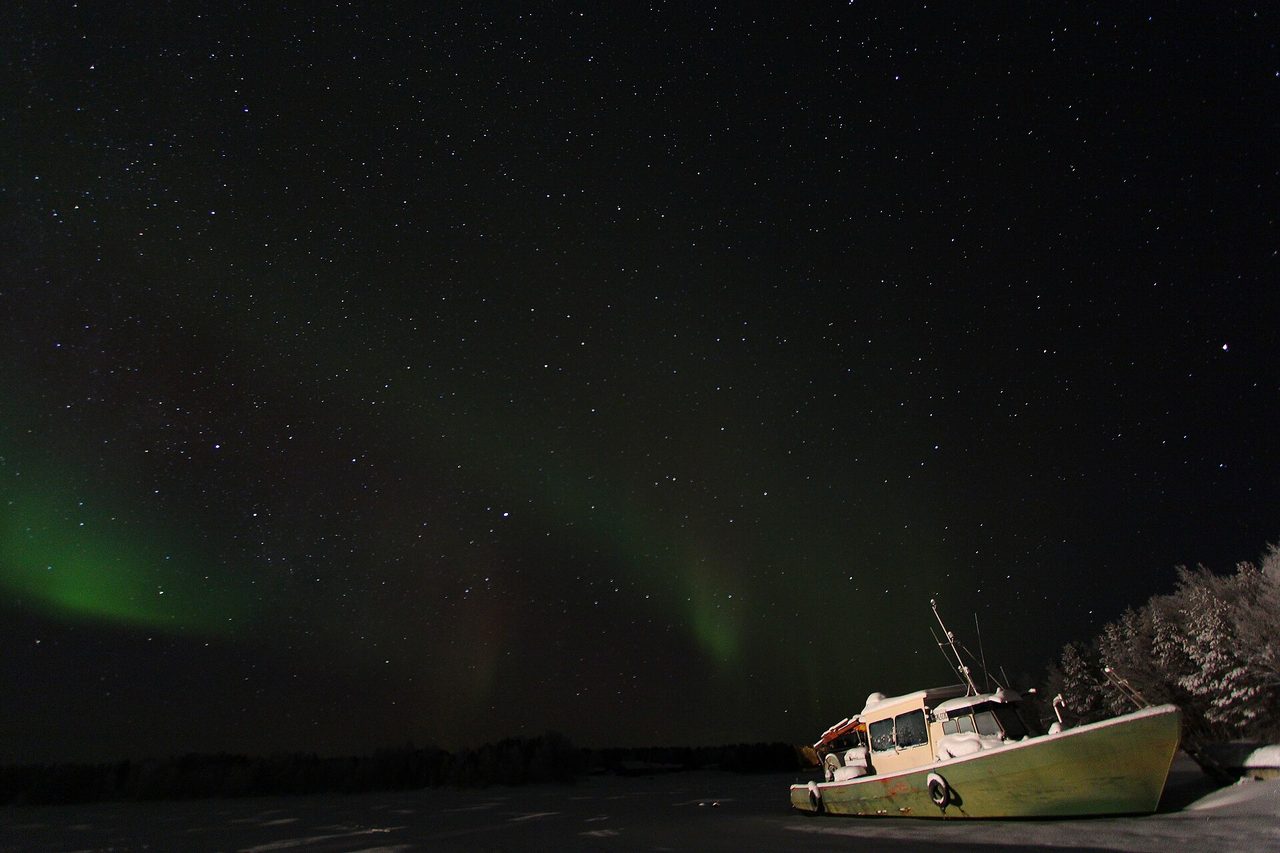
- Northern U.S. States With Elevated Aurora Visibility: 22 States (Including Idaho, Montana, and New York)
Coronal holes represent regions within the solar corona where ambient temperatures are suppressed and plasma densities are depleted due to unipolar, open magnetic field architecture. Unlike closed toroidal magnetic field loops that trap superheated coronal plasma close to the solar surface, open magnetic field lines extend indefinitely into interplanetary space. Real-time telemetry harvested by NOAA's DSCOVR satellite and NASA's Solar Dynamics Observatory (SDO) reveals that Coronal Hole 09 spans hundreds of thousands of kilometers across the solar disk, rotating directly into geo-effective alignment and releasing a continuous torrent of ionized protons, electrons, and alpha particles.
How Do High-Speed Solar Streams Affect Low Earth Orbit Satellites and Terrestrial Infrastructure?
While G1 and G2 geomagnetic disturbances pose zero physiological hazard to terrestrial human populations, they exert measurable physical stress upon electromagnetic aerospace and telecommunications infrastructure.
In low Earth orbit (LEO), energetic particle precipitation into the auroral thermosphere induces localized atmospheric heating and expansion. This elevated neutral atmospheric density increases aerodynamic drag on commercial satellite constellations and scientific spacecraft, requiring constellation operators to track orbital decay and execute station-keeping thruster burns. At ground level, minor geomagnetically induced currents (GICs) may register along high-latitude electrical transmission grids without precipitating protective transformer trips. Meanwhile, transpolar aviation flights navigating high-frequency (HF) radio channels may experience brief propagation degradation across polar cap absorption pathways.
Geophysicists explained that the severity of geomagnetic disturbances depends heavily on the orientation of the interplanetary magnetic field (IMF). When the solar wind's magnetic field points southward—antiparallel to Earth's northward-directed geomagnetic field—magnetic reconnection occurs rapidly at the dayside magnetopause, channeling solar wind energy directly into the inner magnetosphere and fueling intense substorms. Ground-based magnetometers across North America and Scandinavia provide real-time telemetry tracking these micro-pulsations as the coronal stream arrives.
Furthermore, commercial satellite operators are increasingly adopting automated collision-avoidance maneuver algorithms that incorporate dynamic space weather forecasting models. During periods of heightened upper atmospheric density, orbital tracking ephemeris uncertainties widen significantly, necessitating coordinated tracking data exchanges between the U.S. Space Force's 18th Space Defense Squadron and commercial mega-constellation operations centers to prevent close-approach conjunctions.
What Are the Broader Scientific Implications for Heliophysics and Deep Space Exploration?
The arrival of Coronal Hole 09's high-speed stream underscores the dynamic, turbulent nature of Solar Cycle 25 as it navigates its extended solar maximum phase.
Favorable celestial conditions, enhanced by a dark night sky free from moonlight interference, will provide skywatchers across high-latitude regions with pristine aurora viewing opportunities. More significantly, the coordinated execution of real-time solar wind tracking—measuring solar wind speed, plasma density, and the crucial southward-pointing interplanetary magnetic field vector (Bz)—validates the resilience of our international space weather warning infrastructure, yielding critical operational insights essential for shielding future lunar Artemis habitats and interplanetary Mars missions from ionizing radiation.