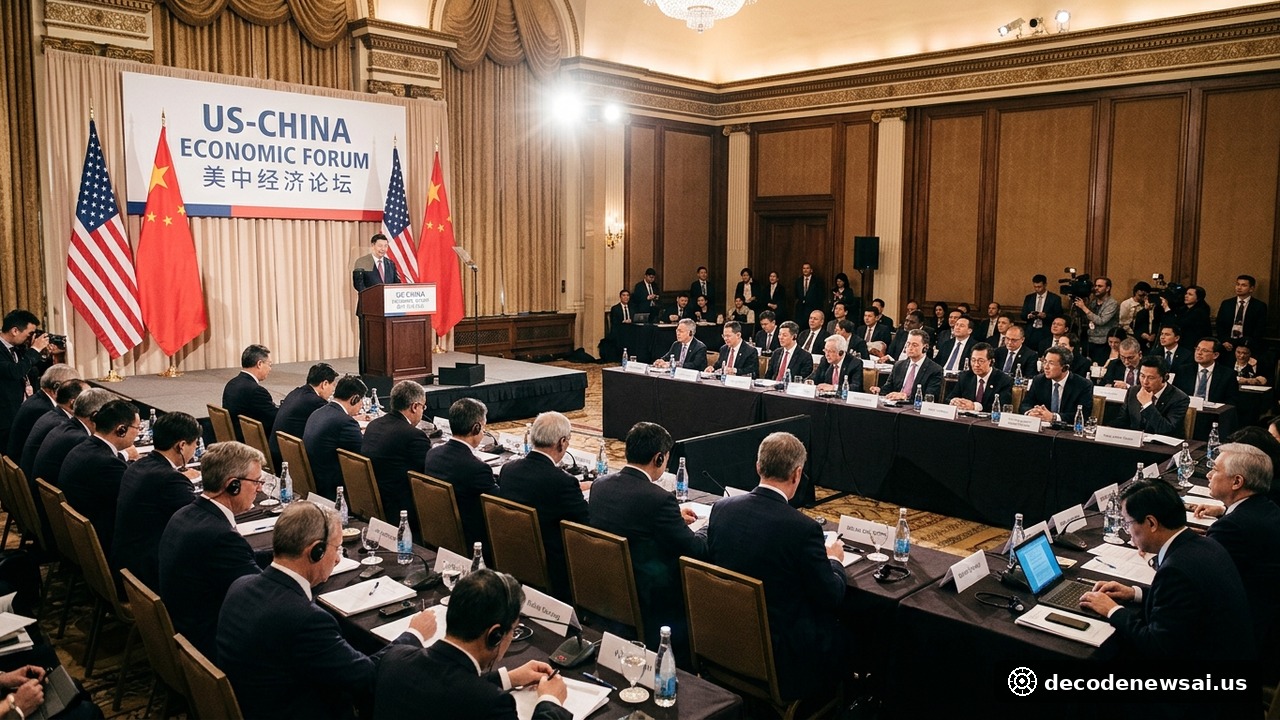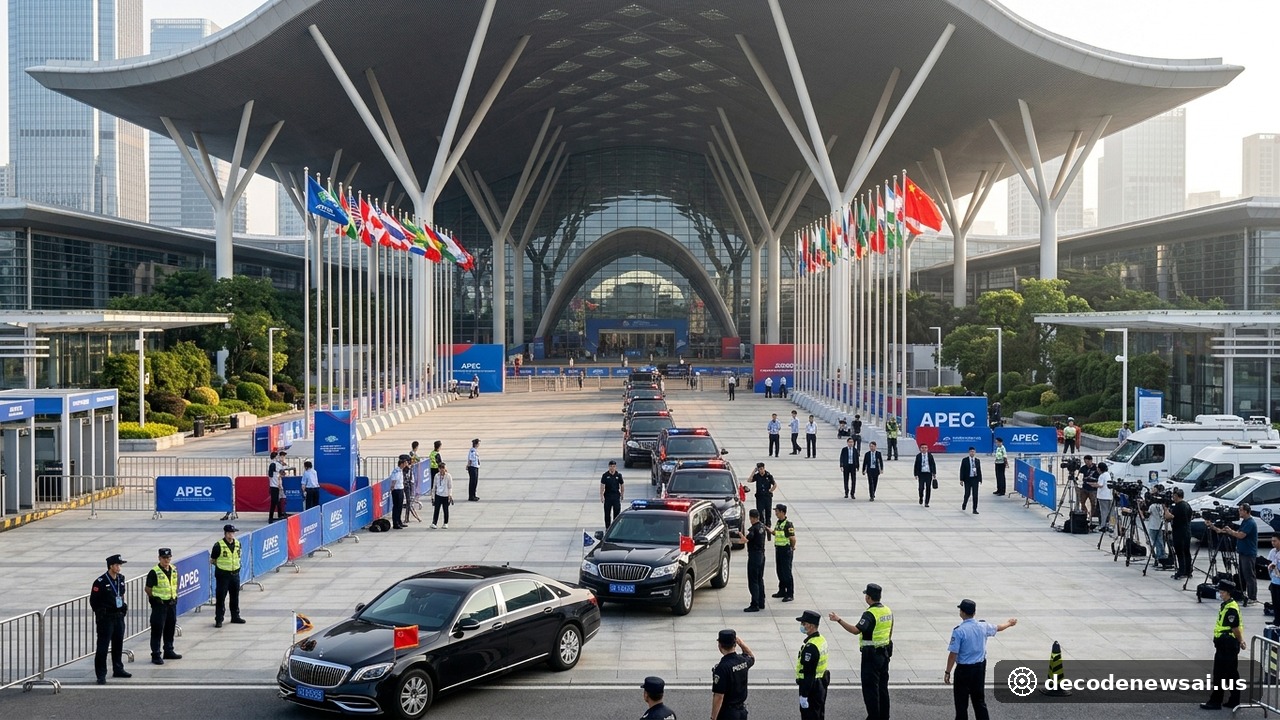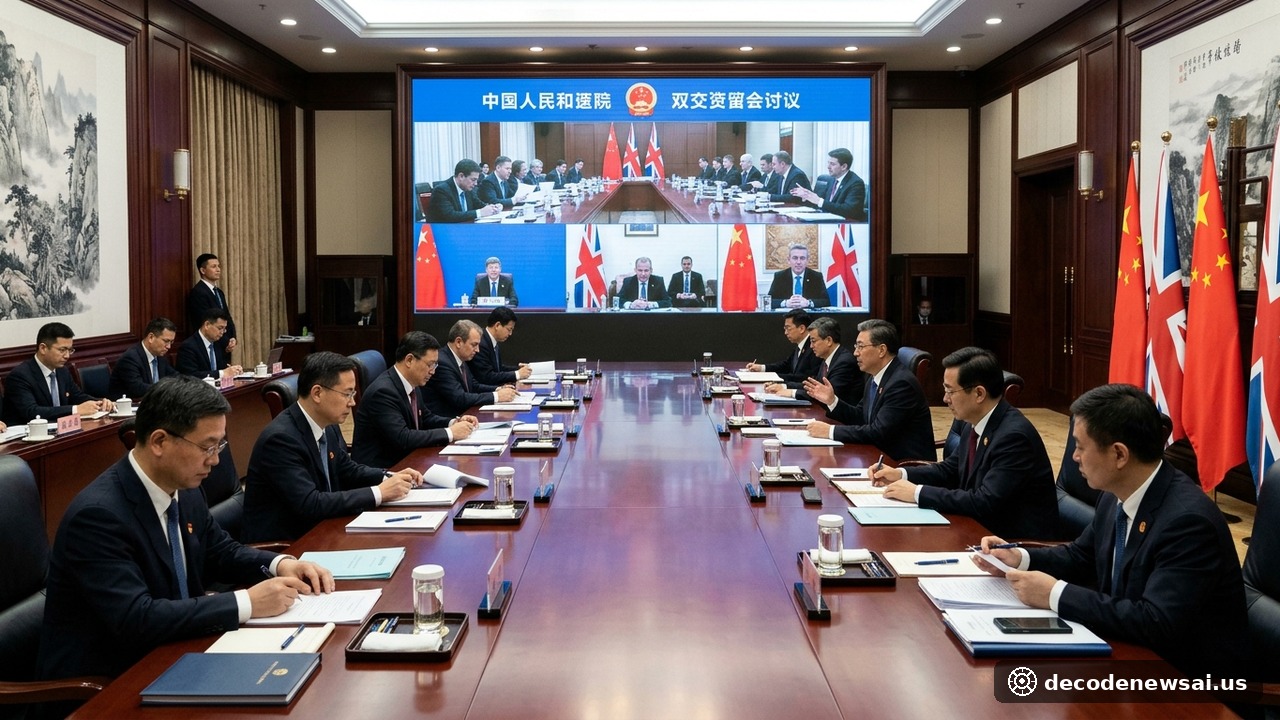
Chinese Vice Premier He Lifeng held high-level economic consultations via secure video conference on November 6, 2026, with U.S. Treasury Secretary Scott Bessent and U.S. Trade Representative Jamieson Greer, reaffirming mutual trade commitments under the Busan framework; Beijing verified ongoing multi-year U.S. soybean purchases through 2028 and paused new rare earth export licensing restrictions, while the U.S. Commerce Department's Bureau of Industry and Security (BIS) extended the formal suspension of its sweeping Affiliates Rule through January 10, 2027, establishing diplomatic stability ahead of the Asia-Pacific Economic Cooperation (APEC) leaders' summit.
What Strategic Breakthroughs Highlight the US-China Trade Consultation?
- Critical Strategic Minerals Controls: Suspension of new rare earth restrictions and general licensing
- Unilateral Sanctions Pushback: Chinese protest over Cuba-related designations of two firms
- Multilateral Executive Timeline: Bilateral guardrails aligned ahead of November APEC summit
Why Did Bilateral Discussions Center on Agricultural Quotas and Rare Earth Licensing?
During the bilateral consultations, senior trade principals evaluated implementation benchmarks established during the prior year's summitry in Busan, where both nations agreed to defuse tariff escalation through structured bilateral accommodations.
Agricultural trade remains the indispensable stabilizing pillar of bilateral commercial diplomacy. Chinese commitments guaranteeing substantial soybean import volumes through 2028 provide vital revenue guarantees to American agricultural exporters navigating global price volatility. In return, Beijing's agreement to forestall new quantitative export controls on heavy rare earth elements—paired with the issuance of general commercial export licenses—mitigates acute supply-chain panic across Western defense contractors, automotive battery manufacturers, and consumer electronics conglomerates reliant on neodymium and dysprosium magnets.
Why Did the Bureau of Industry and Security Extend the Affiliates Rule Moratorium?
In tandem with Chinese concessions on critical minerals, the U.S. Department of Commerce published an administrative determination extending the enforcement moratorium on the controversial Affiliates Rule from November 2026 until January 10, 2027.
The proposed regulation would automatically extend Entity List export restrictions to any subsidiary in which a listed entity maintains a 50% or greater equity ownership stake. Trade compliance attorneys noted that tracing complex multi-tiered joint ventures across third-party jurisdictions represents an insurmountable administrative challenge for global multinational corporations. Forcing compliance would paralyze Western semiconductor and chemical suppliers operating in Asian manufacturing hubs. Prolonging the moratorium reflects Washington's tactical desire to prevent self-inflicted industrial gridlock amid fragile macroeconomic conditions.
How Will the APEC Leaders' Summit Anchor Long-Term Managed Competition?
Despite tangible tactical accommodations on soybeans and export controls, fundamental structural frictions remain contentious. In formal ministry readouts, Chinese officials registered stern opposition to unilateral U.S. sanctions targeting Cuba that penalized two Chinese commercial entities, warning that extraterritorial enforcement undermines mutual leader-level consensus.
International economic analysts emphasize that the principal strategic objective of the Bessent-Greer-He exchange was erecting bilateral risk containment guardrails before heads of state convene in China for the APEC leaders' gathering. By maintaining direct cabinet-level lines of communication, both superpowers are constructing a resilient architecture of managed competitive coexistence, isolating transactional commerce from ideological divergence.
How Will Multilateral Supply Resilience Shape Agricultural Trade Corridors?
Beyond immediate transactional quotas, international trade analysts emphasize that agricultural stability serves as an essential buffer against broader macroeconomic stagflation. Stable grain flows through Pacific ports ensure reliable bulk cargo utilization, dampening maritime freight rate volatility across bilateral shipping lanes.
Furthermore, stabilizing strategic agricultural trade allows commercial buyers to negotiate forward supply agreements with reduced hedging overhead. As both nations manage domestic inflation expectations and prepare for bilateral summits, maintaining predictable agricultural supply lines insulates essential food commodity pricing from geopolitical turbulence.