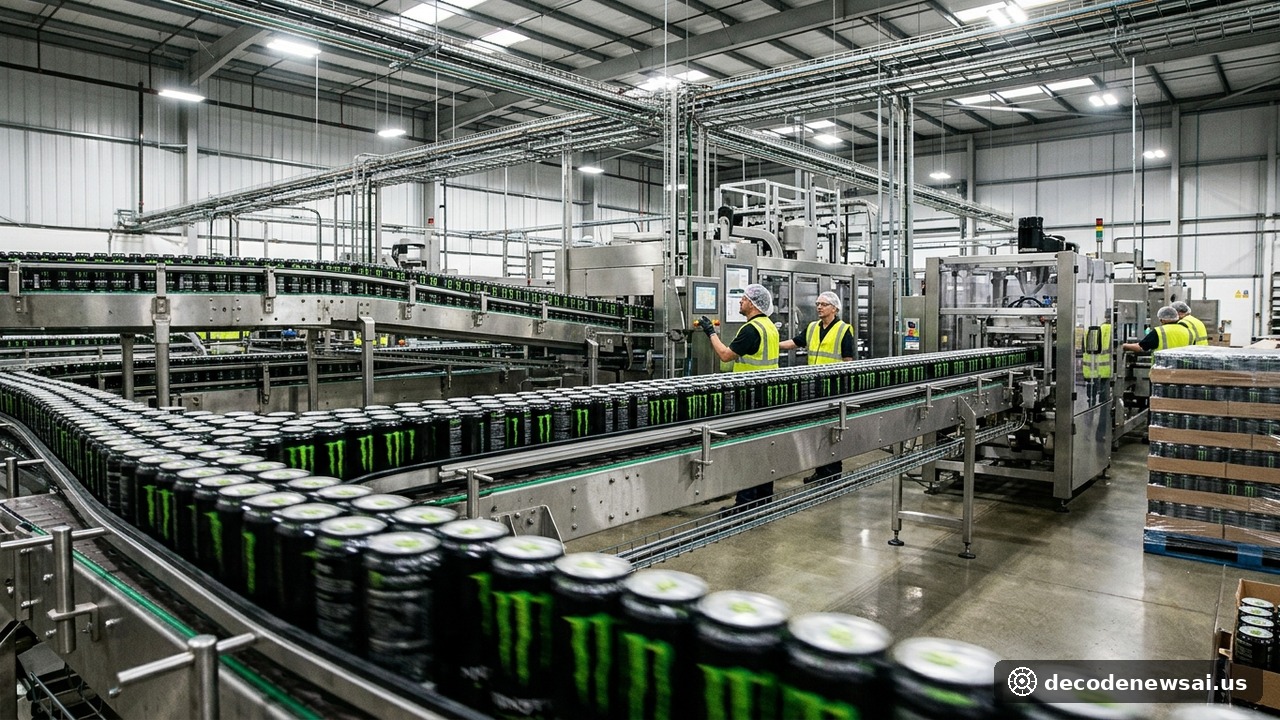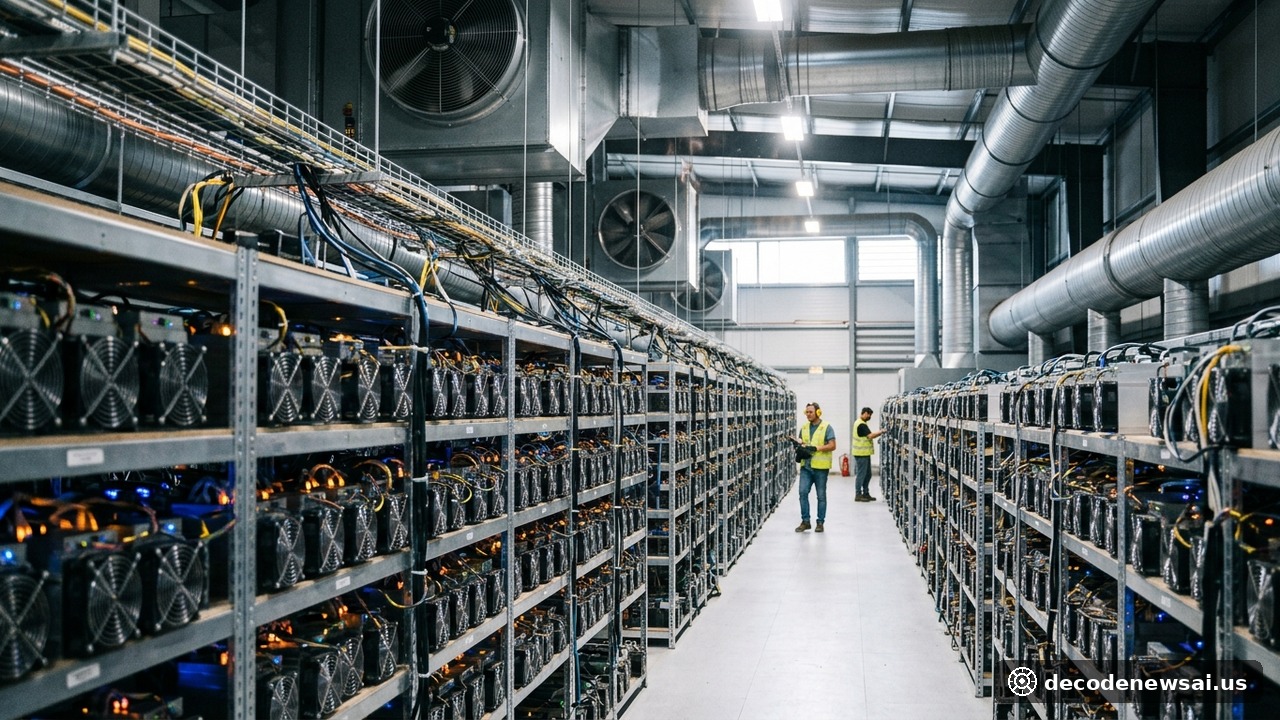
Bitcoin mining difficulty has remained below its all-time high for more than a full calendar year, marking the longest stretch without a record-breaking adjustment in the network's history. According to on-chain tracking data from Mempool.space and leading mining analytics platforms, Bitcoin network difficulty stood at approximately 148.36 trillion (148.36T) as of November 8, 2026. This reading sits roughly 4.88% to 5% below the historic peak of 155.97 trillion established at block height 921,312 on October 29, 2025. With the recordless run now extending across 374 consecutive days, the network has officially surpassed its previous 364-day record set between 2011 and 2012, highlighting profound structural shifts across the economics of proof-of-work computing.
Prior records fell in 253 and 364 days
Network Difficulty Stalls for 374 Days to Eclipse Historical Precedents
The Bitcoin protocol recalibrates mining difficulty automatically every 2,016 blocks—roughly every two weeks—to ensure that block discovery times remain anchored near the ten-minute target. When miners deploy incremental computing power and blocks arrive faster, difficulty rises; conversely, when unprofitable rigs are disconnected and blocks slow down, difficulty adjusts downward. Historical data shows that Bitcoin's prior longest period without establishing a difficulty record spanned from August 1, 2011, to July 30, 2012, lasting roughly 364 days. However, that early consolidation was accompanied by a catastrophic 94% to 95% collapse in Bitcoin's spot market price.
Similarly, when China enacted an outright domestic ban on cryptocurrency mining on May 13, 2021, a massive fraction of global hash power was forced offline and relocated overseas. Yet even under that severe geopolitical disruption, the network required just 253 days to recover and print a new difficulty peak on January 21, 2022. By contrast, the current 374-day consolidation has unfolded while spot Bitcoin trades steadily between $75,577 and $76,000. Although the network posted back-to-back difficulty gains of 5.92% on October 16 and 5.54% on October 29 to reach 148.36T, it failed to break the 155.97T barrier. Furthermore, Mempool.space forecasting models estimate an upcoming downward adjustment of approximately 3.7% around November 13, extending the wait for a new high even further into the future.
Halving requires 19% annual Bitcoin appreciation
Halving Subsidy Dilution Compels 19% Annualized Bitcoin Appreciation
The fundamental driver behind the plateau in global hashrate expansion is the mathematical compression of block subsidy economics following the April 2024 halving, which reduced block emissions to 3.125 BTC. Economist and author Saifedean Ammous noted that the prolonged stagnation stems from structural capital discipline rather than an isolated external shock, stating: "A 95% price drawdown in 2011 & the China mining ban weren't as bad. It's a new world for bitcoin mining." According to calculations by Ammous, baseline mining economics require the price of Bitcoin to appreciate by nearly 19% annually over four years simply to offset the 50% reward reduction, even before factoring in fiat dollar devaluation and the competitive opportunity cost of alternative infrastructure investments.
When market pricing does not expand at that required trajectory, marginal operators quickly find themselves submerged in an operational stress zone. On June 14, 2026, at block 953,568, the network recorded a severe 10.09% downward difficulty revision—falling from 138.96T to 124.93T. This marked the 11th-largest negative difficulty adjustment in Bitcoin history and the second-largest drawdown of 2026, surpassed only by the 11.16% weather-induced drop in February. During that June retreat, the adjustment epoch stretched to 15.6 days against the 14-day protocol baseline, confirming that substantial unprofitable hardware had been powered off. With network hashprice fluctuating near $33.4 per petahash per second per day (PH/s/day), mining operations are operating close to cash breakeven thresholds.
Core Scientific exits mining as Riot sells $750 million
Capital Reallocation Toward AI and Miner Treasury Liquidation
Confronted with tightening margins, publicly traded Bitcoin mining corporations are fundamentally redirecting their capital expenditure (capex) budgets toward high-performance computing (HPC) and artificial intelligence hosting facilities. Core Scientific provides a defining illustration of this corporate migration. The company recently confirmed comprehensive plans to fully exit Bitcoin mining operations by the end of 2026, entering 2027 exclusively as a dedicated AI and HPC colocation infrastructure provider. Core Scientific has already slashed its active mining rig fleet by almost half to reallocate critical electrical capacity and energization contracts toward enterprise data center clients. Demonstrating the financial incentives behind this pivot, its third-quarter colocation revenue surged 58% quarter-over-quarter to $215.4 million, up sharply from $15 million recorded in the prior-year period.
Simultaneously, listed mining entities have accelerated direct liquidations of balance-sheet cryptocurrency reserves to fund data center retrofits. Recent financial disclosures show that Riot Platforms sold $750 million in Bitcoin, Hut 8 liquidated $250 million in digital assets, and Keel Infrastructure divested its entire $192 million treasury reserve. Peers such as TeraWulf and IREN have likewise scaled up commitments to AI colocation. Although seven-day smoothed network hashrate rebounded above 1 ZH/s (10^21 hashes per second) to 1.02 ZH/s in late October after nearly eight months below that benchmark, it remains below the 30-day peak of 1.22 ZH/s. Rather than reinvesting cash flow into newer ASIC hardware, operators are systematically revaluing energy contracts, cementing an unprecedented paradigm shift where computing capital prioritizes contractual cloud colocation over proof-of-work hash growth.