Ukrainian national energy authorities reported severe Russian missile and drone bombardments targeting Dnipropetrovsk Oblast on Sunday morning. Coordinated strikes damaged key facilities, leaving more than 600,000 residents without electricity across the metropolitan district. High-voltage switching yards and transmission links sustained structural destruction. Power grid restoration remains extremely challenging. Regional administrative departments immediately activated maximum emergency resilience protocols.
Dnipro transit halts as Ukrenergo sends 30 brigades
Urban transit operations and municipal services suffered widespread paralysis across Dnipro. Trams and electric trolleybuses halted operations across primary transit arteries. Water pumping stations transferred pump lines to emergency diesel generators to maintain pressure. Regional medical centers switched smoothly to isolated generator microgrids. City traffic stopped completely. Public administrative structures encountered unprecedented operational strain.
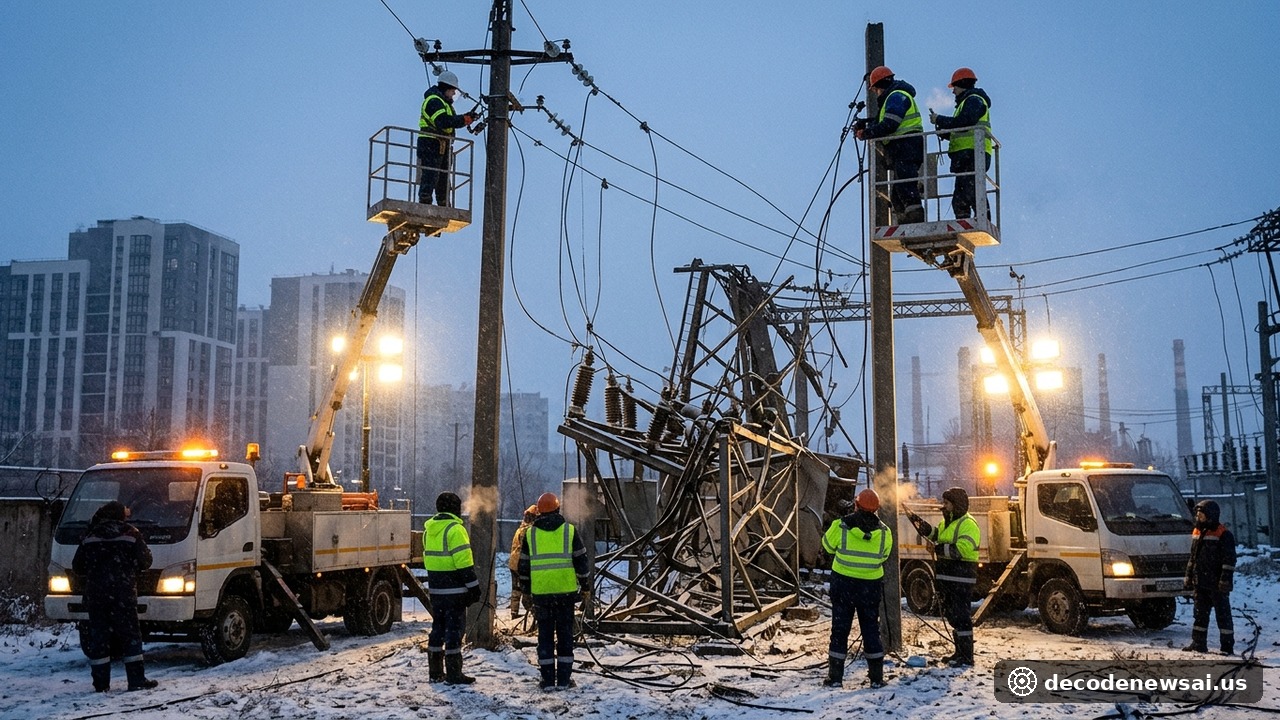
Sub-zero winter temperatures severely complicated emergency restoration procedures on the ground. Nighttime ground temperatures dropped well below freezing across the district. National electricity operator Ukrenergo mobilized 30 specialized engineering brigades to the damaged sites. Linemen worked in rotations through the freezing night to repair severed high-voltage lines. Comprehensive grid restoration will take several days. Emergency repair teams are working continuously around the clock.
The neighboring Zaporizhzhia Nuclear Power Plant experienced another external power disconnection during the attacks. The vital 330-kilovolt Ferosplavna-1 backup transmission line disconnected unexpectedly at 2:36 am. The incident marked the sixteenth complete loss of off-site electrical power at the nuclear station since 2022. Nuclear safety systems sounded urgent alerts. On-site emergency diesel generators supplied critical power to core cooling circuits.
Zaporizhzhia plant loses 330-kilovolt line at 2:36 am
Ukrainian executive leadership addressed the severe strategic implications of the targeting campaign. President Volodymyr Zelenskyy stated in a national broadcast: "Moscow is attempting to break the will of our civilians behind the front lines before peace talks begin, and we must defend our energy grid." Military conditions remain fluid and challenging. Defense ministries called upon industrial enterprises to minimize power usage.
Air defense command headquarters published verified operational interception figures from the engagement. Regional radar units recorded an interception success rate of approximately 88 percent across targeted sectors. However, several high-velocity cruise missiles penetrated layered low-altitude interceptor defenses. Defense officials warned that surface-to-air missile stockpiles were reaching critical depletion levels. Defensive duties remain arduous. Ukrainian authorities submitted emergency requests for additional western interceptors.
Industrial manufacturing facilities across the Dnipro river basin suspended automated production shifts. Heavy metallurgical smelting operations reduced electric furnace loads to prevent catastrophic transformer failures. Regional chemical manufacturing plants opened emergency pressure release valves to safely vent flammable gases. Over 2,000 industrial shift workers evacuated production lines without recorded injuries. Factory operations suffered immense financial losses. Commercial electricity allocations will remain strictly curtailed throughout the coming week.
Zelenskyy says Moscow targets grid before peace talks
High-voltage grid engineering specialists conducted detailed technical inspections of damaged infrastructure. Multiple transmission hubs were physically isolated from the national synchronized grid. Cross-regional electricity routing corridors suffered structural breaks requiring modular bypass routing. Emergency utility crews deployed specialized mobile substation trailers to restore local feeder loops. Resource allocation remains critically strained. Municipal utility providers instituted four-hour rolling blackouts for residential neighborhoods.
Municipal government agencies established 50 emergency civilian heating stations across urban districts. Neighborhood shelters provided clean drinking water, hot rations, and satellite communication terminals. Community civic volunteers distributed thermal blankets and warm clothes to vulnerable residents. Long lines formed outside neighborhood stations. Citizens gathered inside shelters to recharge portable batteries and emergency lights.
International energy support packages accelerated equipment logistics toward Ukrainian border crossings. The European Union coordinated expedited deliveries of high-capacity electrical transformers from regional reserves. Power transmission operators in neighboring allied countries scheduled expanded electricity export capacities starting Monday morning. Allied partners worked in concert. Ukrainian authorities expressed determination to restore basic utility stability within several days.
Dnipro plants halt shifts as 2,000 workers evacuate
Telecommunications network towers sustained widespread service disruptions throughout the affected municipalities. Mobile network operators deployed mobile generator trucks to maintain cellular transmission across central districts. First responder communication lines received absolute priority for emergency power. Cellular coverage gradually stabilized across metropolitan corridors. Field engineers erected microwave relay links in sub-zero winds. Connectivity improved steadily.
Energy sector analysts noted that decentralized renewable microgrids will prove crucial for wartime resilience. Distributed rooftop solar arrays and modular battery systems are accelerating across municipal community centers. The United Nations Development Programme prepared additional emergency capital allocations to procure industrial generator hardware. Neighborhood volunteer networks organized mutual aid distribution without delay. Ukrainian society continues to demonstrate extraordinary resilience in the face of harsh winter conditions. Mutual solidarity sustains communities.