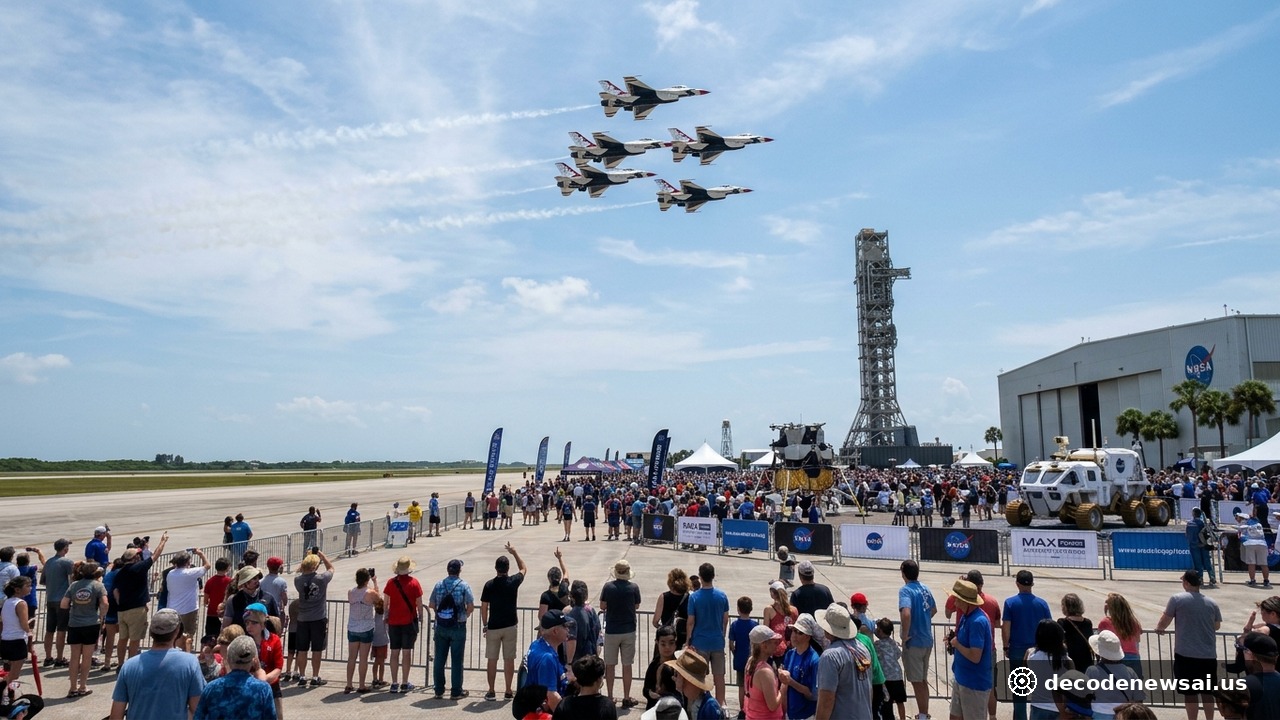
The National Aeronautics and Space Administration and the United States Air Force hosted the MAX POWER Aerospace Festival on November 7 and 8. The public exhibition took place at the historic Shuttle Landing Facility located within NASA's Kennedy Space Center in Florida. More than forty-five thousand spectators and aerospace researchers attended the two-day event. The Air Force Thunderbirds demonstration team performed high-precision aerial maneuvers. Lunar exploration initiatives received widespread acclaim. The exhibition displayed core technologies engineered for the Artemis lunar program.
Artemis III Hardware and Thunderbirds Flyovers
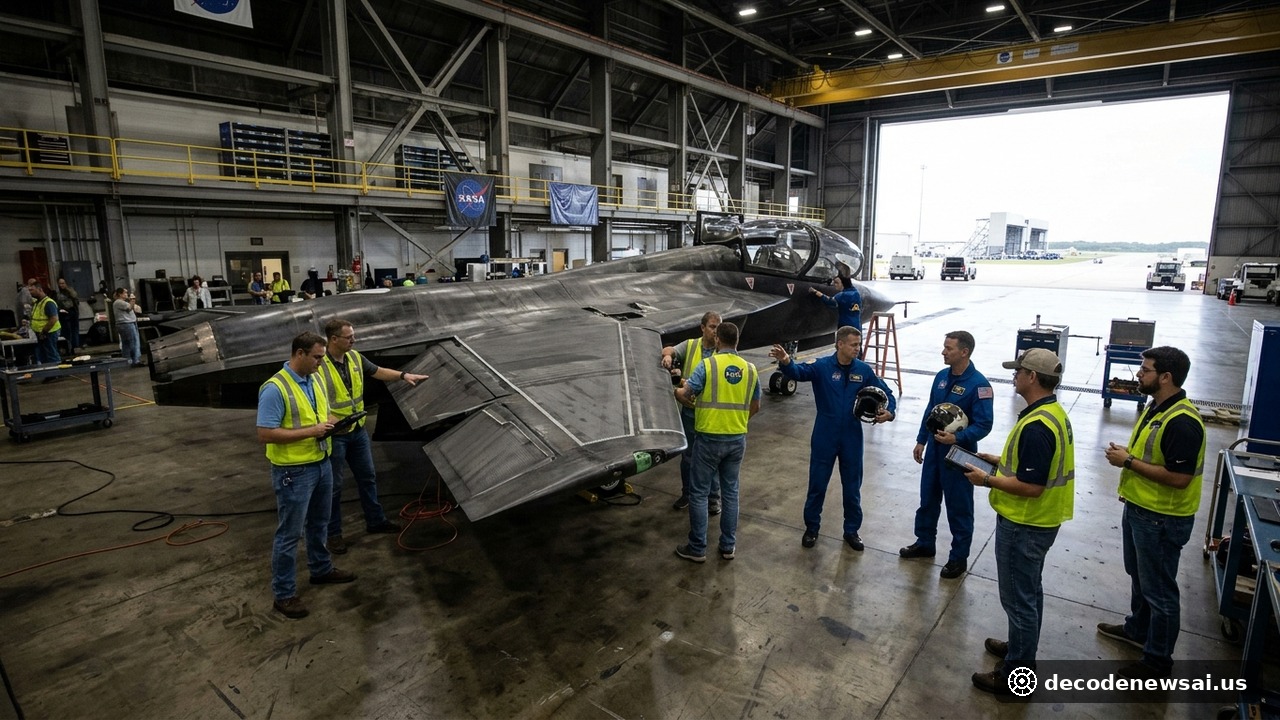
Throughout the festival weekend, NASA unveiled operational flight hardware engineered for the upcoming Artemis III crewed lunar landing mission. Next-generation lightweight extravehicular exploration suits were exhibited adjacent to Orion spacecraft launch abort system models. Technical explanations engaged public visitors. Attendees observed advanced carbon-fiber composite materials designed to withstand cryogenic thermal extremes across the lunar South Pole.
The event operations director at Kennedy Space Center stated during his keynote address: "The MAX POWER festival demonstrates humanity's collective dedication to pushing scientific frontiers. Presenting real lunar exploration hardware directly to the public inspires rising generations of scientists and engineers to pursue deep space exploration careers."
The United States Air Force Thunderbirds demonstration squadron operated six F-16 Fighting Falcons during low-altitude tactical flyovers above the spaceport. Jet engine roar energized attending crowds. Aviation engineering exhibits generated sustained enthusiasm. Aerial performance sequences complemented static space exploration displays, reflecting deep collaboration between military aviation and commercial aerospace sectors.
Apollo Tours and Lunar Technology Prototypes
The festival featured guided motorcoach tours through the historic Apollo Saturn V launch facilities. Visitors accompanied veteran aerospace flight engineers to study historical launch infrastructure from early lunar exploration eras. Public engagement proved exceptionally high. Parents and students operated interactive docking simulators to experience manual rendezvous procedures with the International Space Station.
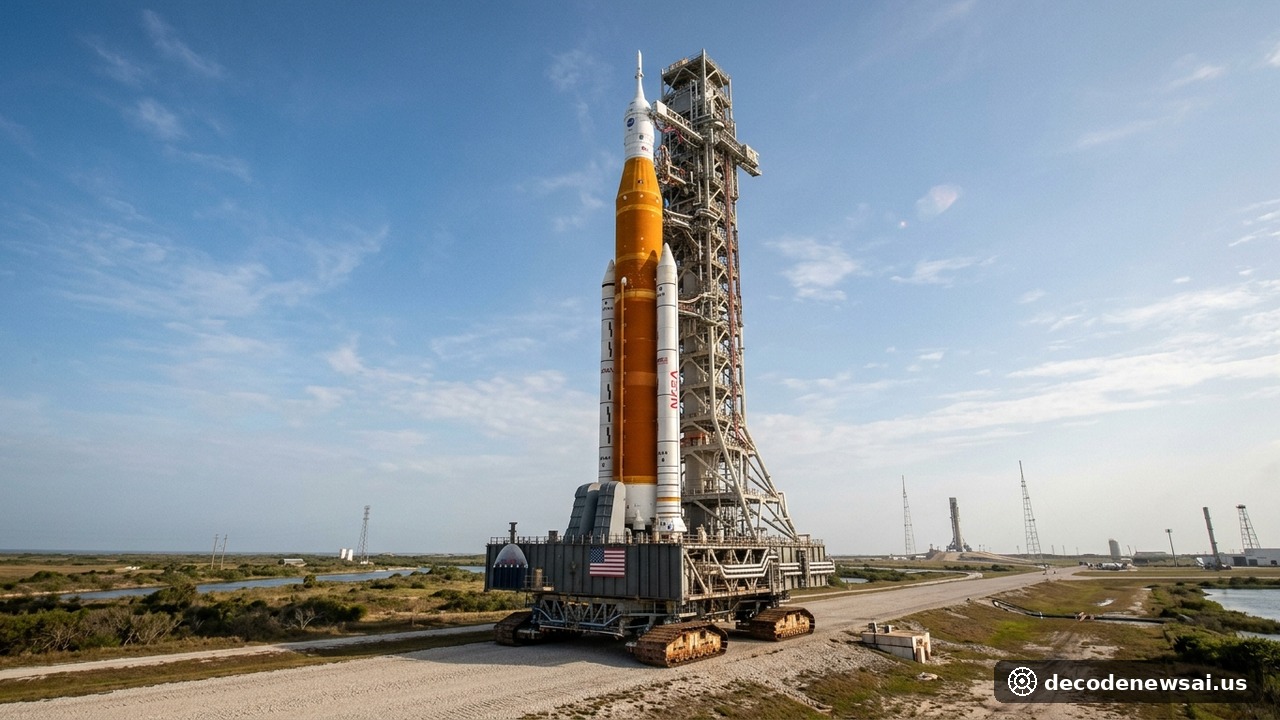
Aerospace policy analysts noted that the Artemis lunar exploration campaign is transitioning from uncrewed orbital qualification flights to crewed surface landing operations. Deep integration of commercial space launch contractors substantially lowered per-mission orbital delivery expenses while imposing stringent quality-assurance demands. Lunar launch timetables require diligent management. Sustaining broad public enthusiasm provides vital support for federal deep-space scientific appropriations.
Commercial space technology startups displayed experimental in-situ resource utilization prototypes throughout the exhibition halls. Showcased technologies included thermal reactor vessels designed to extract breathable oxygen from lunar regolith and compact spaceborne radioisotope thermoelectric generators. Novel engineering solutions were widely discussed. The prototypes demonstrated viable technological baselines for constructing permanent research habitats on the lunar surface.
Apollo Veterans and Space Coast Economic Growth
Veteran Apollo astronauts joined flight engineers for panel retrospectives during the festival symposium. Senior aerospace veterans commended next-generation environmental life support advancements integrated into modern Orion crew modules. Intergenerational collaboration inspires ongoing space initiatives. The historical continuity provides enduring motivation for Artemis engineering teams as exploration preparations intensify across launch sites.
Municipal economic development councils surrounding Cape Canaveral reported substantial hospitality growth driven by the aerospace event. Hotel occupancy across the Florida Space Coast surpassed ninety-five percent over the festival weekend. Aerospace public engagement stimulates regional economic growth. Tourism officials confirmed continued municipal support for annual public spaceflight exhibitions at the space center.
Public science educators and aerospace engineers emphasized that hands-on community engagement programs inspire students to pursue advanced technical disciplines. Demonstrating operational lunar exploration hardware bridges theoretical classroom learning with real-world scientific achievement, building the future workforce needed for deep space exploration.
Kennedy Space Center Resumes Artemis Preparations
NASA ground operations personnel confirmed that Kennedy Space Center facilities will promptly resume active Artemis mission preparations following the conclusion of the public festival. Engineering teams within the Neil Armstrong Operations and Checkout Building will conduct structural leak checks on lunar lander test articles. Critical project milestones remain on schedule. The coordinated international journey to land astronauts on the Moon and prepare for Mars continues with steady momentum. NASA education divisions confirmed that community aerospace programs will expand across regional spaceflight centers to engage the next generation of engineers.