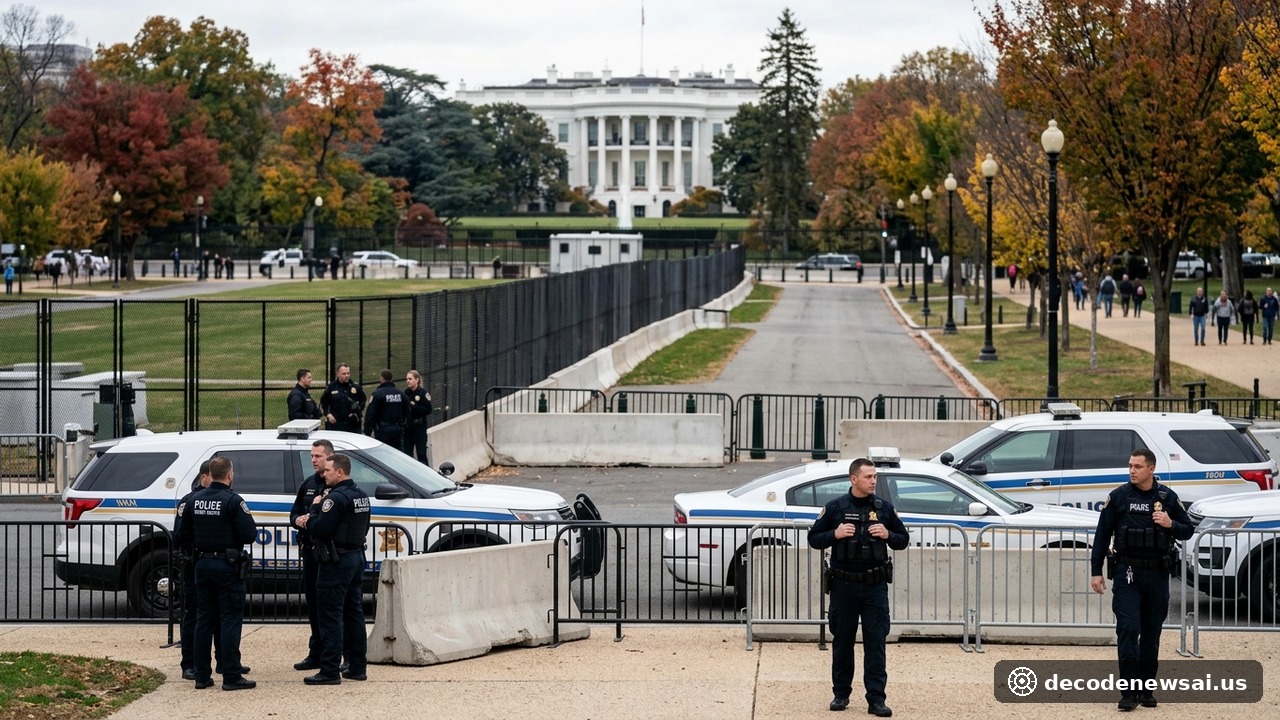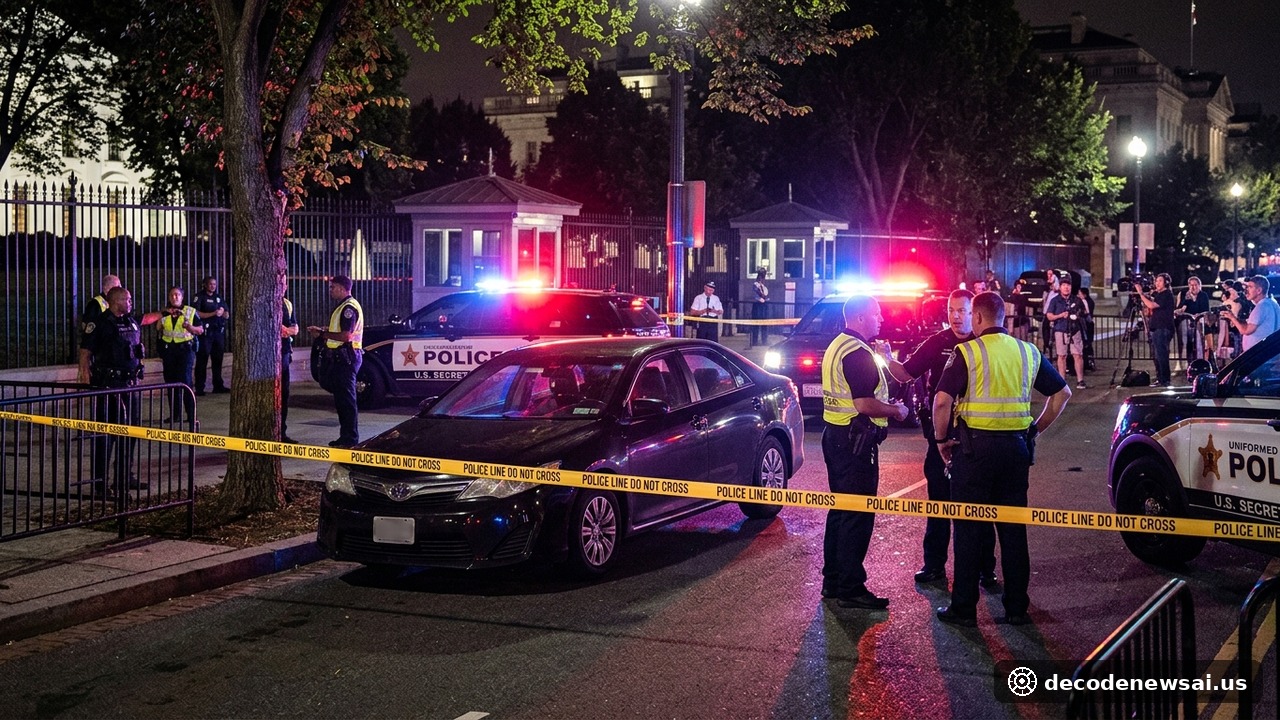
United States Secret Service officers arrested an armed individual near the White House complex along Constitution Avenue. They found multiple firearms in a stolen vehicle. Officers seized three weapons, including an AR-15-style rifle and two handguns. They also seized dozens of rounds of live ammunition.
Authorities identified the suspect as 26-year-old Ronny Yordrix Guanipa Chrinos. He is an unauthorized migrant from Venezuela.
Patrol Officers Uncover Arsenal Inside Suspicious Stolen Vehicle
The confrontation occurred on Thursday evening. Secret Service uniformed division officers observed a vehicle parked suspiciously near the federal perimeter. Officers approached the car to question the occupant. They noticed agitated and erratic behavior from the driver.
During initial questioning, the suspect made spontaneous declarations. He said auditory hallucinations instructed him to drive to the nation's capital. He said the voices told him to assassinate President Donald Trump. A subsequent license plate inquiry revealed the automobile had been officially reported stolen in another jurisdiction.
A physical inspection of the passenger compartment and trunk yielded a high-powered semi-automatic rifle. Officers also found two loaded handguns. They found several high-capacity magazines containing live ammunition. Officers detained Chrinos without physical resistance. They transferred him to secure holding facilities for extensive interrogation.
Federal Prosecutors Lodge Multi-Count Felony Indictment
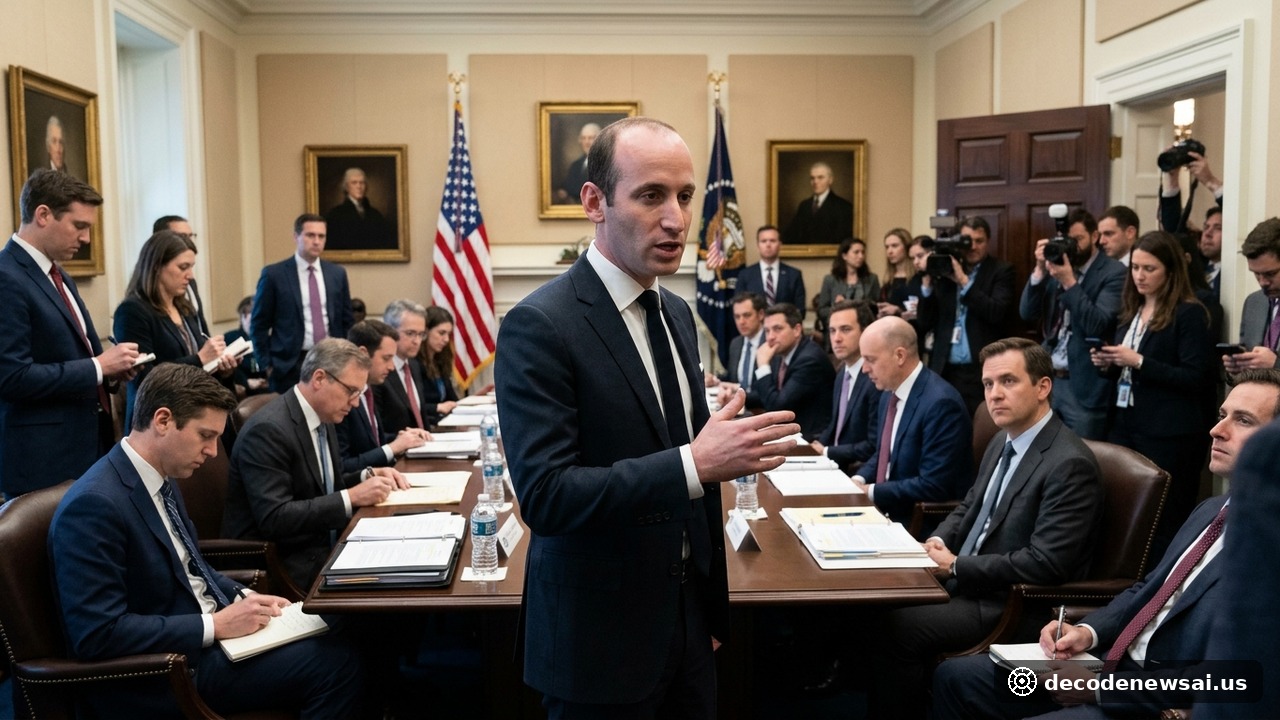
Secretary of Homeland Security Markwayne Mullin and Secret Service Director Sean Curran issued statements. They commended the tactical restraint of responding personnel. Chrinos was formally transferred to the custody of the United States Marshals Service. He awaits judicial proceedings in federal court.
Court documents were filed in the U.S. District Court for the District of Columbia. The documents charge the defendant with carrying a rifle outside a home or place of business. They charge multiple counts of unlawful transportation of firearms. They charge possessing unregistered firearms and ammunition. They charge receiving stolen property.
Official immigration records show Chrinos entered the United States in March 2024. He crossed the southern border in Texas. Department of Homeland Security files indicate border authorities processed and released the individual. He was released pending civil deportation hearings.
Federal prosecutors filed urgent motions requesting permanent pretrial detention. They argued the combination of mental instability, lethal weapons possession, and declared violent intent represents an unacceptable danger to the community.
Security Protocols Fortified Throughout Washington Defense Perimeter
Secret Service Director Sean Curran emphasized the rapid resolution of the incident. He said it highlights the heightened threat environment confronting federal protection details. Federal officials have observed a measurable rise in encounters near executive facilities. These encounters involve individuals experiencing acute psychological distress.
Curran explained that national landmarks and executive leadership often serve as symbolic focal points. Disoriented individuals experiencing paranoid delusions are drawn to them. The Secret Service has reinforced surveillance protocols. It has deployed additional canine detection teams. It has increased stationary patrols across thoroughfares flanking the White House perimeter.
Federal investigators are reviewing the suspect's communications, travel itinerary, and financial transactions. They want to determine how he obtained the weapons and vehicle. Interagency partners are examining whether external actors assisted in coordinating the suspect's transit across state borders.
Legislative Scrutiny and Upcoming Judicial Milestones
Congressional leaders responded to the arrest with renewed debate. The debate concerns executive protection funding and border enforcement vetting. Conservative lawmakers called on the Department of Justice to conduct an exhaustive review of border processing procedures. They questioned how an individual with reported psychological instability acquired multiple firearms.
Democratic representatives underscored the necessity of robust federal mental health intervention networks. They also called for rigorous background checks. They said these measures would prevent dangerous weapons from reaching vulnerable individuals. White House officials declined substantive comment. They deferred all operational questions to Homeland Security and Secret Service leadership.
The federal magistrate judge in Washington scheduled a formal detention hearing for November 10, 2026. A federal grand jury is expected to review prosecutorial evidence. It is expected to issue formal indictments within the standard 30-day statutory window.