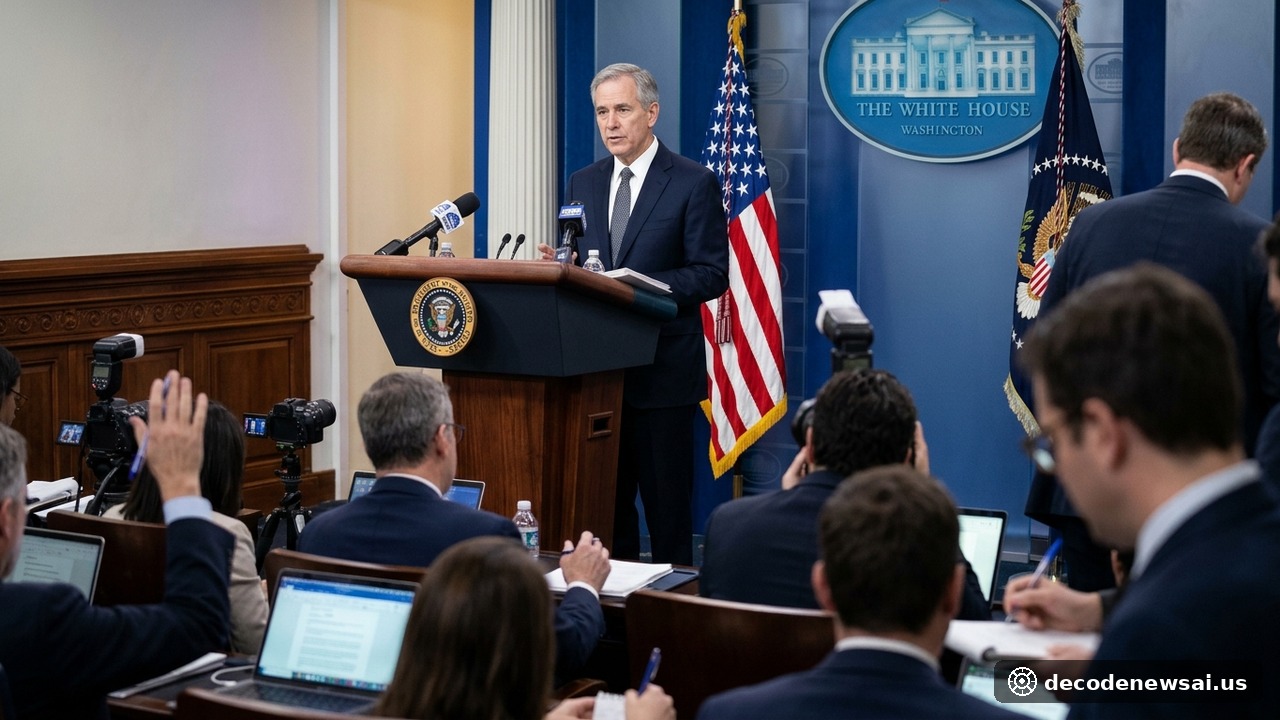
The Office of the Comptroller of the Currency (OCC) formally released comprehensive supervisory guidance on November 6, 2026, directing national bank examiners on evaluating artificial intelligence and autonomous systems deployed across federally chartered banks. The regulatory bulletin explicitly instructs examiners not to classify artificial intelligence as a separate standalone risk category, clarifying that institutions should not define distinct risk appetite metrics solely for machine learning models. Instead, the framework mandates strict operational internal controls to prevent unauthorized actions by autonomous AI agents, requiring designated executive officers to maintain personal compliance accountability.
OCC Supervisory Examination Dimensions for Super Intelligence and Autonomous Systems
- AI Risk Categorization & Appetite Metric: Integrated into Existing Risk Management Silos
- Autonomous Agent Authority & Safeguards: Hard Transaction Limits; Prevention of Unauthorized Acts
- Technical Resilience & Failover Redundancy: Sub-Second Circuit Breakers; 2-Hour Recovery Mandate
- Senior Executive Governance & Accountability: Named Executive Officer Legally Accountable for Misbehavior
- Scope of Examination & Covered Institutions: All Federally Chartered Commercial Banking Groups
Rejecting Standalone Risk Silos to Enforce Comprehensive Operational Responsibility
In its formal policy release, the OCC outlined why artificial intelligence should not be isolated as a unique risk category.
Regulators determined that segregating artificial intelligence into a distinct compliance category encourages organizational fragmentation and diffuses management accountability. Errors in algorithmic credit underwriting constitute credit risk, algorithmic trading execution faults fall under market and operational risk, and data manipulation constitutes cybersecurity risk. If banks establish separate artificial intelligence compliance units, traditional business division heads may neglect foundational oversight. Consequently, the OCC instructed field examiners to evaluate machine learning models directly within existing risk governance frameworks, prohibiting boards of directors from citing algorithmic complexity as a legal defense for non-compliance.
Guardrails Restricting Agentic Financial Execution Across Capital Markets
Addressing the deployment of autonomous agentic systems capable of executing multi-step workflows, the OCC established strict operational boundaries.
As enterprise language models advance from passive text generation to autonomous tools that execute liquidity transfers and collateral substitutions, institutions have explored utilizing agents for automated foreign exchange hedging and interbank settlements. In response, the OCC mandated rigid controls ensuring autonomous agents operate solely within verified counterparty directories and pre-authorized balance sheet exposure limits. Every automated asset transfer or credit modification must generate tamper-resistant decision logs. Should an agent's telemetry indicate anomalous execution pathways, systems must deploy automated circuit breakers to suspend execution and alert human operators.
Establishing Personal Executive Liability to Deter Unchecked Algorithm Scaling
The central regulatory impact of the guidance lies in eliminating theoretical shields that distance bank leadership from algorithmic outcomes.
The Bank Policy Institute noted in an analysis that the OCC requires each covered institution to assign a C-suite executive to assume formal legal accountability for algorithmic systems. Leadership cannot shift legal liability to external foundation model providers or third-party software vendors. In consumer lending, the guidance mandates that institutions using algorithmic decision engines provide granular, legally compliant adverse action explanations to applicants within three business days of loan denial. Following the release of the guidance, national commercial banks have initiated internal compliance audits to calibrate autonomous software agent thresholds. Financial technology policy analysts observe that the supervisory guidance establishes a structured template for upcoming federal interagency AI evaluations. By institutionalizing personal leadership liability and technical circuit breakers, regulators ensure banking organizations deploy machine learning innovations responsibly while safeguarding depositor assets and market stability.
International industry observers and regulatory authorities will continue to monitor these developments closely as operational benchmarks and market conditions evolve over the coming quarterly financial and regulatory reporting cycles across global jurisdictions.