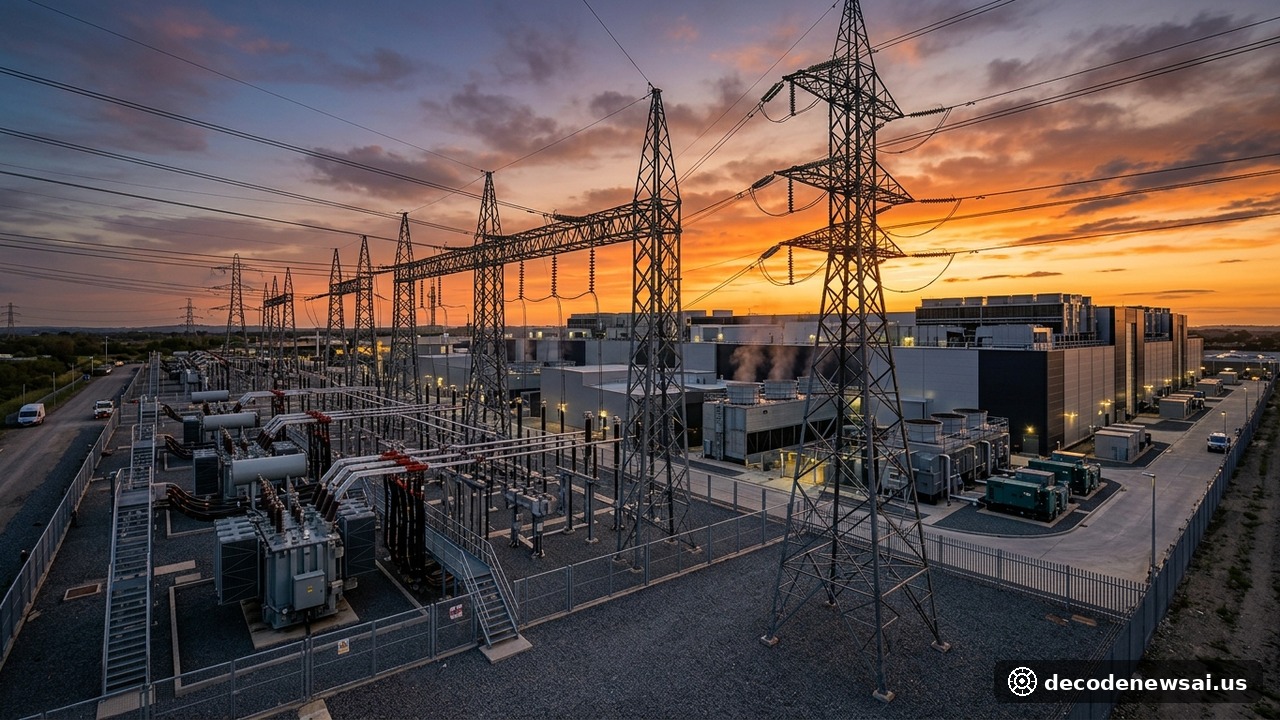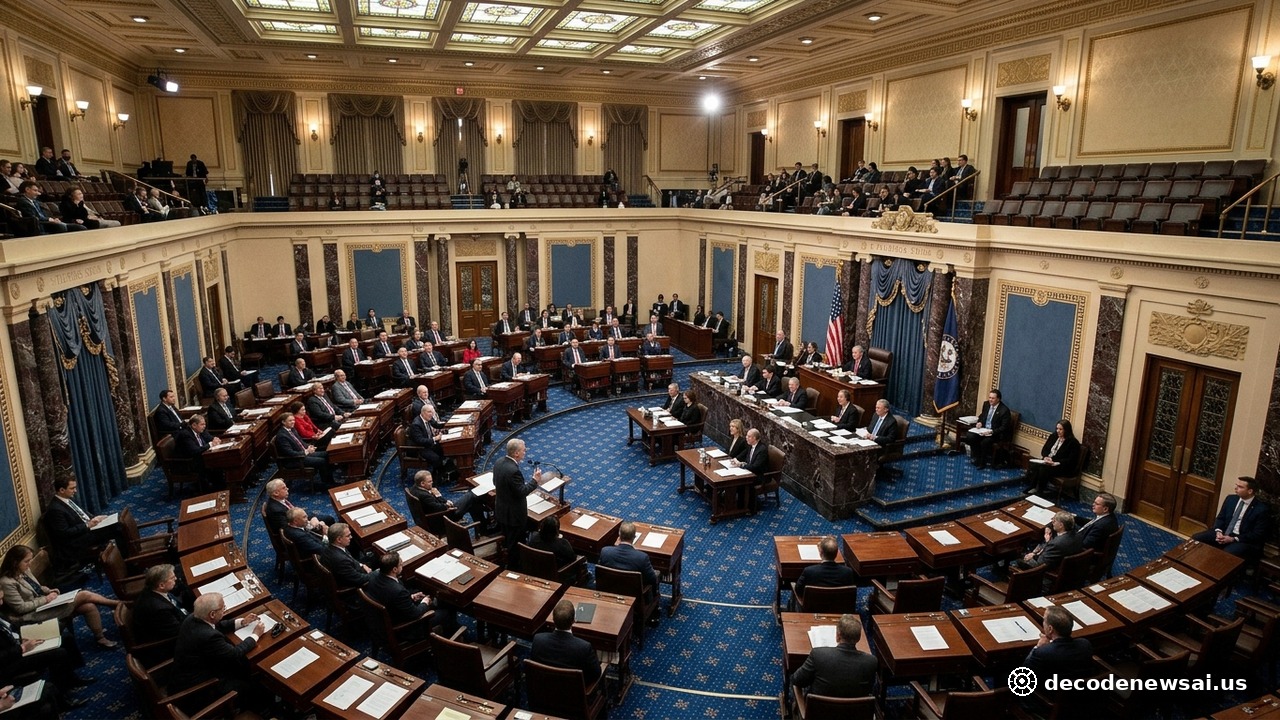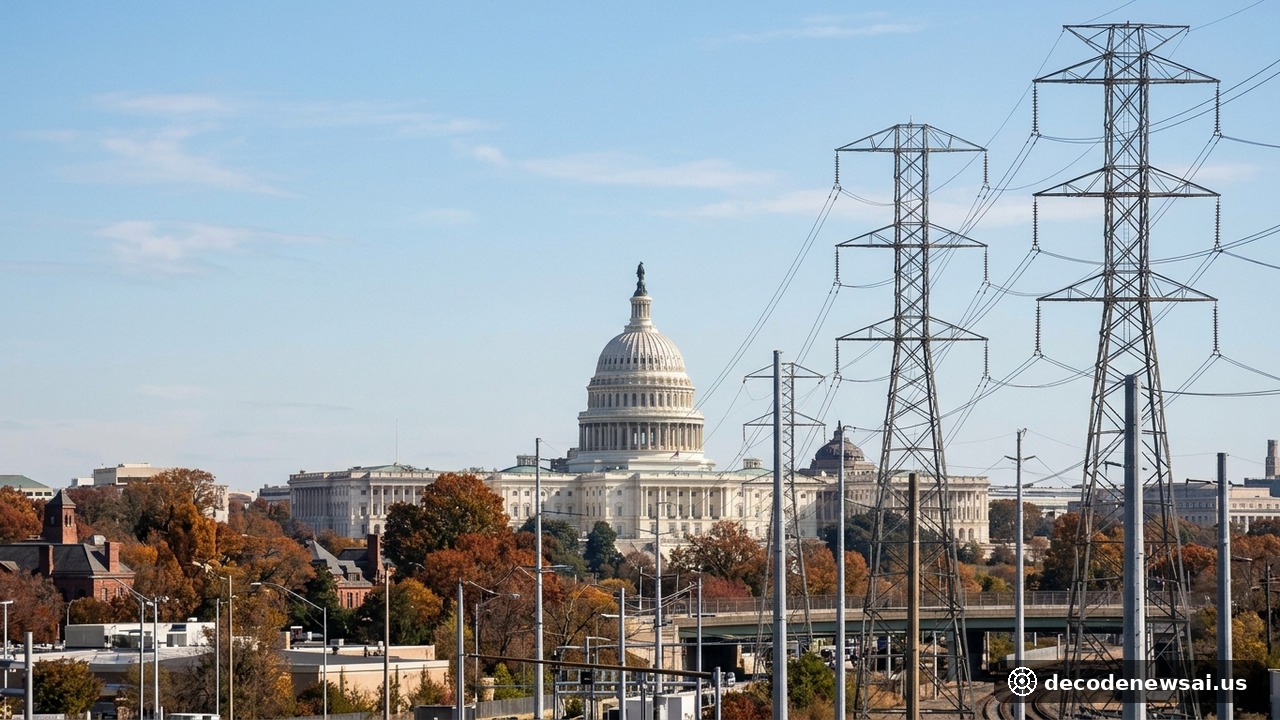
The United States Senate on Monday moved forward with procedural voting on major bipartisan energy permitting legislation. The measure aims to significantly shorten federal review timelines for power transmission lines and energy pipelines. It specifically mandates that newly constructed artificial intelligence data centers shoulder the full burden of added grid infrastructure expenses. Legislative momentum is accelerating across Capitol Hill. Lawmakers and industry leaders are scrutinizing every phase of the vote.
Compromise Plan Speeds Approvals for Clean Energy and Fossil Fuel Pipelines
The legislative package was drafted by Democratic Senator Sheldon Whitehouse of Rhode Island alongside key Republican leaders. Under its central provisions, the federal review window for both large clean energy and traditional fossil fuel infrastructure would be compressed from several years to under 24 months. Congressional staff estimates indicate that more than 500 major energy projects are currently stalled in lengthy bureaucratic backlogs across the nation. Grid capacity bottlenecks have become acute. Accelerating the approval pipeline has emerged as a top national priority.
A critical section of the legislation establishes strict cost allocation standards for hyperscale data center operators. Technology developers expanding high-capacity computing clusters will be legally barred from shifting substation construction costs onto ordinary residential ratepayers. That provision has resonated deeply with voters across multiple states. Lawmakers debated the statutory wording late into the evening. Grid stability remains a central operational challenge.
President Donald Trump took to social media over the weekend to publicly urge senators to approve the legislation without delay. He wrote: "BIG WIN for U.S. ENERGY INDEPENDENCE and DOMINANCE. This bill will ensure that we can build Pipelines, Mines, and Power Plants faster than ever before, lowering Energy Costs for American Families." The White House is pushing lawmakers to act swiftly. Factions within the Senate are engaged in fierce debate over the final compromise language.
Environmental Coalitions and Tribal Alliances Push Back on Regulatory Rollbacks
Dozens of leading national environmental organizations submitted joint letters to congressional leadership urging lawmakers to reject the compromise framework. Advocates argue that the bill undermines core protections established under the Endangered Species Act and the National Environmental Policy Act. The proposed statutory adjustments would narrow the legal window for frontline communities and tribal nations to challenge high-impact industrial projects. Opposition across civil society has grown vocal. Demonstration rallies gathered outside congressional office buildings on Monday.
Sara Amundson, president of the Humane World Action Fund, issued a strongly worded public rebuke regarding the scientific review standards. She stated: "This proposed rewrite of the 'best available science' standard could give agencies new grounds to unfairly dismiss credible research, including science showing that stronger protections are needed for species at risk." Lawmakers are facing heavy constituent scrutiny. Regulatory challenges are entering unchartered territory. Moderate lawmakers find themselves caught between competing imperatives.
Alliances representing regional tribal nations also voiced profound alarm over the compressed review cycles. Tribal leaders stressed that truncating public comment periods threatens sovereign lands, regional watersheds, and traditional cultural heritage sites. Carve-outs benefiting interstate natural gas pipeline developments drew sharp criticism from progressive senators. Several lawmakers confirmed they will vote against the measure. Legislative outcomes remain genuinely uncertain.
Lame-Duck Pressure Mounts as Congressional Power Dynamics Face Reshuffling
Monday's critical procedural vote marked the opening legislative session following the pivotal 2026 midterm elections. Ahead of the scheduled transfer of congressional control in January, party leaders are leveraging the remaining calendar days of the current term to finalize cross-party agreements. Negotiations have reached an intense stage. The operational timeline before adjournment is rapidly contracting.
Industrial labor organizations and commercial chambers across energy-producing states, including West Virginia and Texas, have strongly endorsed the package. Industry coalitions warned that failing to unblock grid interconnections before winter peak demand periods could severely hinder both domestic manufacturing expansions and advanced computing initiatives. Corporate advocacy campaigns have intensified. Financial markets are monitoring legislative developments closely.
Senate floor managers instructed members to remain on Capitol Hill as votes stretch into late evening sessions. If the initial procedural motion clears the necessary voting threshold, the chamber will proceed directly to floor debate and an up-or-down vote later this week. A successful Senate outcome would send the package directly to the House of Representatives before the Thanksgiving holiday recess. The statutory outcome carries significant long-term implications for the American economy.