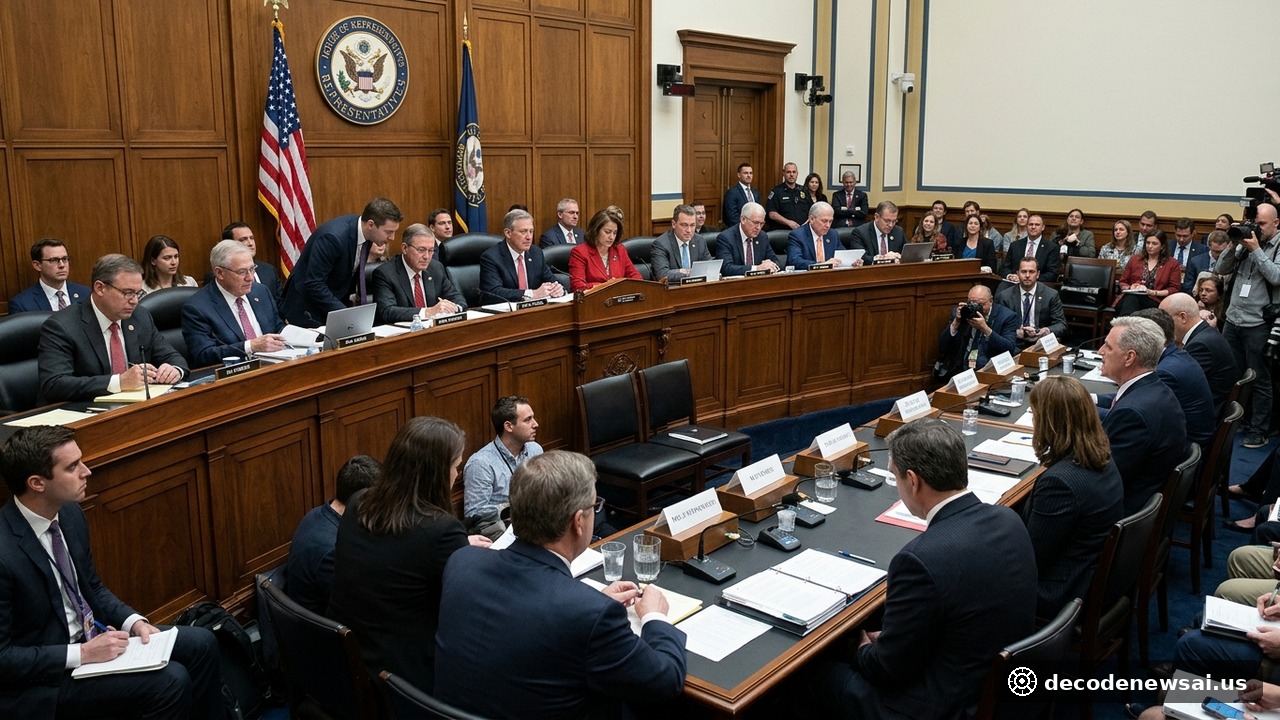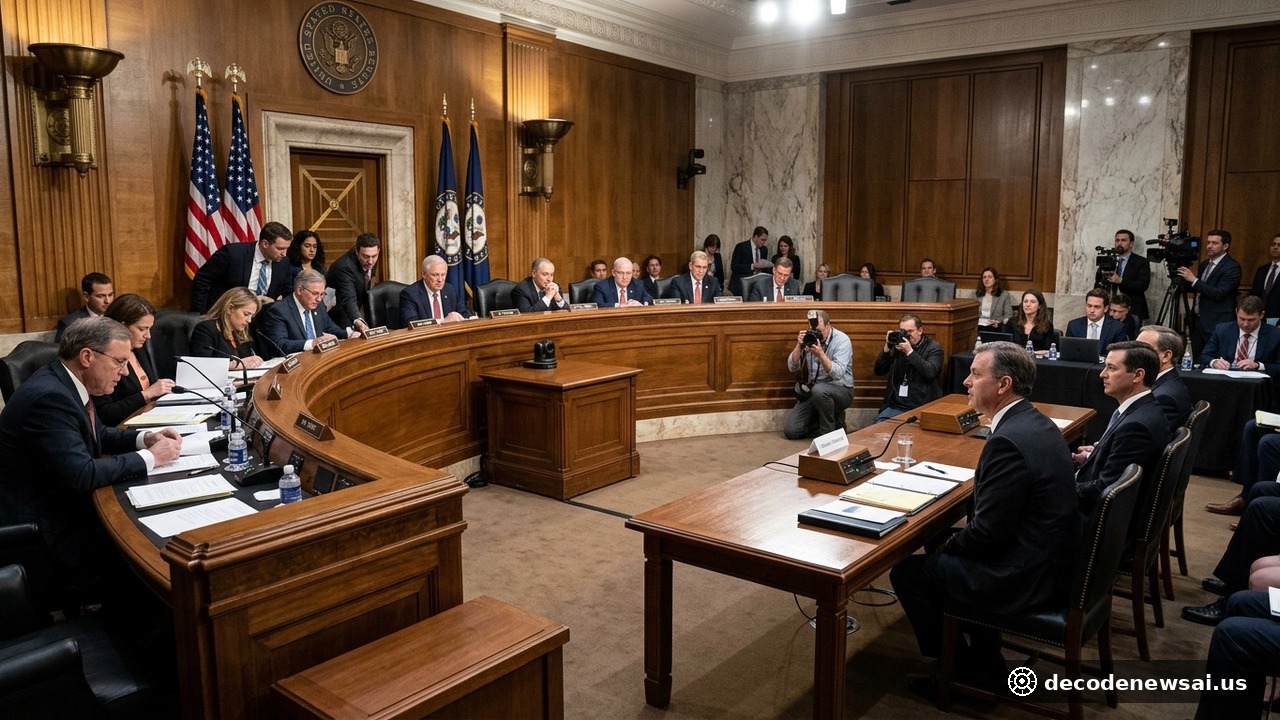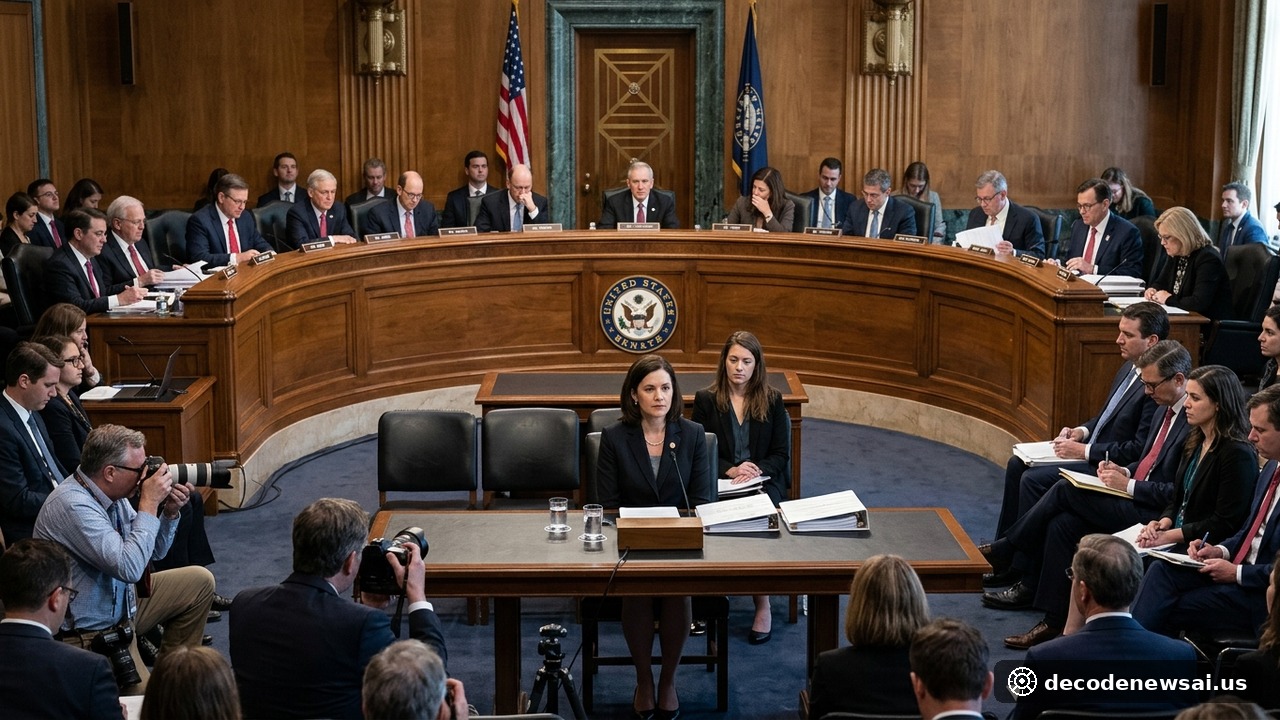
The United States Senate Committee on the Judiciary published its formal executive business schedule on November 8, setting a full committee nomination hearing for November 10. The hearing will take place at the Dirksen Senate Office Building in Room 562 to consider the executive nomination of Eschbach to serve as General Counsel of the Equal Employment Opportunity Commission. The confirmation hearing draws national attention. Bipartisan debate over workplace civil rights enforcement begins in earnest. The executive appointment carries major statutory implications. Congressional oversight remains highly active.
EEOC General Counsel Role and Confirmation Battle Lines
The Equal Employment Opportunity Commission holds principal statutory responsibility for investigating workplace discrimination and employment litigation across the United States. Its General Counsel directs independent agency litigation strategies and manages extensive prosecutorial discretion in federal district courts. The leadership post directly impacts tens of millions of private-sector workers. Ideological divisions remain pronounced. Following recent congressional midterm elections, filling the General Counsel role represents a primary battleground for federal administrative labor oversight.
In an official committee memorandum, the Senate Judiciary leadership outlined core constitutional review standards: "The General Counsel of the Equal Employment Opportunity Commission fulfills an indispensable statutory duty to maintain fairness and equal protection across American workplaces. The committee will conduct a rigorous, transparent confirmation inquiry to ensure the nominee upholds statutory civil rights mandates and preserves prosecutorial independence."
Hearing deliberations are expected to center upon emerging controversies surrounding automated algorithmic screening tools and contested corporate compliance mandates. Conservative senators urged the nominee to restrain federal regulatory overreach, arguing that burdensome investigations penalize employers navigating economic headwinds. Progressive lawmakers insisted upon aggressive enforcement against discriminatory automated hiring models. Competing policy visions clash directly. The confirmation hearing will feature pointed exchanges across administrative boundaries.
Lobbying Pressures and Written Questions for EEOC Nominee
Labor organizations and business advocacy coalitions expanded direct lobbying initiatives throughout Capitol Hill. The U.S. Chamber of Commerce emphasized that clear, predictable compliance frameworks are essential to shield commercial enterprises from speculative class-action litigation. Civil liberties organizations cautioned that regulatory rollback would leave vulnerable workers without meaningful legal recourse against systemic discrimination. Conflicting policy priorities intersect intensely. Lawmakers will question the nominee regarding concrete case enforcement priorities.
Constitutional and administrative law scholars noted that while EEOC commissioners maintain staggered bipartisan terms, the General Counsel exercises singular authority to file enforcement actions that establish binding judicial precedents. Prosecutorial authority remains immense. Congressional scrutiny over executive nominations demonstrates the legislative branch's constitutional mandate to police administrative boundaries. Thorough legislative oversight preserves constitutional checks and balances.
Congressional aides confirmed that following formal testimony, committee members will submit written questions for the record across a one-week deliberative window. If the nomination secures affirmative committee approval, the nomination will advance to the Senate floor for final confirmation votes. The legislative calendar proceeds methodically. The appointment will fundamentally shape the direction of federal employment litigation for years to come.
Eschbach Record and Algorithmic Hiring Enforcement Stakes
Senior congressional labor policy advisors noted that the nominee's judicial record reflects a measured pragmatic perspective on corporate compliance. Across past employment litigation involving gig-economy worker classification and remote workplace liabilities, Eschbach consistently prioritized contractual predictability and regulatory stability. Commercial trade federations commended the nominee's background. Civil rights organizations expressed caution regarding enforcement vigor. Legislative questioning will examine technical enforcement priorities.
Constitutional and workplace law scholars observed that the EEOC's administrative mandate is shifting toward systemic class-wide investigations into automated hiring models. With machine learning recruitment platforms proliferating across Fortune 500 corporations, the incoming General Counsel's technical competence will directly dictate enforcement outcomes. Regulatory modernization remains indispensable. Committee deliberations will establish binding regulatory benchmarks for corporate algorithmic human resource management.
Committee staff and witness delegations are finalizing prepared statements ahead of Tuesday's public convening. The Dirksen hearing room will accommodate substantial delegations from corporate and civil rights sectors. Transparent judicial governance remains essential to maintaining public confidence in executive administrative bodies. Stakeholders nationwide are monitoring the confirmation proceedings closely. Maintaining rigorous, independent oversight ensures federal agencies execute statutory mandates with unwavering integrity.