STARBASE, Texas - Commercial aerospace manufacturer SpaceX officially confirmed on Monday, November 9, that it has scheduled Starship Flight 15 for launch on Friday, November 13, opening an ambitious seventy-five-minute launch window at 5:45 p.m. EST from Pad 2 in Starbase, Texas. The test flight will feature the first attempted simultaneous aerial recovery of both vehicle stages.
Flight 15 targets first dual-stage aerial recovery
While SpaceX previously demonstrated mechanical capture of the Super Heavy booster stage during Flight 5, Flight 15 introduces an unprecedented technical operational profile. Following controlled orbital-velocity atmospheric reentry across the Gulf of Mexico, the upper Starship spacecraft will execute terminal landing maneuvers, targeting precise mechanical capture between the launch tower's robotic chopsticks.
The Vice President of Starship Launch Operations stated during an FAA technical flight review: "Attempting a dual-stage recovery represents the ultimate engineering milestone toward rapid full reusability, validating operational mechanics required for NASA's Artemis lunar exploration landers." Aerospace engineering specialists commended the flight architecture.
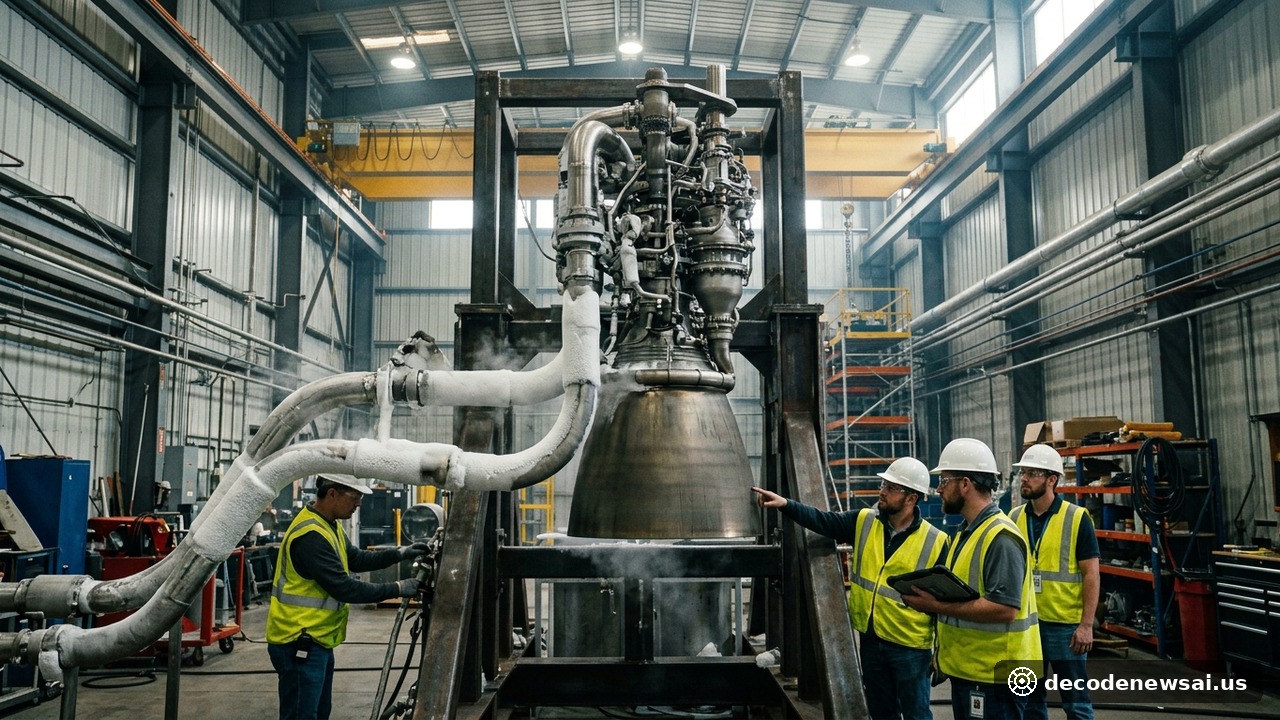
Engineering teams in Starbase concluded cryogenic proof testing and terminal avionics calibrations over the weekend. The Federal Aviation Administration coordinated maritime navigation warnings and temporary flight restrictions spanning the Gulf of Mexico. Achieving successful double-catch recovery would validate multi-flight launch economics for deep space exploration.
SpaceX logs 120th orbital mission with USSF-627
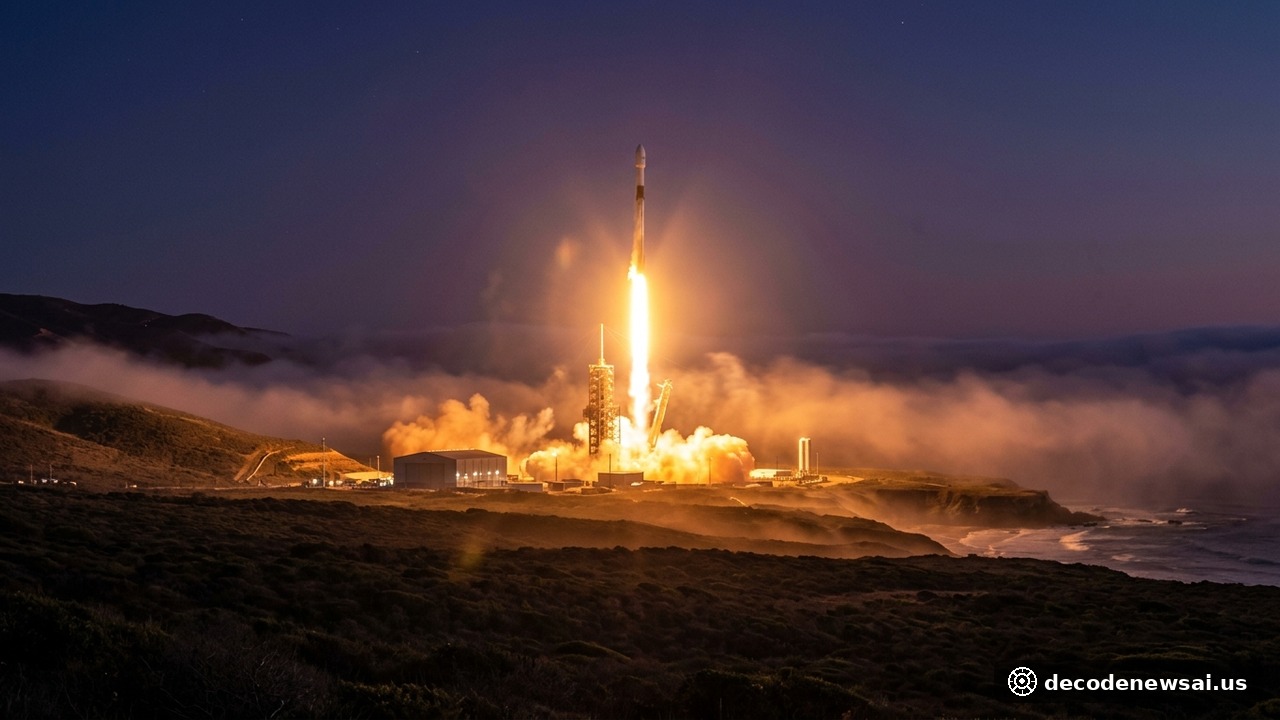
Underscoring operational launch cadence, SpaceX successfully executed its 120th orbital mission of the year on Monday evening from Space Launch Complex 4 East at Vandenberg Space Force Base in California, launching the classified USSF-627 national security payload aboard a Falcon 9 rocket into low Earth orbit.
Aerospace engineering analysts emphasized that attempting dual-stage vehicle recovery represents an audacious technological milestone that fundamentally transforms commercial space transportation economics. Achieving automated catch precision across both primary booster stages and orbital spacecraft eliminates expendable manufacturing overhead, bringing humanity closer to true aircraft-like operational frequency for deep space exploration missions.
Space policy scholars noted that rapid iteration across Starship test flights provides vital technical validation for NASA's Artemis lunar landing architectures. As commercial space operators demonstrate consistent super-heavy lift and recovery capabilities, commercial and government payloads benefit from unprecedented payload mass margins and reduced launch cost structures across international aerospace markets.
Starbase Pad 2 passes propellant system leak tests
Launch facility engineers at Starbase verified that Pad 2 ground deluge systems and high-pressure nitrogen propellant transfer lines passed rigorous full-pressure leak tests on Monday afternoon ahead of propellant loading.
Aerospace engineering analysts emphasized that attempting dual-stage vehicle recovery represents an audacious technological milestone that fundamentally transforms commercial space transportation economics. Achieving automated catch precision across both primary booster stages and orbital spacecraft eliminates expendable manufacturing overhead, bringing humanity closer to true aircraft-like operational frequency for deep space exploration missions.
Space policy scholars noted that rapid iteration across Starship test flights provides vital technical validation for NASA's Artemis lunar landing architectures. As commercial space operators demonstrate consistent super-heavy lift and recovery capabilities, commercial and government payloads benefit from unprecedented payload mass margins and reduced launch cost structures across international aerospace markets.
Starbase teams confirm avionics and safety readiness
Launch facility engineers at Starbase verified that Pad 2 ground deluge systems and high-pressure nitrogen propellant transfer lines passed rigorous full-pressure leak tests on Monday afternoon ahead of propellant loading. SpaceX tracking telemetry confirms that vehicle avionics systems are operating within nominal parameters for Friday's flight.
Aerospace mission managers affirmed that iterative flight testing under rigorous safety protocols accelerates commercial space transportation reliability. Validating full vehicle recovery capabilities provides transformative cost advantages for scientific exploration and commercial satellite deployments.
Spaceflight safety coordinators at Starbase emphasized that synchronized launch pad infrastructure ensures maximum operational safety during heavy-lift orbital testing operations. Flight dynamics engineers confirmed that automated guidance algorithms will continuously monitor thermal protection performance and aerodynamic trajectory data throughout descent. Commercial aerospace analysts underscored that demonstrating full reusable spacecraft recovery capabilities marks a historic breakthrough toward sustainable, high-frequency space transportation missions worldwide.