The Philippine Department of Migrant Workers and Department of Foreign Affairs confirmed on November 9, 2026, that a Filipino merchant mariner was killed following an aerial drone strike targeting a commercial container vessel in the southern Persian Gulf. Four additional Filipino maritime crew members sustained concussive injuries and shrapnel wounds during the maritime blast. President Ferdinand Marcos Jr. convened an emergency national security council session, directing immediate consular intervention and emergency repatriation protocols for overseas maritime personnel operating across high-risk corridors.
Marcos pledges compensation and safety for Filipino mariners
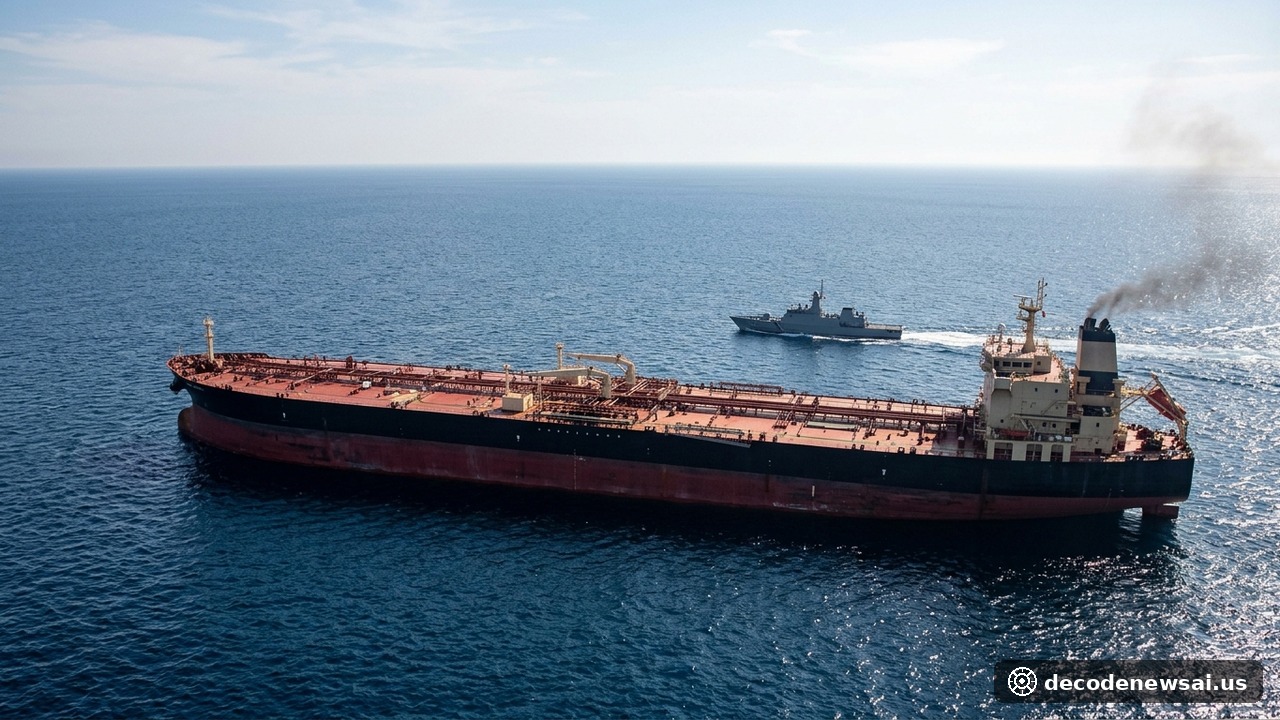
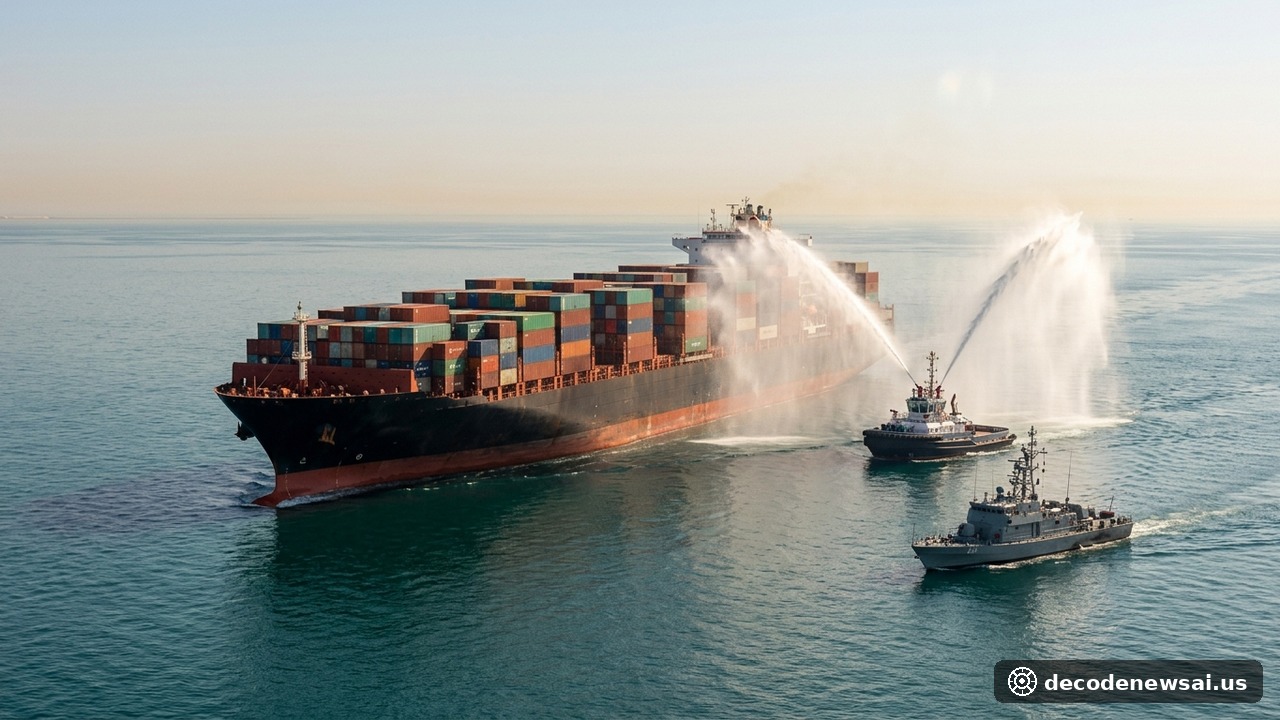
The commercial cargo vessel was transiting standard maritime shipping channels outside the Strait of Hormuz when it was struck by an explosive low-altitude loitering munition. The detonation ignited an intense localized fire within ship superstructure accommodations and auxiliary engineering stations. The deceased seafarer was performing bridge watchkeeping duties when the strike occurred. Shipboard damage-control teams initiated firefighting procedures while international naval coalition patrols in adjacent waters dispatched helicopter search assets.
Emergency responders extinguished the blaze within two hours of initial impact. Four injured Filipino mariners were airlifted to specialized trauma centers in the United Arab Emirates for treatment. Diplomatic welfare officers from the Philippine Migrant Workers Office in Dubai confirmed that the surviving crew members remain in stable clinical condition.
In Manila, President Marcos expressed profound condolences to the grieving family in Pangasinan province and pledged comprehensive government compensation. Addressing reporters during an emergency briefing at Malacanang Palace, President Marcos underlined that the administration will prioritize worker safety above commercial shipping contracts. Marcos stated: "Once the situation endangers our mariners, we will definitely take preventive action so that none of our crew members will be hurt or die."
Philippines elevates Gulf to highest war-risk category
Philippine maritime authorities formally elevated the southern Persian Gulf and Gulf of Oman to the highest war-risk category designation. The classification activates mandatory statutory rights allowing mariners to decline sailing assignments into designated conflict zones without facing employment penalties or blacklisting from global crewing agencies.
The maritime casualty underscores the severe exposure of Philippine seafarers to escalating regional conflicts. The Republic of the Philippines provides approximately one-quarter of the global merchant marine workforce, with over 400,000 active mariners staffing commercial container vessels, bulk carriers, and oil tankers worldwide. Prolonged hostility along Middle Eastern chokepoints has placed thousands of Filipino workers directly in harm's way.
Maritime labor unions in Manila issued joint resolutions demanding that international ship operators reroute vessels away from contested regional waterways. Philippine embassies across the Gulf Cooperation Council activated emergency contingency hotlines to monitor crew manifests. Diplomatic officials reiterated calls for international naval forces to safeguard commercial freedom of navigation across vital maritime trade lanes.
Analysts warn of drone threats to commercial shipping
International maritime security analysts and commercial crewing directors emphasized that escalating aerial drone threats along Middle Eastern trade arteries introduce severe systemic risks for commercial shipping operations. Because commercial merchant vessels lack active air defense capabilities or electronic countermeasure suites, low-altitude loitering munitions present acute operational hazards to unarmored civilian deckhouses and living quarters. Global shipping confederations and maritime labor organizations called upon multinational naval coalitions to broaden maritime escort convoys and deploy dedicated drone-jamming assets along vulnerable navigation channels. The Philippine Department of Migrant Workers established continuous communication channels with international shipowners to guarantee hazard compensation and comprehensive health insurance coverage for all active mariners. Diplomatic representatives reiterated that safeguarding commercial navigation through vital international straits remains indispensable for preserving global energy supply security and protecting civilian seafarers from armed hostilities.
Maritime labor confederations across the Asia-Pacific region reiterated calls for unified international naval protection across Middle Eastern littoral corridors. The continuous safety of civilian maritime personnel remains vital for global commerce and energy distribution. Philippine diplomatic missions will maintain proactive liaison protocols to ensure that seafarers receive immediate consular assistance and emergency operational protection.