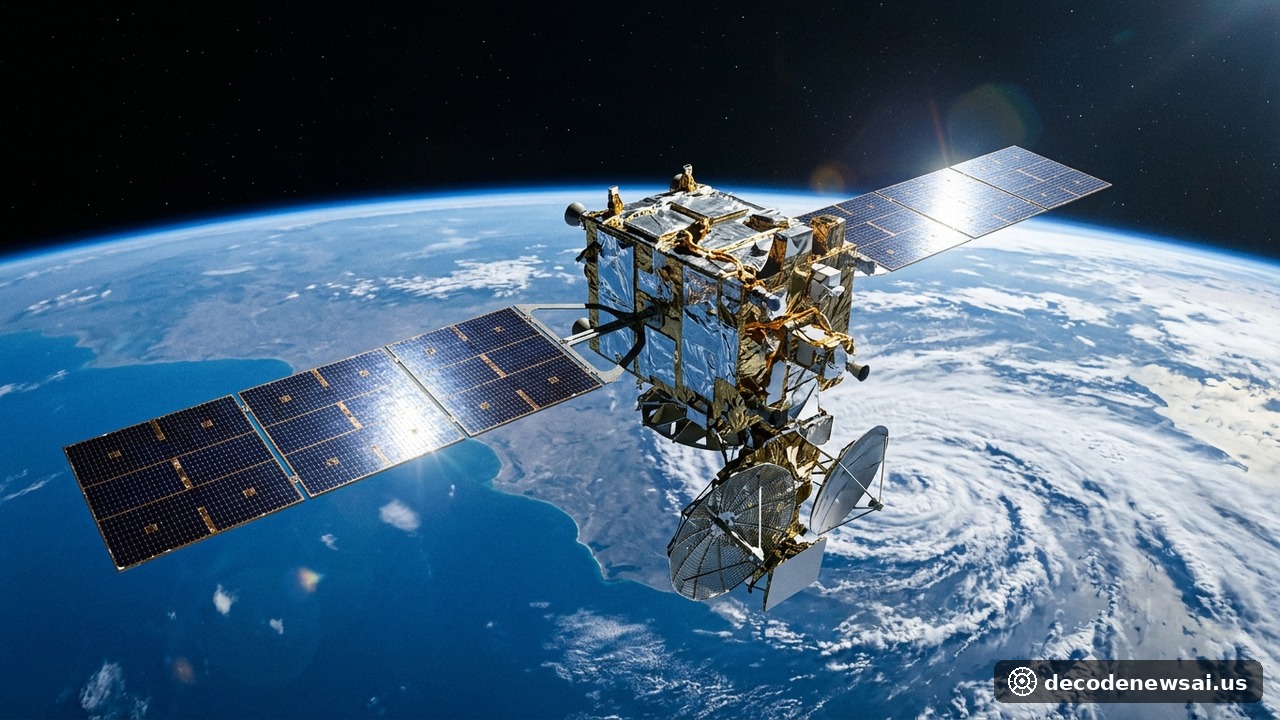
Canadian commercial space technology contractor MDA Space Ltd. (TSX: MDA) and global satellite telecommunications operator Globalstar, Inc. (NASDAQ: GSAT) officially announced on November 10, 2026, the successful completion of initial on-orbit functional verification testing for the first eight satellites of the Globalstar 2-R constellation. Launched together on a SpaceX Falcon 9 rocket from Vandenberg Space Force Base, the replenishment spacecraft represent the vanguard of a 17-satellite constellation replenishment program designed to sustain Globalstar's low Earth orbit communications network.
Eight satellites reach 1,400-kilometer orbits with healthy subsystems
Extensive on-orbit commissioning verified bus health, power subsystem generation, attitude determination and control systems, and integrated RF communications payloads.
All eight satellites established secure, low-latency feeder links with Globalstar's global ground station network. Commenting on the operational achievement in an official announcement released in Toronto, MDA Space Chief Executive Officer stated: "Successfully completing initial on-orbit testing on the first wave of Globalstar 2-R satellites validates MDA Space's engineering execution in high-cadence constellation production. Delivering advanced, high-reliability space platforms ensures that critical direct-to-device satellite connectivity operates seamlessly for commercial and government users globally."
Telemetry analysis confirmed that the spacecraft achieved their targeted 1,400-kilometer operational circular orbits with nominal solar array deployment and battery charge cycles.
Globalstar 2-R enables smartphone emergency messaging and tracking
The Globalstar 2-R constellation replenishment is engineered to enhance space-based emergency messaging and tracking services integrated directly into modern commercial smartphones. Utilizing advanced digital beamforming phased-array antennas, each replenishment satellite provides expanded throughput and heightened link margins, enabling consumer mobile devices to transmit emergency telemetry from remote wilderness or oceanic expanses without cellular coverage. The mission infrastructure supports life-saving search-and-rescue response operations internationally.
Satellite industry financial analysts highlighted that dedicated low Earth orbit Direct-to-Device capabilities represent a high-margin growth segment in commercial space communications. MDA Space confirmed that production and environmental testing for the remaining nine Globalstar 2-R satellites remain on schedule at its satellite manufacturing facility in Montreal ahead of planned orbital launches throughout 2027.
Commercial satellite communications analysts and aerospace systems engineers noted that successfully validating low Earth orbit replenishment satellites ensures continuous high-reliability connectivity for emergency mobile satellite communications. Because direct-to-device satellite services require robust link margins and precise orbital geometry, deploying next-generation digital beamforming payloads provides lifesaving communications coverage across remote terrestrial expanses. Space industrial consortia commended the rapid orbital commissioning, confirming that high-cadence satellite constellation manufacturing underpins expanding commercial space infrastructure.
Furthermore, aerospace industry observers emphasized that standardized satellite manufacturing architectures streamline orbit insertion and constellation maintenance. Telecommunications operators expect expanded constellation coverage to deliver seamless satellite-to-cellular connectivity for remote commercial and emergency users.
In addition, aerospace systems engineers and satellite telecommunications analysts noted that low Earth orbit replenishment constellations play a vital role in bridging global connectivity divides and ensuring robust emergency communications networks. Satellite-to-device direct connectivity enables commercial smartphones and industrial IoT sensors to transmit critical telemetry and SOS alerts even when ground cellular infrastructure is unavailable. Furthermore, commercial space operations federations commended the seamless payload commissioning and digital beamforming tests, noting that routine satellite fleet upgrades enhance the resilience of orbital communications architectures worldwide.
Furthermore, international space traffic management agencies highlighted that precision orbit insertion and automated collision avoidance protocols maintain the long-term sustainability of congested low Earth orbit corridors. Telecommunications regulatory authorities confirmed that replenishment satellite constellations comply strictly with international radio frequency interference standards and space debris mitigation guidelines.
In conclusion, satellite communications executives affirmed that reliable orbital infrastructure forms the backbone of modern global telecommunications. Space industry analysts look forward to regular deployment schedules ensuring unbroken connectivity for millions of users worldwide. Orbital engineering teams remain dedicated to upholding premier standards of technical precision and continuous mission success across space operations.