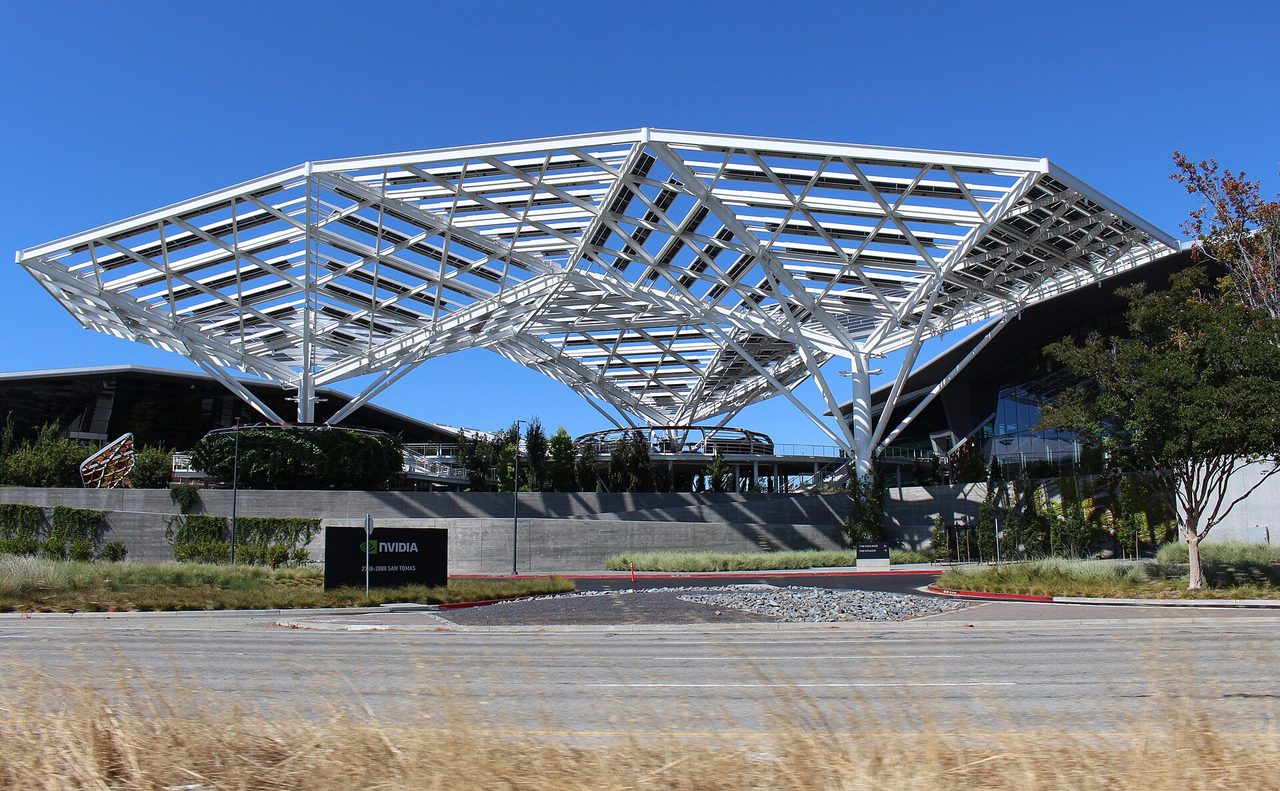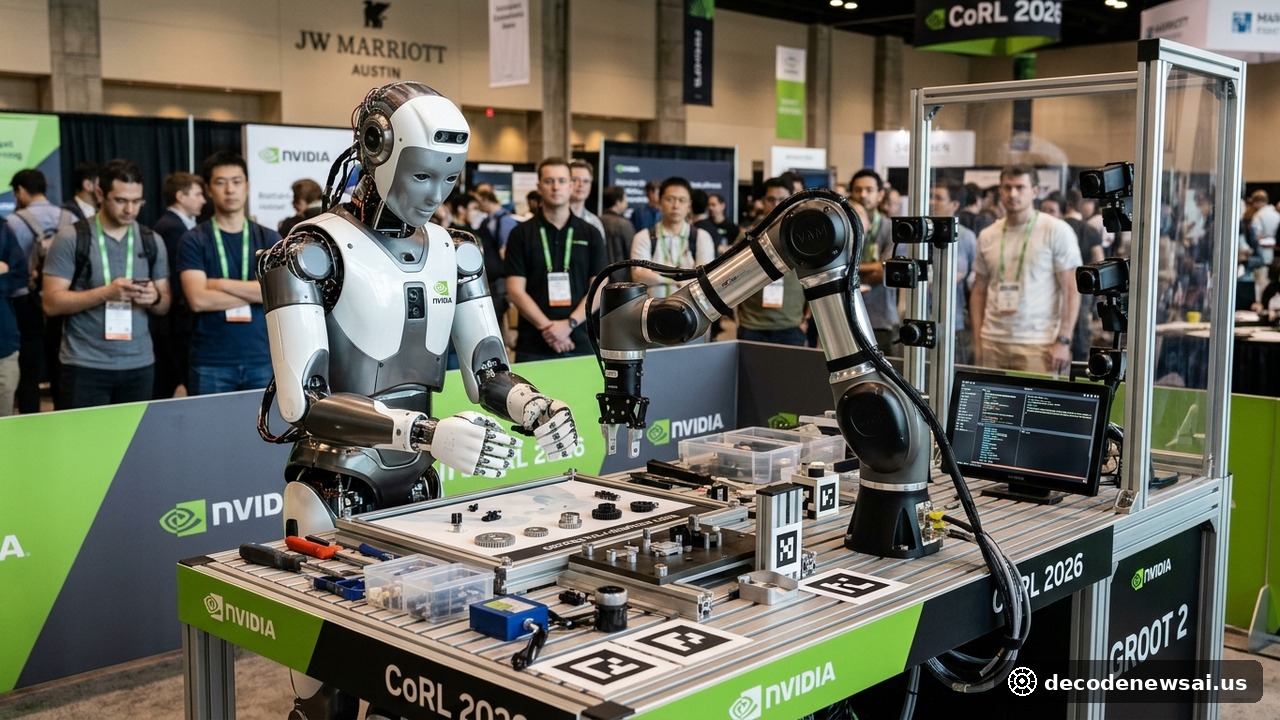
Global artificial intelligence and accelerated computing pioneer NVIDIA Corporation officially unveiled its second-generation robotics foundation model, GR00T 2, at the Conference on Robot Learning (CoRL 2026) in Austin, Texas, on November 10, 2026. The advanced world action model demonstrates breakthrough capabilities in generalized physical tool manipulation and spatial reasoning. Rigorous empirical evaluations established that GR00T 2 achieved an unprecedented 71% one-shot success rate across 50 diverse physical interaction tasks without platform-specific pre-programming, rising to 95% following just five human demonstrations and brief local fine-tuning.
GR00T 2 trained on 100,000 hours of demonstrations
The architecture was pretrained on more than 100,000 hours of synchronized multi-modal human demonstration footage captured across diverse physical environments.
By integrating spatial vision encoders with generative trajectory decoders, the model translates high-level task instructions into continuous joint-torque motor control commands. Presenting the research milestone during a technical keynote, a senior NVIDIA robotics research director stated: "Operating effectively within the physical world demands deep physical common sense that pure language systems cannot synthesize. GR00T 2 unifies spatial perception with predictive mechanics, enabling commercial robotic manipulators and humanoid platforms to adapt dynamically to novel physical workflows with minimal task-specific training."
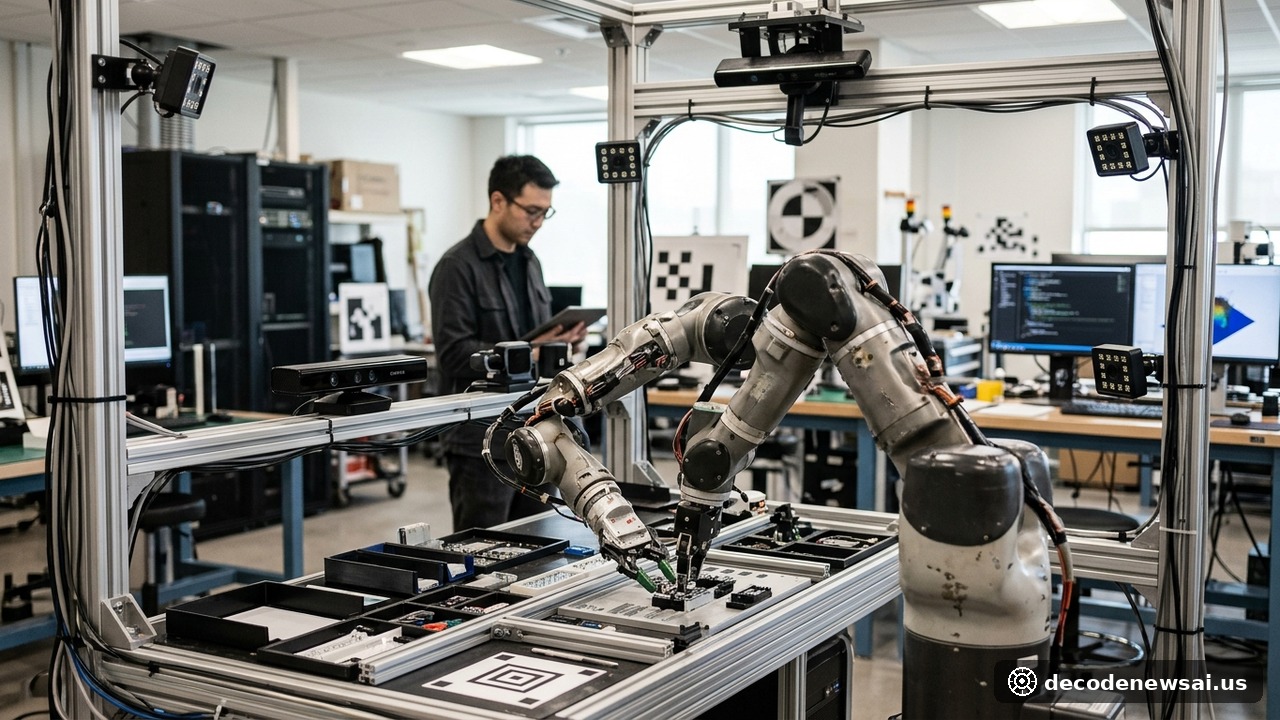
Live engineering demonstrations showed dual-arm robotic systems successfully manipulating delicate wiring harnesses and calibrating laboratory equipment in real time.
Zero-shot transfer across six-axis arms and dexterous hands
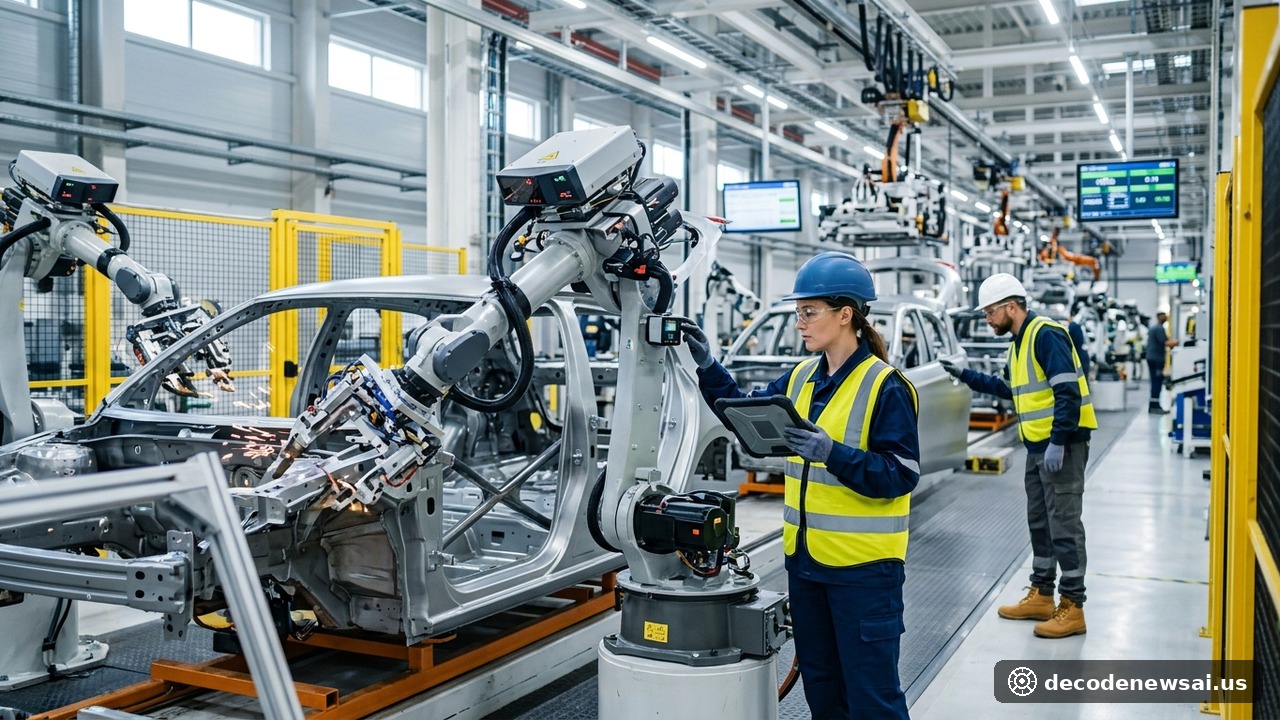
A primary technical breakthrough centers on structural cross-embodiment skill transfer, decoupling semantic task understanding from underlying kinematic actuator topologies. The model demonstrates operational zero-shot transfer across distinct mechanical architectures, supporting six-axis arms, seven-axis cobots, and anthropomorphic dexterous hands without retraining. This architectural agility substantially lowers deployment overhead for advanced manufacturing lines across automotive and consumer electronics facilities.
Robotics engineering consortia and academic laboratories commended the model's generalized dexterity, highlighting that the platform transforms physical automation deployment. NVIDIA announced that open-source model weights, accompanying simulation pipelines, and the complete demonstration dataset will be made accessible to researchers globally in December 2026.
Robotics research directors and industrial manufacturing automation specialists highlighted that generalist world action models signify a paradigm shift from rigid industrial robotics toward adaptive physical intelligence. Because multi-task physical manipulation requires delicate force feedback interpretation and dynamic obstacle accommodation, training foundation architectures on massive egocentric video corpora enables zero-shot skill transfer across distinct kinematic structures. Advanced manufacturing consortia anticipated rapid factory floor integration, noting that reducing programming overhead from months to minutes transforms productivity across industrial assembly plants.
Export compliance and unified models cut deployment cycles
High-tech trade associations and artificial intelligence research institutions emphasized that well-defined export compliance standards support sustainable technological progress. By establishing clear regulatory expectations, research organizations can responsibly navigate cross-border scientific partnerships while protecting sovereign intellectual assets and promoting safe international technology development. Such adaptive regulatory measures ensure that technological development remains both commercially vibrant and strictly aligned with responsible global governance norms.
Industrial engineering directors and robotic software developers observed that unified foundation models significantly reduce automation deployment cycles. By abstracting away complex hardware-specific kinematics, modern robotic architectures enable agile reconfiguration across dynamic manufacturing environments. Advanced manufacturing consortia confirmed that scalable robotic intelligence underpins next-generation industrial productivity and workforce safety.
Robotics research consortia and industrial automation networks affirmed that sustained technological investment provides crucial baseline capabilities, advancing fundamental commercial knowledge regarding physical artificial intelligence applications across global assembly facilities. Moreover, manufacturing engineering faculties affirmed that foundational physical robotics models accelerate automated factory deployment while supporting enhanced workforce safety across manufacturing sectors. Such adaptive technological architectures ensure that robotics development remains both commercially scalable and aligned with industrial standards. Robotics engineers and technology developers anticipated broad industrial adoption, confirming that adaptive foundational intelligence accelerates modern automation workflows. Such foundational advancements ensure that robotics systems can be safely and reliably deployed across dynamic industrial settings.