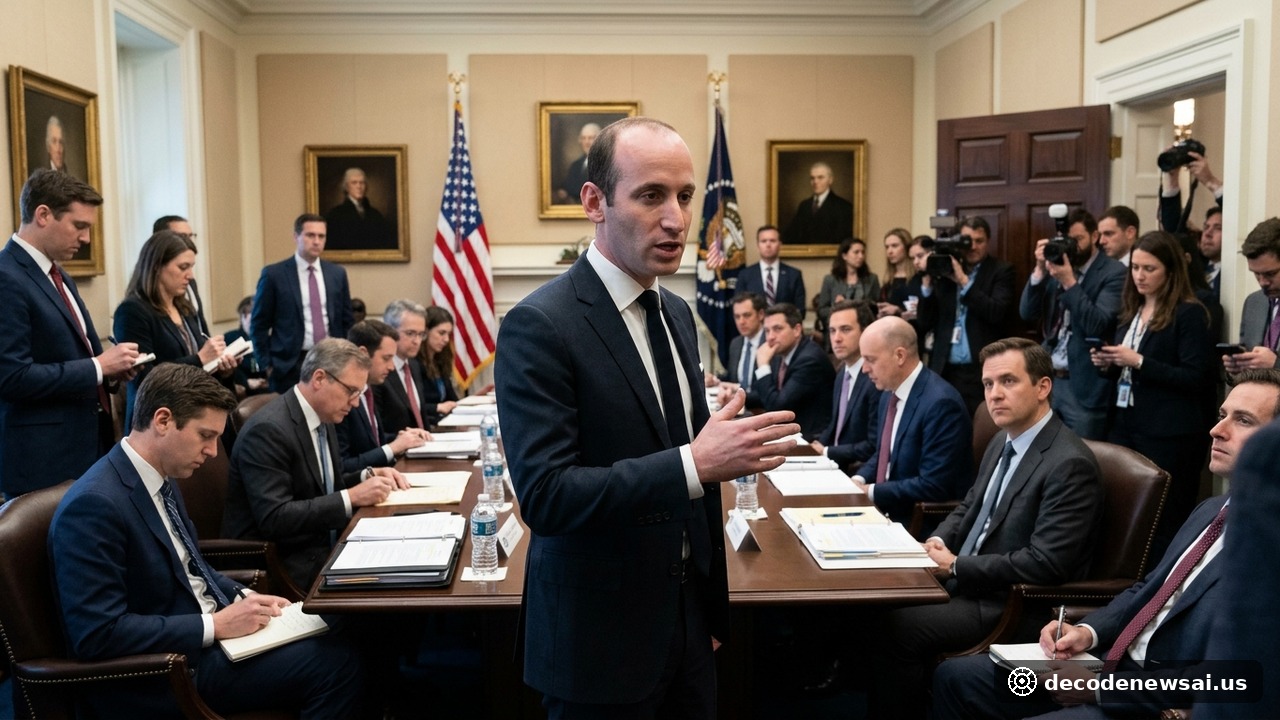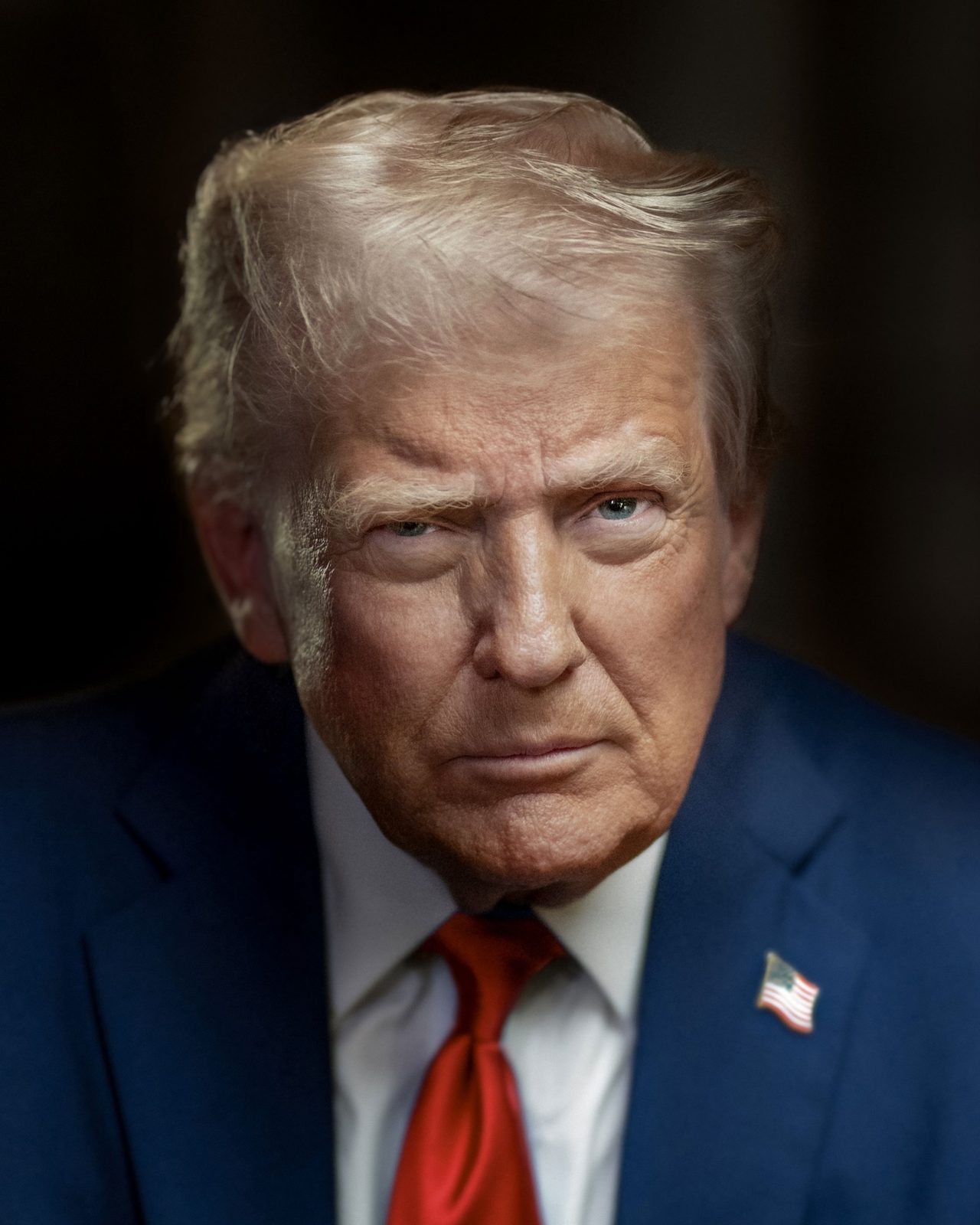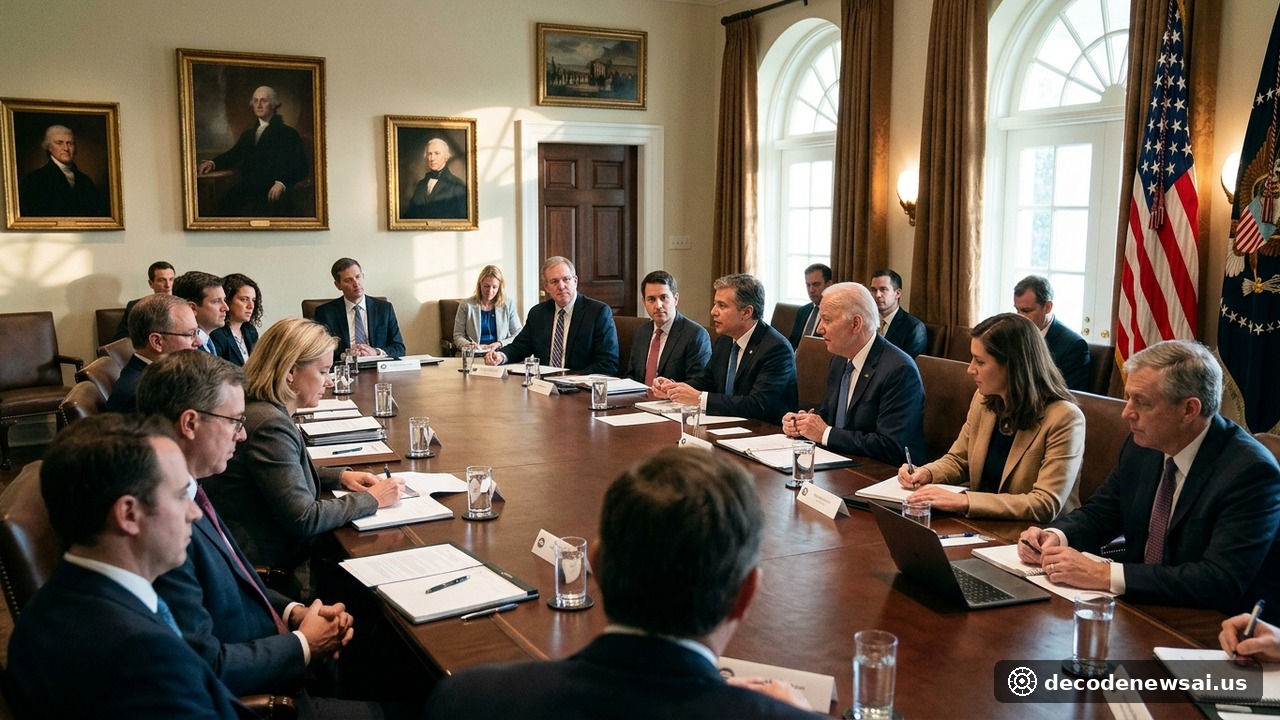
WASHINGTON - President Donald Trump announced a significant restructuring of his executive team on Monday, November 9, formally appointing senior policy adviser Stephen Miller as the 33rd White House Chief of Staff following the planned transition of Susie Wiles. Concurrently, the White House promoted a comprehensive interview broadcast on CBS News' "60 Minutes," in which the president mounted an energetic defense of his administration's economic trajectory and national security strategy.
Trump defends economy and 401(k) climb to $155,800
Miller, who has served as one of Trump's closest policy advisers across both presidential administrations, assumes direct operational command over the West Wing staff. In his new role, Miller will coordinate inter-agency executive actions, oversee judicial and administrative nominations, and direct policy negotiations with congressional leadership. Presidential aides confirmed that transition arrangements were completed over the weekend.
During the extensive television interview with CBS News, President Trump addressed criticism surrounding recent economic adjustments and international security deployments. President Trump stated directly during the broadcast: "The numbers that we have are historically good numbers. We have record-setting equity markets and solid employment. Abroad, our decisive military deterrence in the Middle East has brought adversaries to the negotiating table." White House communications officials highlighted the remarks across digital briefing releases.
The presidential interview highlighted key consumer financial metrics. Federal data cited during the broadcast showed that average American retirement account balances expanded during the second quarter of 2026, with typical 401(k) retirement savings climbing 13.1 percent year-over-year to reach a record $155,800. The administration maintained that domestic consumer spending remains fundamentally resilient despite elevated price levels across essential commodities.
Partisan reaction to Miller and Gulf military deployments
Addressing foreign policy controversies, Trump discussed regional military deployments across the Persian Gulf, asserting that sustained American naval operations successfully contained regional nuclear ambitions while shielding international shipping corridors. The president noted that high-level mediation efforts involving Gulf partners are advancing toward viable de-escalation frameworks, dismissing assertions that foreign defense expenditures contributed to recent congressional election losses.
Capitol Hill reaction highlighted stark partisan divides heading into the post-election legislative window. Republican leaders praised Miller's administrative competence and policy focus, whereas congressional Democrats pledged to subject incoming West Wing directives to rigorous committee hearings regarding executive spending oversight and civilian agency administration.
Political scientists and executive governance analysts in Washington noted that appointing Stephen Miller as Chief of Staff signals an aggressive push to consolidate administrative execution. By centralizing policy coordination within the West Wing, the administration aims to expedite regulatory reforms and protect executive initiatives from legislative gridlock. Cabinet deputies across domestic agencies received updated operational guidance establishing standardized timelines for advancing key executive directives. Bipartisan congressional aides observed that Miller's deep familiarity with legislative procedures enables the administration to navigate complex oversight challenges while maintaining policy continuity across federal civilian departments.
Scholars back oversight of executive appointments and spending
Constitutional scholars and administrative legal analysts pointed out that robust executive oversight balances inter-branch authority across modern federal agencies. Public policy researchers emphasized that systematic reviews of executive appointments and departmental expenditures preserve institutional transparency and administrative efficiency. State legislative coordinators noted that maintaining predictable federal grant allocation schedules supports local community investments and strengthens public education nationwide. Federal administrative policy analysts observed that transparent congressional inquiries safeguard public accountability across executive departments. Constructive legislative oversight ensures that allocated educational appropriations adhere to statutory standards and support long-term student success. Bipartisan congressional leadership confirmed that structured inter-branch consultation ensures federal departments maintain fidelity to statutory budget guidelines and constitutional principles. Legislative oversight coordinators noted that rigorous administrative review supports long-term institutional accountability and transparency across all levels of government.