Republican Representative Thomas Massie of Kentucky took formal legislative action on Monday, November 9, 2026. He introduced articles of impeachment against Secretary of Defense Pete Hegseth. Massie utilized a privileged resolution mechanism. The motion forces a floor vote in the House of Representatives within days. Lawmakers must now take a public stance.
War Powers Violations and Operational Allegations
Massie's impeachment resolution contains several specific constitutional and statutory charges. It asserts that Secretary Hegseth violated three provisions of the War Powers Resolution of 1973. Massie argued that military strikes conducted across Iran and Yemen lacked necessary congressional authorization. The Constitution reserves war powers to Congress.
The text also points to civilian harm during Middle East operations. In addition, the resolution cites maritime interdiction missions in the Caribbean Sea. It alleges crews from targeted vessels were left without adequate rescue after their boats were sunk. It also criticizes investigations targeting political opponents, including Senator Mark Kelly.
Representative Massie explained his rationale directly to colleagues. He asserted that executive war-making must adhere to federal statute: "Hegseth has subverted the power of Congress to declare war with unauthorized attacks, undermining constitutional governance."
Hegseth Press Conference and White House Defense
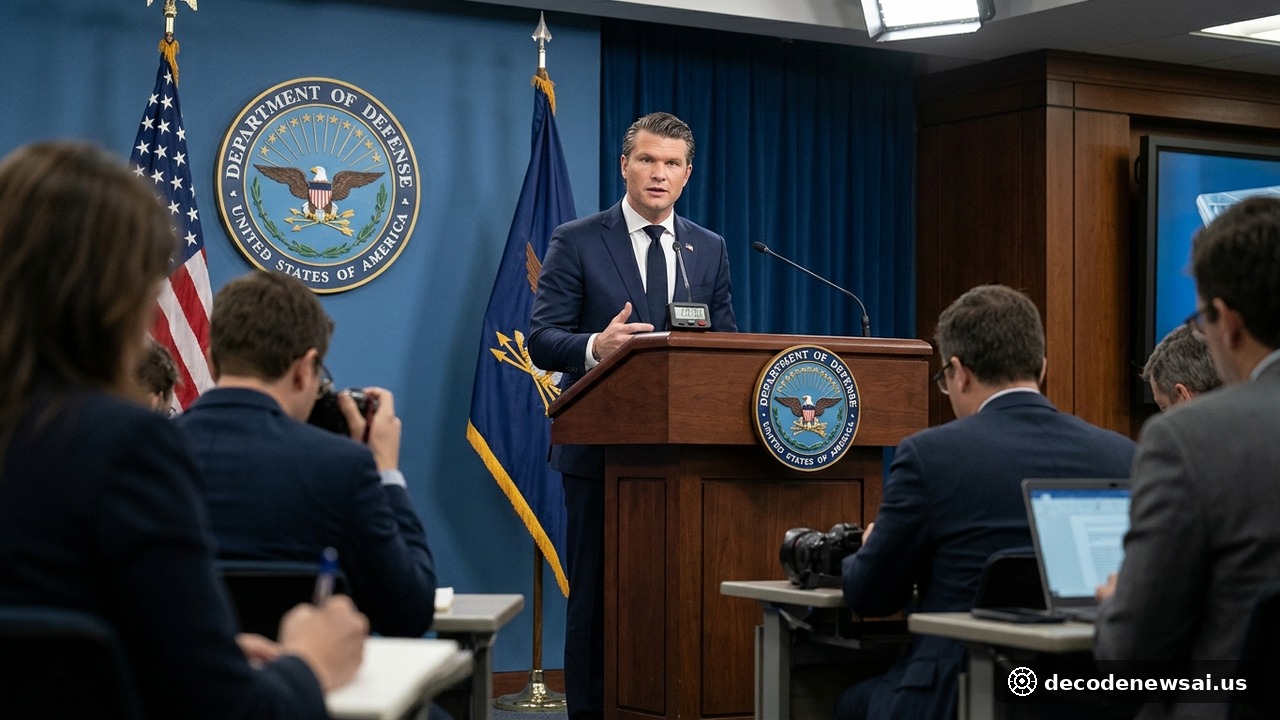
Secretary Hegseth responded swiftly to the impeachment push. The Pentagon confirmed that Hegseth will hold a formal press briefing on Tuesday. This marks his first on-camera news conference in over 180 days. Hegseth defended his military decisions in a pre-recorded message, dismissing the allegations as partisan maneuvers designed to weaken the administration.
President Donald Trump posted public messages backing his defense secretary. Trump insisted that operations in Iran and Yemen were necessary to protect deployed American service members. White House counsel attorneys began drafting formal responses to challenge the resolution. Administration officials described the effort as politically motivated.
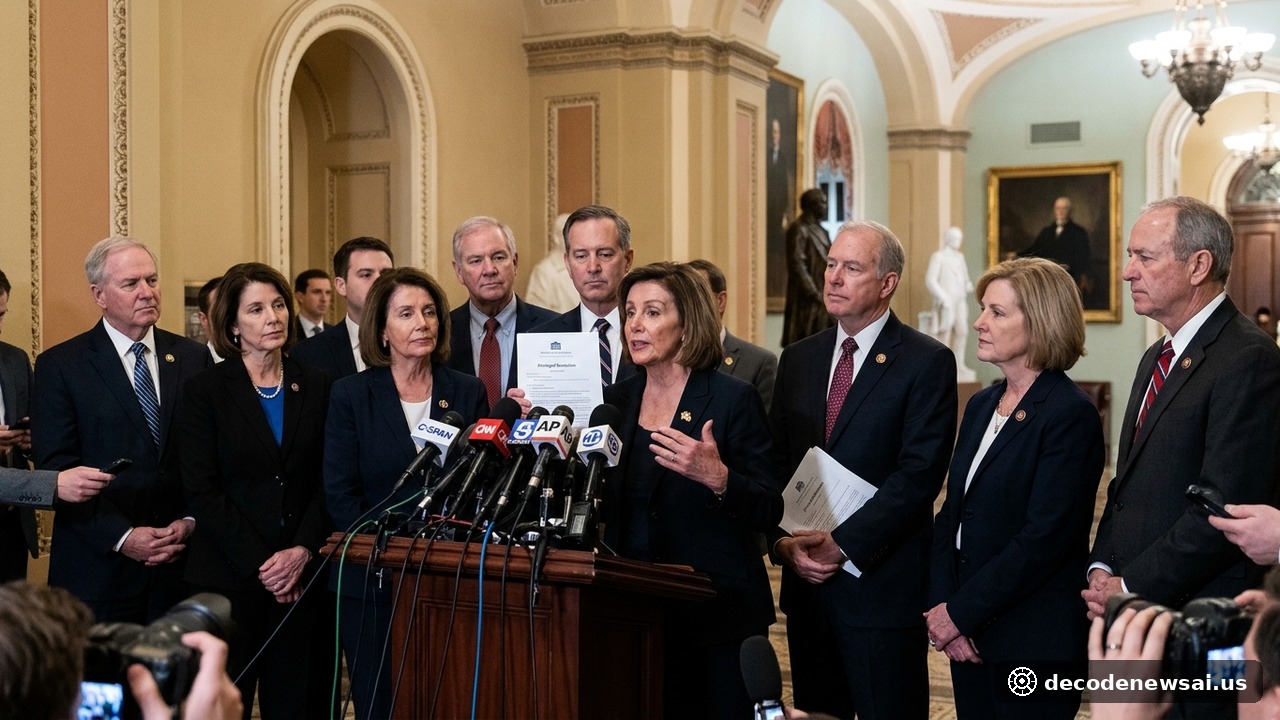
Congressional Republicans expressed divided views on the floor. Moderate members raised questions regarding prolonged military engagements in the Middle East. Conservative allies criticized Massie for forcing a contentious vote shortly after midterm elections. House Democratic leadership convened to discuss floor tactics.
Lame-Duck Session and Balance of Power
Congress reconvened on November 9 for a brief six-week lame-duck session. Newly elected Democratic majorities will formally assume control of both chambers on January 3, 2027. Republican leaders are striving to conclude key budget measures before power shifts.
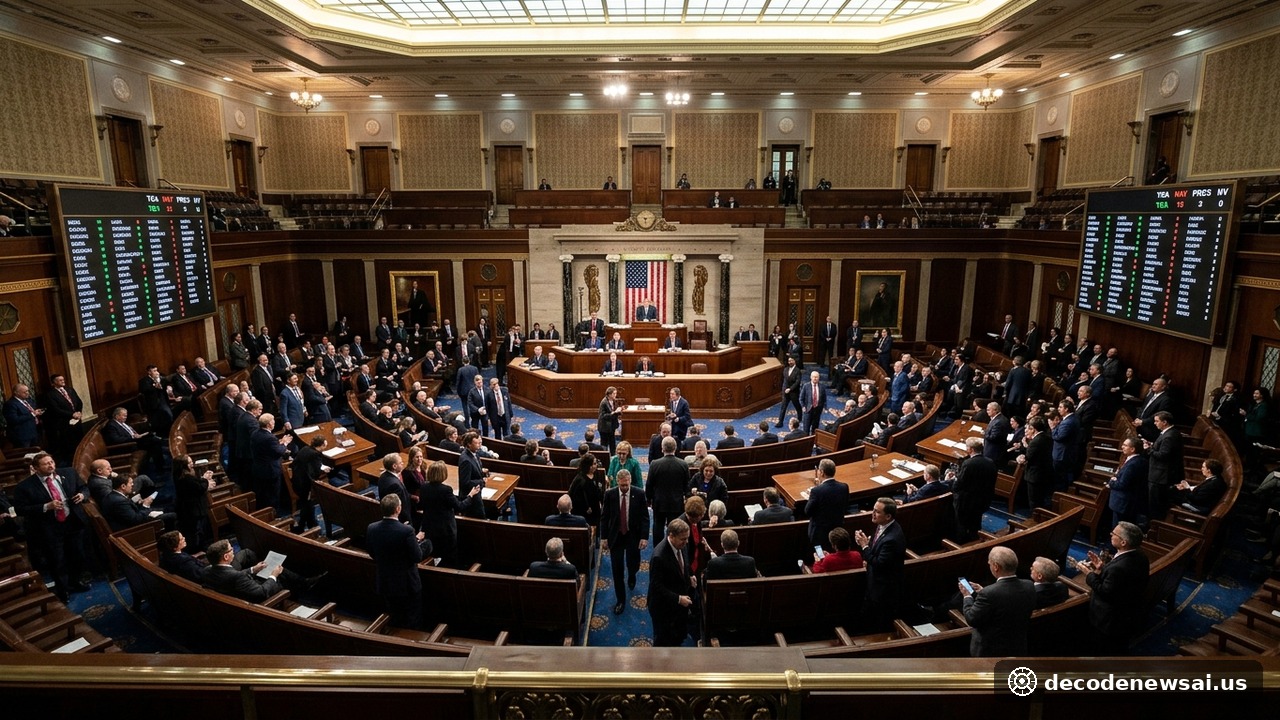
Massie's privileged status forces leadership to address the measure directly on the floor. House managers may seek a motion to table or refer the articles to the Judiciary Committee. However, any recorded roll call requires members to declare their position on the administration's war conduct.
Discussions over war powers and defense appropriations will dominate Capitol Hill hearings this month. Members of the Armed Services Committee requested declassified briefings on recent operations. The impeachment confrontation signals intense legislative battles ahead.
Constitutional scholars underscored that the invocation of privileged floor mechanisms reflects deep friction between legislative prerogatives and executive power during geopolitical conflicts. Members of Congress across both political parties face heightened scrutiny from constituents regarding military authorization standards and regional deployment expenditures. The scheduled floor proceedings will serve as an essential indicator of Capitol Hill defense oversight as lawmakers prepare for upcoming committee leadership realignments in January.
Legislative scholars emphasized that the introduction of privileged impeachment articles forces public accountability on national defense policy. Both conservative and progressive caucuses are reassessing statutory parameters governing executive military actions in the Middle East. The impending House floor proceedings will establish an important precedent regarding legislative war powers during inter-branch transitions. Lawmakers from both parties intend to examine legal justifications presented by the Department of Defense in upcoming committee hearings.