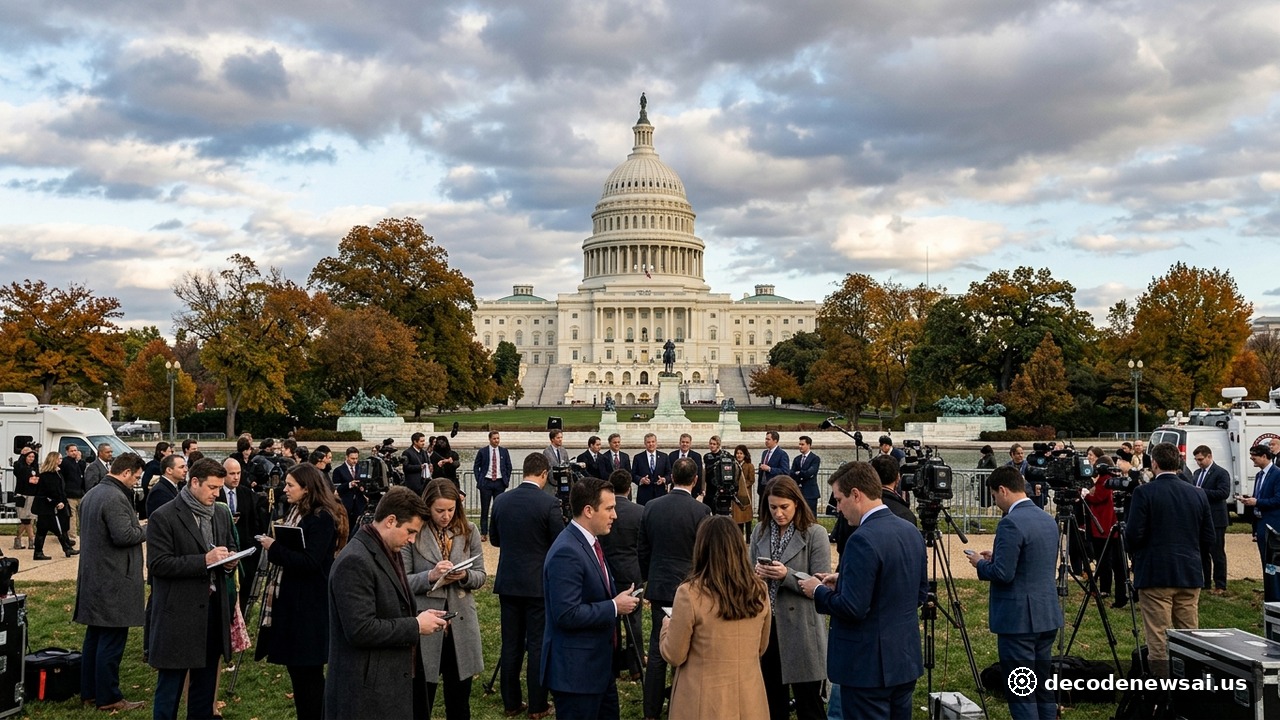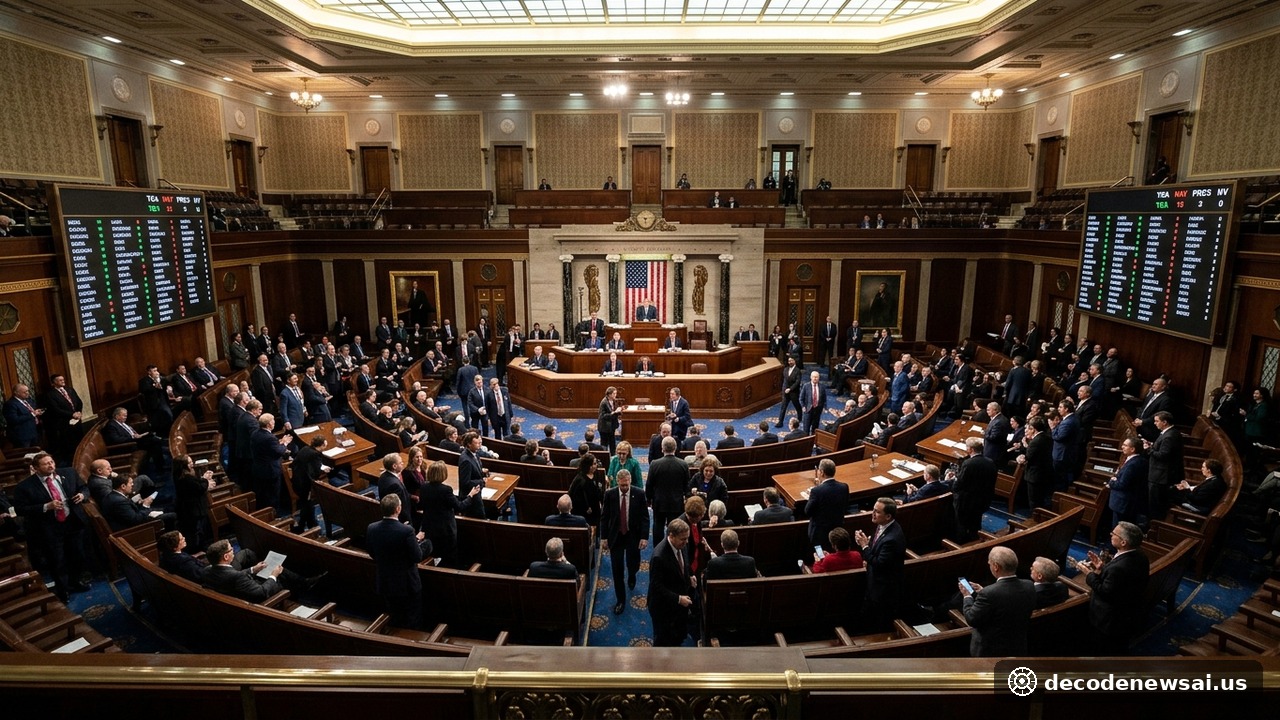
United States Representative Thomas Massie introduced an official resolution to impeach Defense Secretary Pete Hegseth on November 9, 2026, invoking House Rule IX to force a mandatory floor vote within 48 hours. The Kentucky Republican unveiled the measure during floor proceedings, setting a procedural deadline for the House of Representatives to act prior to Wednesday evening, November 11. The legislative confrontation represents a major institutional challenge for executive leadership following recent congressional midterm elections.
Eight articles cite unauthorized Iran and Yemen strikes
The privileged resolution contains eight specific articles of impeachment detailing alleged constitutional violations and statutory misconduct regarding military operations in the Middle East.
Central to the impeachment articles is the assertion that executive branch leadership initiated military attacks against targets in Iran and Yemen without obtaining prior statutory declaration of war from Congress. Speaking on the House floor during the formal introduction of the resolution, Massie stated: "Congress must never abdicate its constitutional prerogative over matters of war and peace. Waging unauthorized military conflicts abroad strikes at the very foundation of our constitutional separation of powers."
The legislative measure further alleges noncompliance with statutory deadlines established under the War Powers Resolution of 1973, which requires congressional authorization for sustained overseas hostilities beyond 60 days. Massie also cited alleged failure to minimize civilian casualties during maritime security interdictions.
Rule IX sets 48-hour vote as Hegseth plans briefing
The invocation of House Rule IX establishes an expedited parliamentary timeline requiring chamber leadership to schedule consideration within two legislative days. Congressional leaders from both parties are actively consulting with parliamentarians regarding procedural motions to table or refer the measure to the House Committee on the Judiciary.
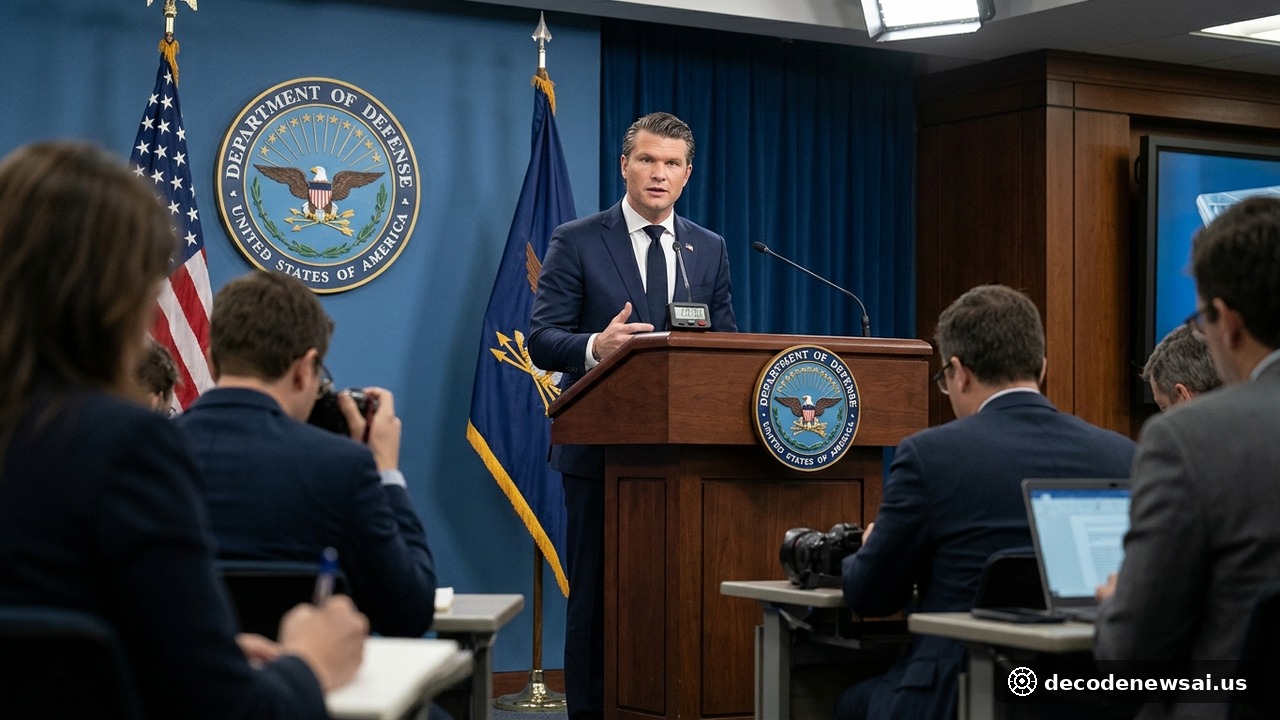
In response to the impeachment initiative, Department of Defense officials announced that Secretary Hegseth will hold a formal press briefing at the Pentagon on Tuesday morning, November 10. The press conference marks Hegseth's first on-camera briefing in six months.
Hegseth posted public statements on official communication networks defending the administration's military posture in the Middle East, emphasizing that tactical air operations constitute lawful self-defense measures authorized under executive authority. Constitutional scholars and legislative analysts noted that forced floor votes on cabinet-level impeachment resolutions remain exceptionally rare in contemporary American governance, requiring lawmakers across both parties to take formal public positions on controversial military engagements. Congressional party whips confirmed that members are conducting intensive caucus reviews ahead of Wednesday's legislative deadline.
War powers debate divides defense hawks and critics
The procedural maneuvering triggered by Representative Massie's privileged resolution underscores deep-seated ideological debates within Congress regarding executive war powers and international military interventions. While traditional defense hawks advocate maintaining executive discretion during ongoing overseas crises, non-interventionist conservatives and progressive lawmakers have increasingly coalesced around reasserting statutory legislative control over military engagements.
House Democratic Leader Hakeem Jeffries affirmed that members will evaluate the merits of each specific article of impeachment consistent with constitutional responsibilities. Legal scholars noted that the automatic parliamentary mechanism of House Rule IX forces lawmakers on both sides of the aisle to cast recorded public votes, creating immediate accountability ahead of upcoming defense appropriation debates.
Constitutional scholars and legislative governance researchers observed that privileged floor proceedings demonstrate the robust institutional checks embedded within the American constitutional system. By compelling lawmakers to record formal votes regarding overseas military engagements, the House debate establishes important legal precedents that will guide executive-legislative relations for future national security policies.
Leadership and aides plan floor proceedings on articles
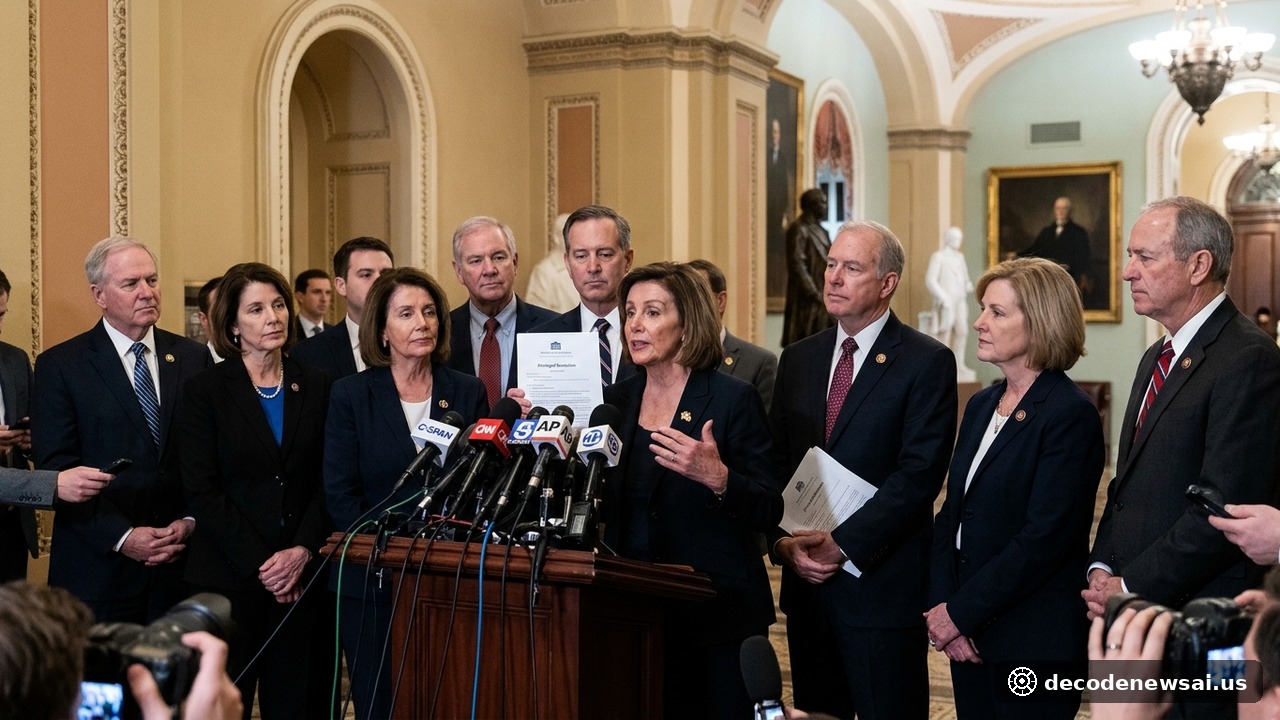
Bipartisan congressional aides confirmed that leadership will consult with procedural parliamentarians to structure the upcoming floor proceedings. Members across both caucuses expressed determination to conduct a principled and thorough constitutional evaluation of executive authority.
Furthermore, civic advocacy organizations emphasized that legislative accountability remains essential for maintaining public trust. Lawmakers from both parties stated that transparent committee procedures will ensure a fair and measured evaluation of statutory defense authorities.