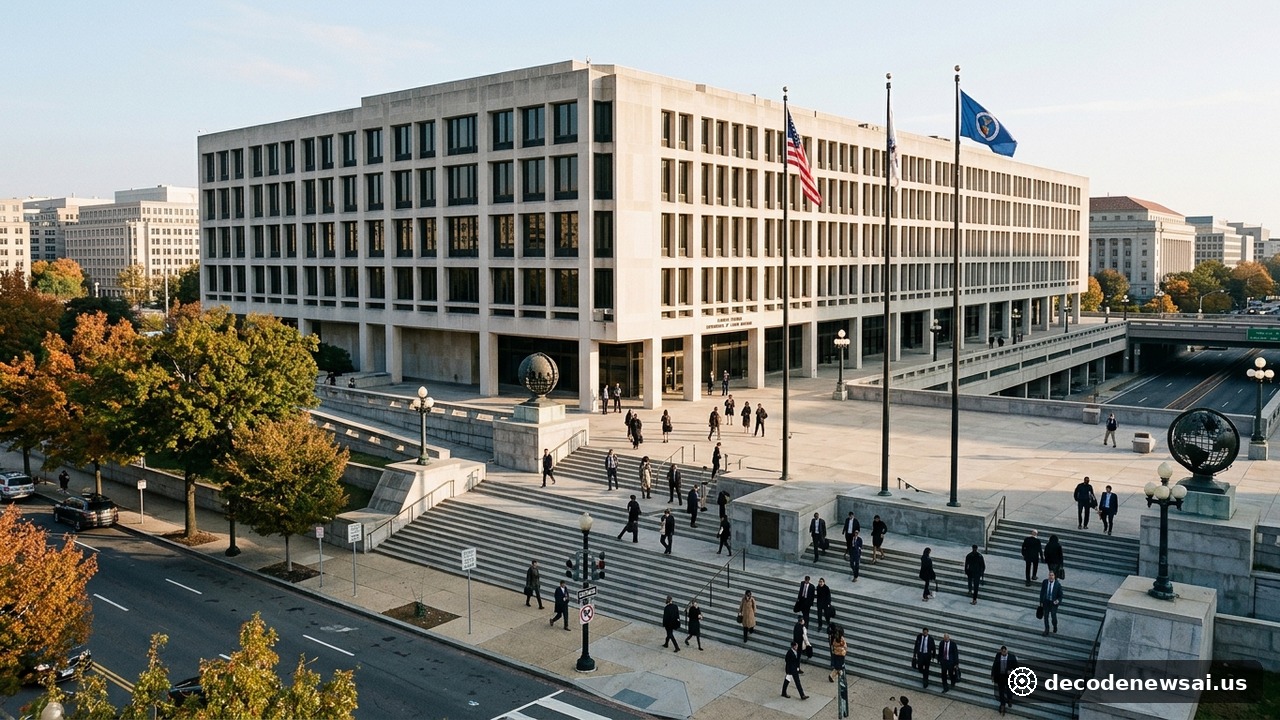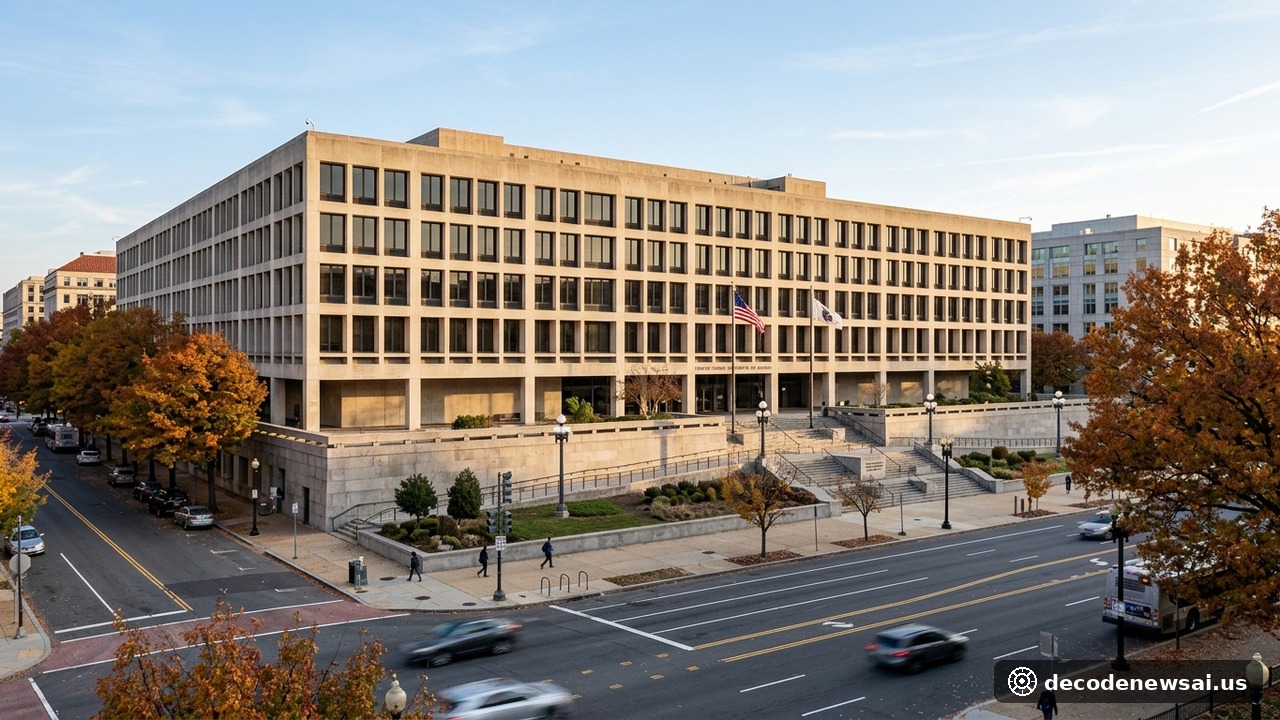
The United States Department of Labor's Employment and Training Administration issued a comprehensive proposed rulemaking on November 10, 2026. It sets nationwide minimum standards for unemployment insurance claim verification. The draft mandates at least five qualifying job search activities per week.
A Uniform Federal Work Search Threshold Replaces Disparate State Protocols
The proposal addresses decades of fragmented administration across all fifty state unemployment insurance programs. Current rules vary widely. Some jurisdictions require only a single casual online application per week. Others enforce rigid in-person networking protocols.
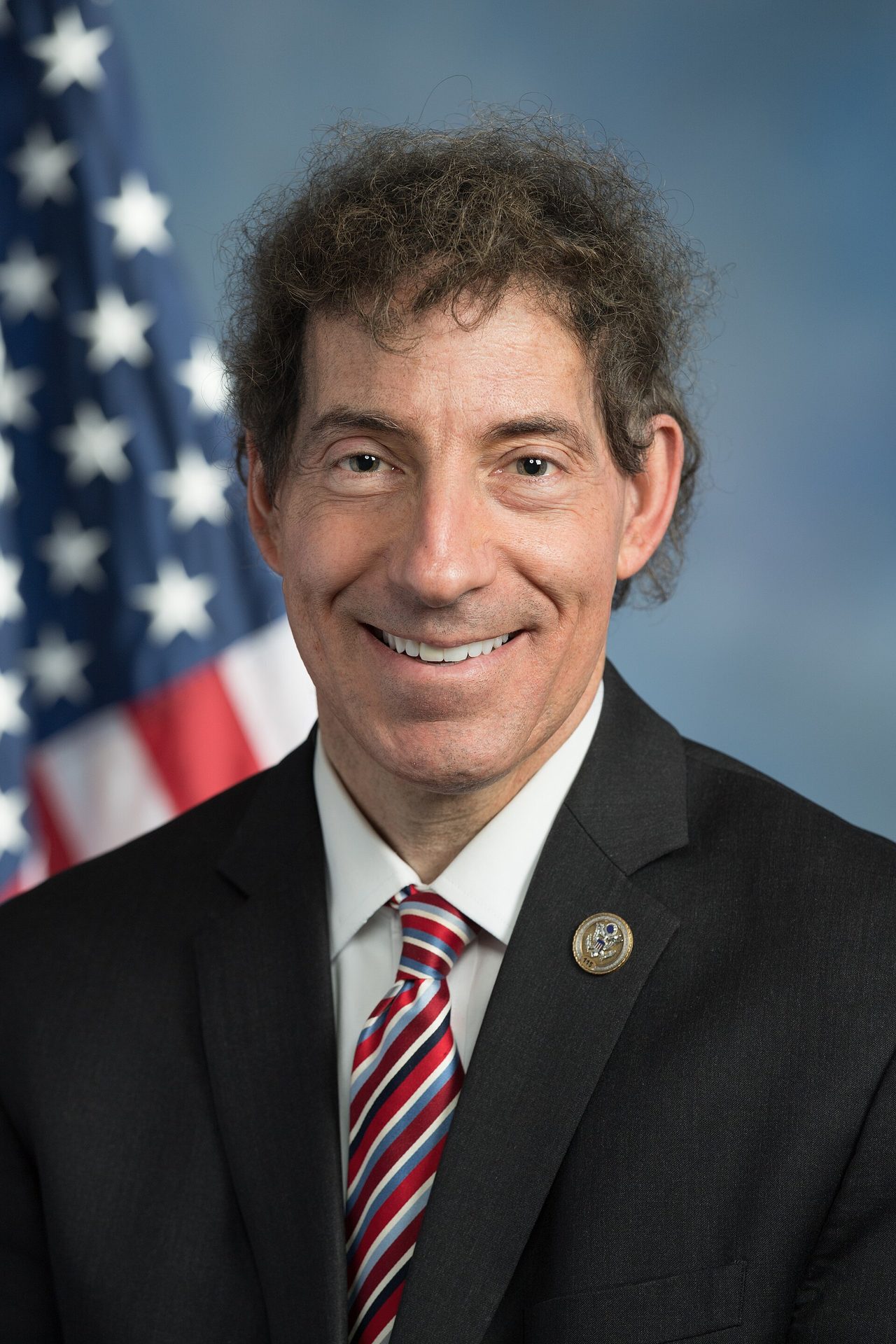
The Deputy Secretary of Labor announced the measure at a Washington press conference. The Deputy Secretary underscored the administration's administrative philosophy. "Unemployment insurance represents a temporary transition bridge rather than an open-ended entitlement program. Establishing an enforceable federal baseline of five validated employer contacts per week ensures that taxpayer resources directly support motivated workers actively re-entering the productive labor market."
The draft framework defines qualifying employment search activities in detail. Eligible actions include accredited job fairs, formal job interviews, customized resumes, and certified vocational retraining modules. State workforce agencies must upgrade local intake workflows within six months of final publication.
Cross-State Data Interoperability Targets Benefit Overpayments
The regulation directs state agencies to integrate local adjudications systems with the National Directory of New Hires. It also requires links to centralized federal labor exchange networks. Automated cross-referencing will verify employer contacts in real time.
State workforce bureaus must run audit sampling on at least 10 percent of active recipient rolls monthly. The sampling is on a rolling basis. If an inquiry reveals fraudulent contact logs or fictitious employer interviews, claimants face immediate suspension of disbursements. Mandatory recoupment procedures follow.
Business advocacy organizations and labor unions offered differing assessments. The National Federation of Independent Business applauded the strengthened return-to-work requirements. It noted that small enterprise owners in manufacturing and logistics continue struggling with labor shortages. Worker advocacy coalitions voiced concern that rigid reporting mandates could unduly burden low-wage applicants in rural districts.
Federal Modernization Grants Aim to Streamline State Compliance Systems
The Department of Labor concurrently unveiled a $50 million competitive technical assistance grant program. The funding eases state implementation burdens. Money will be disbursed directly to state labor departments. It supports streamlined mobile applications and automated receipt verification portals.
The digital upgrades aim to eliminate manual paperwork. Applicants could directly upload interview calendar confirmations and electronic submission receipts from licensed employment portals. Automated classification algorithms will categorize submitted proof in real time. This eases administrative backlogs across overburdened state caseworkers.
The Department's Office of Inspector General published an accompanying financial audit. The audit projects that standardized verification protocols could mitigate up to $1.2 billion in improper annual overpayments. An agency spokesperson noted: "Deploying interoperable cross-state verification databases constitutes an indispensable firewall for protecting public trust and safeguarding the fiscal health of trust funds. We welcome substantive stakeholder feedback throughout the sixty-day public comment window." The definitive regulation is scheduled to take effect during the second quarter of 2027.