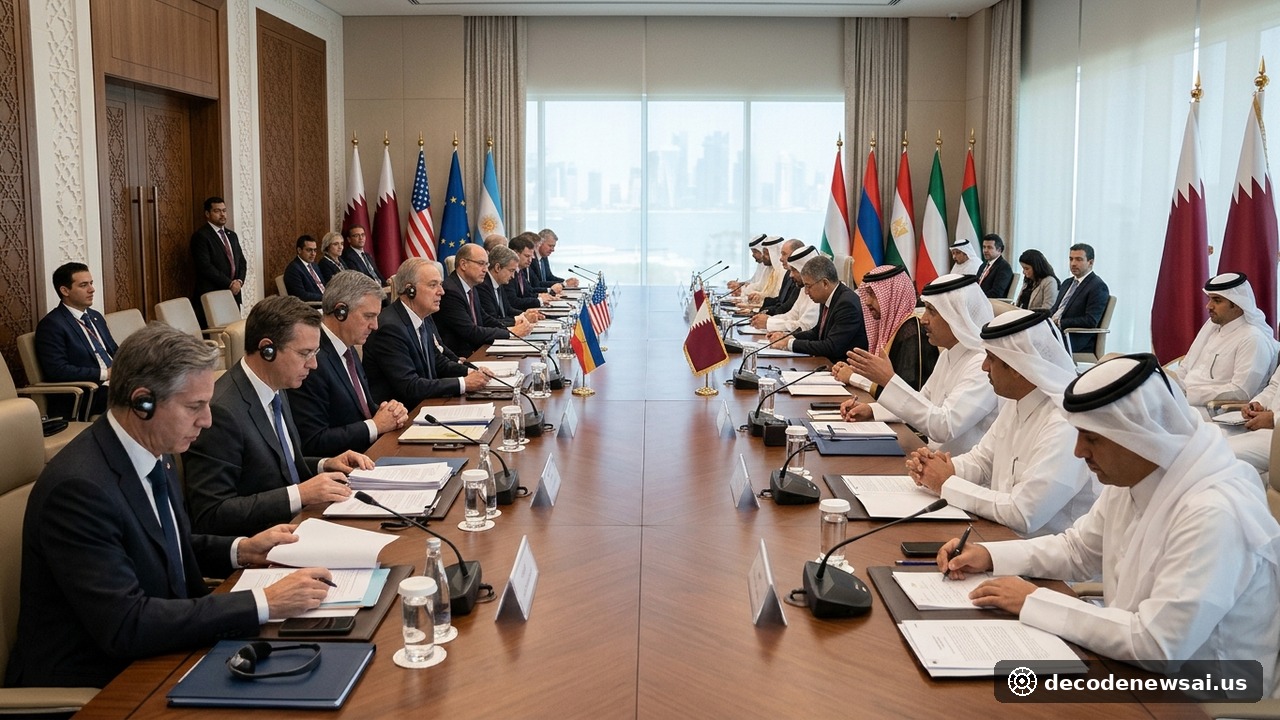
Under senior diplomatic mediation facilitated by the Government of Qatar, diplomatic delegations representing the United States and the Islamic Republic of Iran convened for a pivotal fifth round of indirect maritime security and ceasefire negotiations in Doha on November 6, 2026. The confidential talks center on finalizing multilateral escrow mechanisms to unlock more than $6 billion in restricted Iranian petroleum funds deposited in Qatari accounts, exchanged for the removal of Iranian naval blockades and sea-mining interdictions across the Strait of Hormuz. In Tehran, Iranian Foreign Minister Abbas Araghchi delivered a televised address confirming that indirect technical working groups are evaluating phased de-escalation protocols, while insisting that the immediate suspension of United States naval blockades in the Persian Gulf remains an indispensable prerequisite, signaling a critical diplomatic opening in an eight-month military standoff that has disrupted global maritime crude transit.
Key Strategic Metrics: US-Iran Doha Negotiations and Persian Gulf Security
- Duration of Active Gulf Maritime Conflict: Approximately 8 Months (Severe Shipping Shocks)
- Global Seaborne Petroleum Handled by Strait: ~20% of Global Petroleum Liquids Shipments
- Three-Stage Ceasefire Implementation Framework: Vessel Release, Verified De-Mining, Asset Access
- Regional Diplomatic Intermediary Alignment: Qatar, Iraq, and UAE Propose Shipping Buffer Zone
How Does the $6 Billion Escrow Mechanism Unlock Blockaded Maritime Chokepoints?
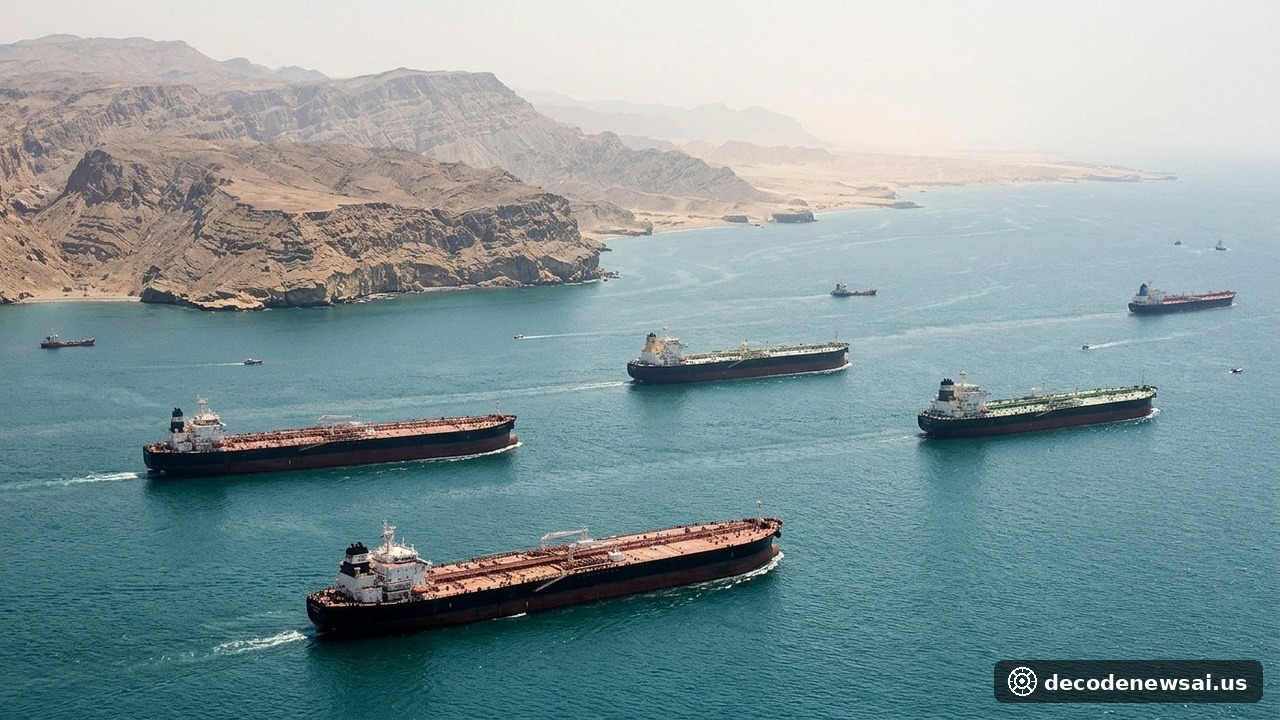
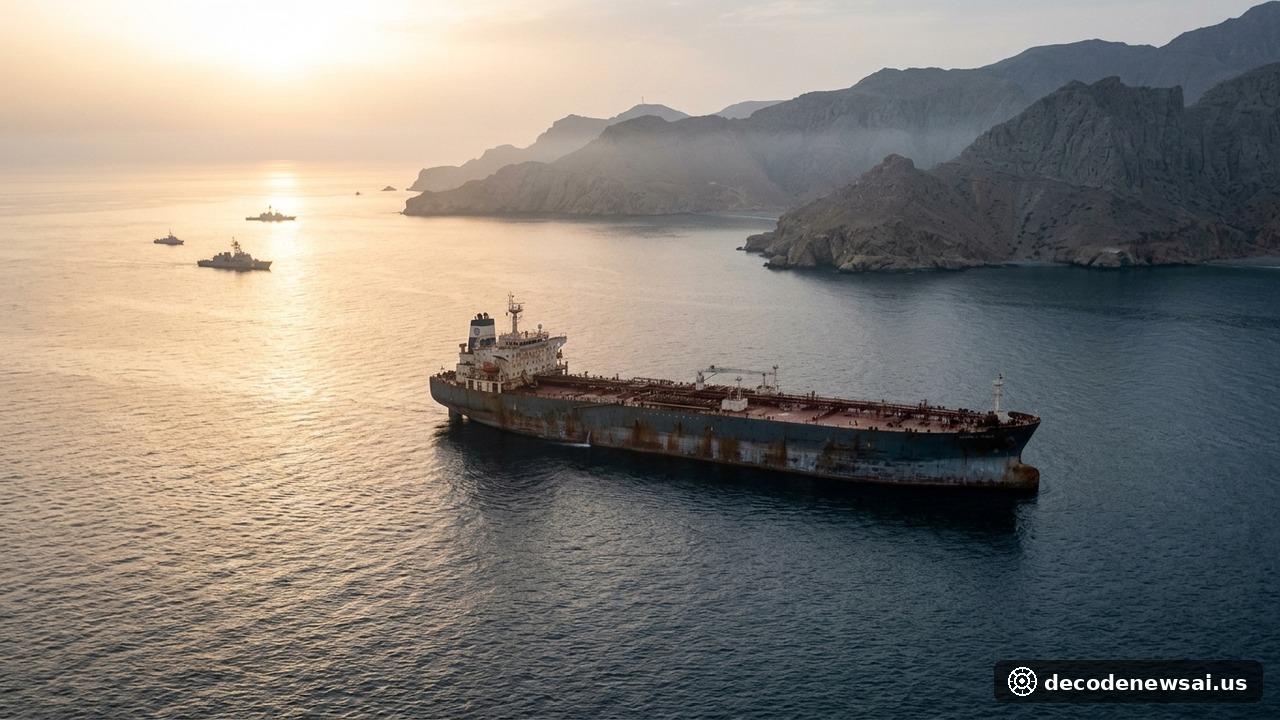
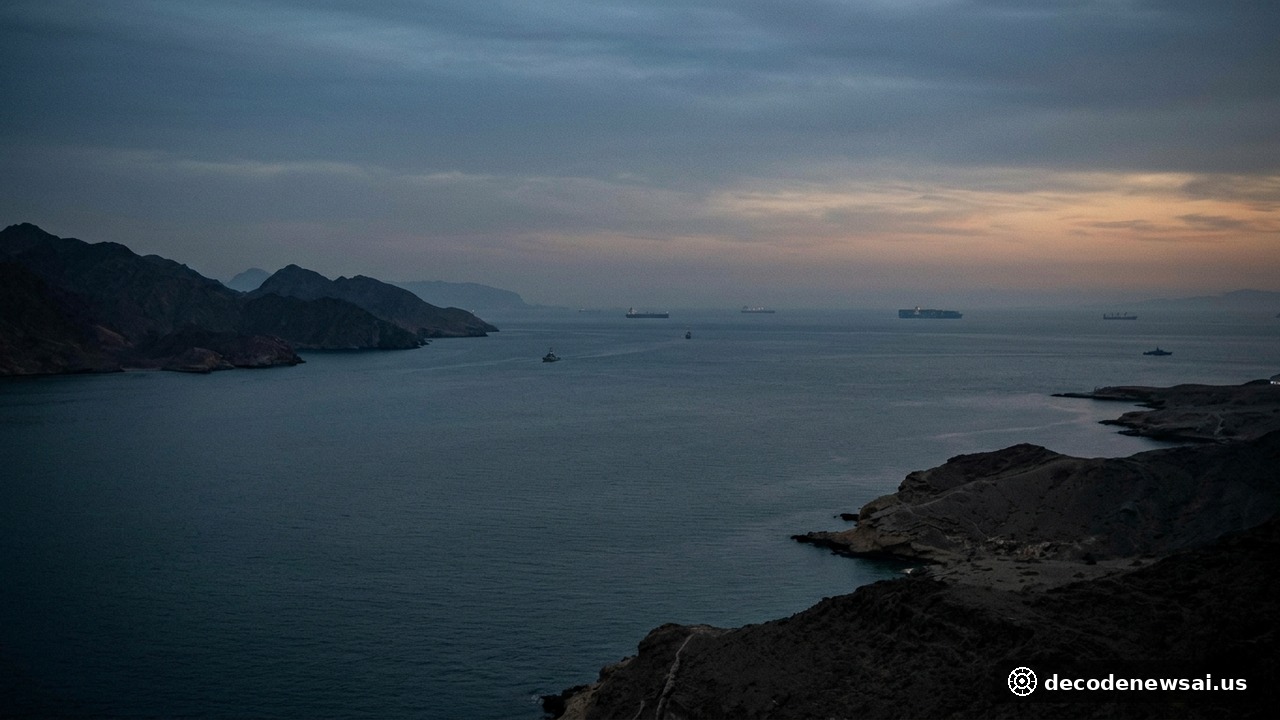
Traversing the territorial waters between Oman and Iran, the Strait of Hormuz handles roughly twenty million barrels of crude oil and petroleum liquids daily, representing the central maritime artery of global industrial energy commerce. Since military skirmishes escalated in early 2026, recurring commercial tanker detentions, drone harassment, and acoustic mine threats drove international maritime insurance premiums to historic highs, compelling international shipping syndicates to re-route container and tanker traffic around Africa's Cape of Good Hope.
The Doha diplomatic breakthrough pivots upon revitalizing the humanitarian escrow arrangement established in Doha. Originating from sanctioned Iranian petroleum receivables previously held in South Korea, the $6 billion capital pool is designated for strictly monitored humanitarian medical procurement under the Swiss Humanitarian Trade Arrangement (SHTA). In exchange for staged account access, Islamic Revolutionary Guard Corps (IRGC) fast-attack missile boats must withdraw from international navigation channels and submit verified navigational coordinates for moored naval mines to the International Maritime Organization (IMO) to ensure independent de-mining verification.
What Structural Disagreements Impede a Comprehensive Gulf Settlement?
Despite momentum surrounding humanitarian funds, fundamental security disagreements continue to challenge negotiators. United States defense officials submitted unyielding parameters through Qatari intermediaries, emphasizing that temporary maritime de-escalation cannot supersede United States requirements that Iran restore comprehensive International Atomic Energy Agency (IAEA) camera monitoring over enriched uranium stockpiles. Furthermore, the United States Fifth Fleet confirmed that international maritime coalition escorts will maintain continuous patrols in international waters.
In Tehran, parliamentary leadership voiced fierce resistance to foreign conditions. Iranian Speaker Mohammad Bagher Ghalibaf declared to lawmakers that Iran will not accept unilateral nuclear constraints under the coercion of naval blockades, demanding the verifiable lifting of air and maritime monitoring cordons around primary Iranian oil terminals at Kharg Island. Iranian diplomats cautioned that if the United States imposes secondary financial restrictions to delay fund disbursements, Iran retains the sovereign capability to deploy extended-range ballistic systems across regional chokepoints.
Where Does Global Energy Logistics Head Following the Doha Breakthrough?
The resumption of indirect diplomacy prompted immediate adjustments across international commodity markets. Brent crude futures retreated by more than 3% following confirmation of the talks, reflecting easing geopolitical risk premiums. Major crude importing economies across East Asia and Europe expressed cautious optimism regarding potential shipping normalization.
Maritime security analysts emphasize that enduring transit stability in the Persian Gulf cannot rest upon fragile ad-hoc truces. The precise technical sequencing negotiated in Doha over the coming days—linking verified mine clearance audits to sequential banking releases—will determine whether the commercial shipping sector achieves genuine transit restoration ahead of peak winter heating demand, or descends into renewed maritime volatility.