Trump and Congress Head for Post-Election Collision Over Hegseth, Iran and Ukraine
A three-front standoff takes shape after the vote
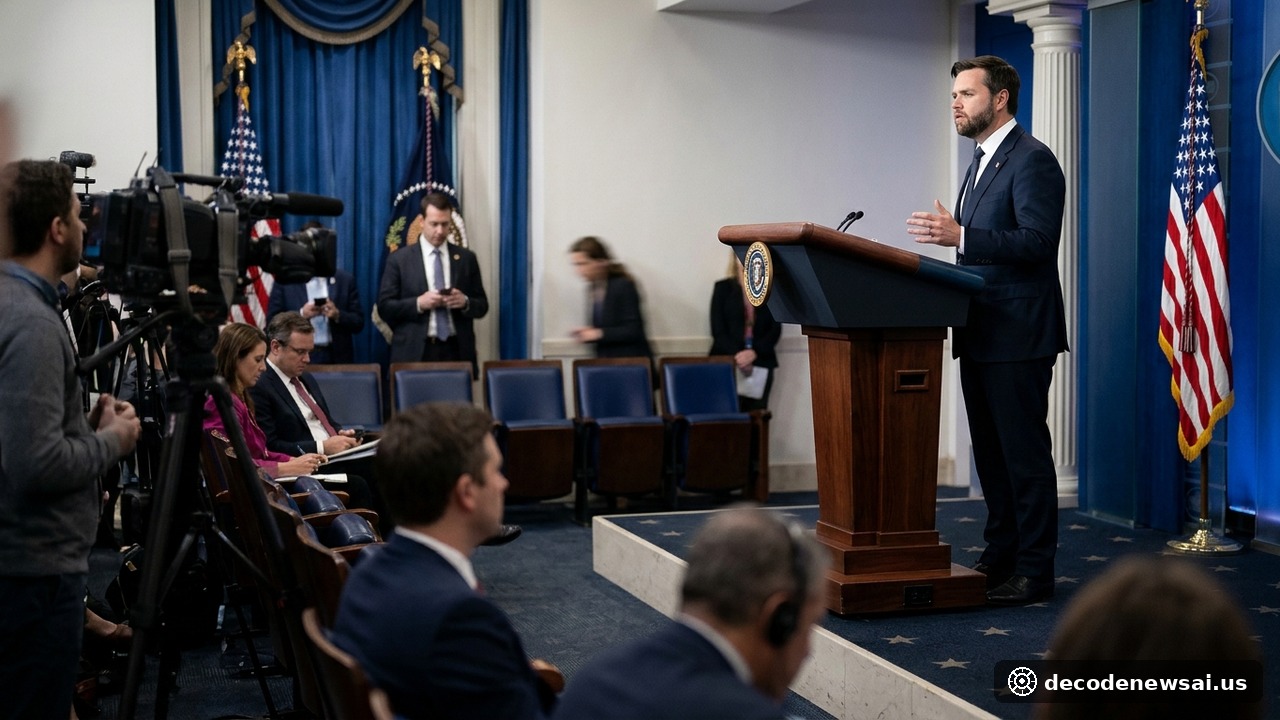
President Donald Trump and Congress are heading for a showdown after Election Day over the future of Defense Secretary Pete Hegseth, the war with Iran and policy toward Ukraine. According to The Hill, Democrats are stepping up demands that Trump fire Hegseth after the midterms and warning they will not back Pentagon funding increases while the Iran conflict continues. Republicans warn Trump must get tougher on Russian President Vladimir Putin and commit more firmly to Ukraine to get defense increases through before Democrats potentially retake the House, and possibly the Senate.
Democrats draw a funding line as Republicans press on Ukraine
Sen. Mark Kelly said Hegseth should have been fired multiple times, while warning that Trump must show a tougher line on Putin and a stronger commitment to Ukraine to pass a major funding bill, The Hill reported. A senior Democratic aide said there is no world in which Democrats fund the Iran war, suggesting Republicans may need reconciliation to move defense spending. On the Republican side, Rep. Don Bacon warned the administration's agenda is dead unless it reverses course on Ukraine, after criticizing reduced intelligence sharing and Starlink access for Kyiv.
Impeachment clock ticks as subpoenas and testimony loom
Hegseth's own future is the second front. The Hill reported that Republican Rep. Thomas Massie, who began the impeachment process in September, will reintroduce articles of impeachment when Congress returns in November. POLITICO reported House Minority Leader Hakeem Jeffries has edged closer to backing impeachment, saying Democrats will deal with Hegseth if Trump does not remove him. NBC News reported Sen. Adam Schiff wants Hegseth to testify in the Senate about Starlink limitations that disrupted Ukrainian operations. The BBC reported that a Democratic majority could open investigations into the unauthorized war, munitions shortfalls, troop readiness and Caribbean boat strikes, alongside impeachment proceedings that began in April over Iran.
Taxpayers, troops and Kyiv carry the cost
American taxpayers carry the fiscal burden as monthly costs mount. U.S. forces face depleted interceptor stocks and damaged bases across the Middle East, costs not fully captured in the $47.1 billion estimate, according to USA TODAY. Ukrainian troops face the operational effects of any slowdown in intelligence sharing and satellite support. The Pentagon itself faces a funding cliff: if Democrats refuse to fund the department while the Iran war continues, a lame-duck funding fight could force another government shutdown.
Lame-duck session becomes the decisive battleground
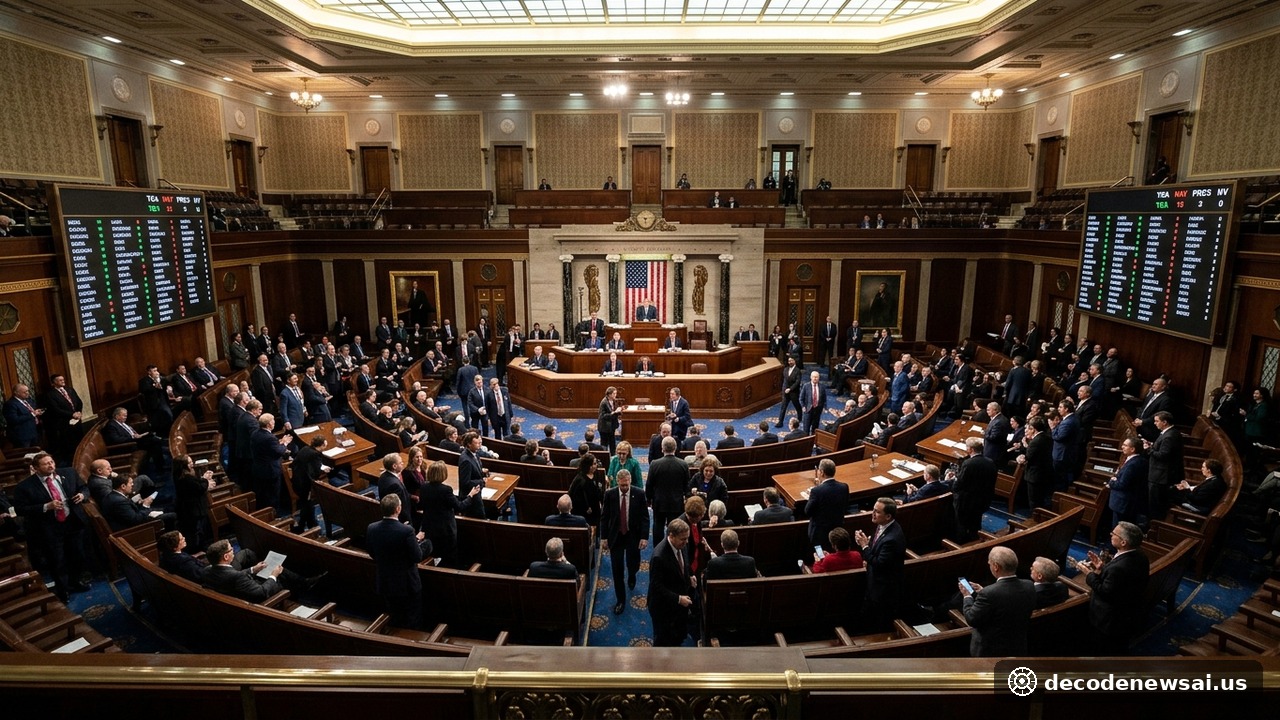
The lame-duck session after Congress returns in November will decide all three fights at once: a possible House impeachment vote on Hegseth, the fate of Pentagon supplemental funding, and the scale of the Ukraine commitment. The BBC noted impeachment needs only a simple House majority but conviction and removal require a two-thirds Senate vote. Trump is also reported to be weighing new strikes on Iran after the midterms, which would deepen the authorization dispute. Whoever wins the House, Hegseth hearings, Iran war oversight and Ukraine funding look set to dominate Capitol Hill into next year.