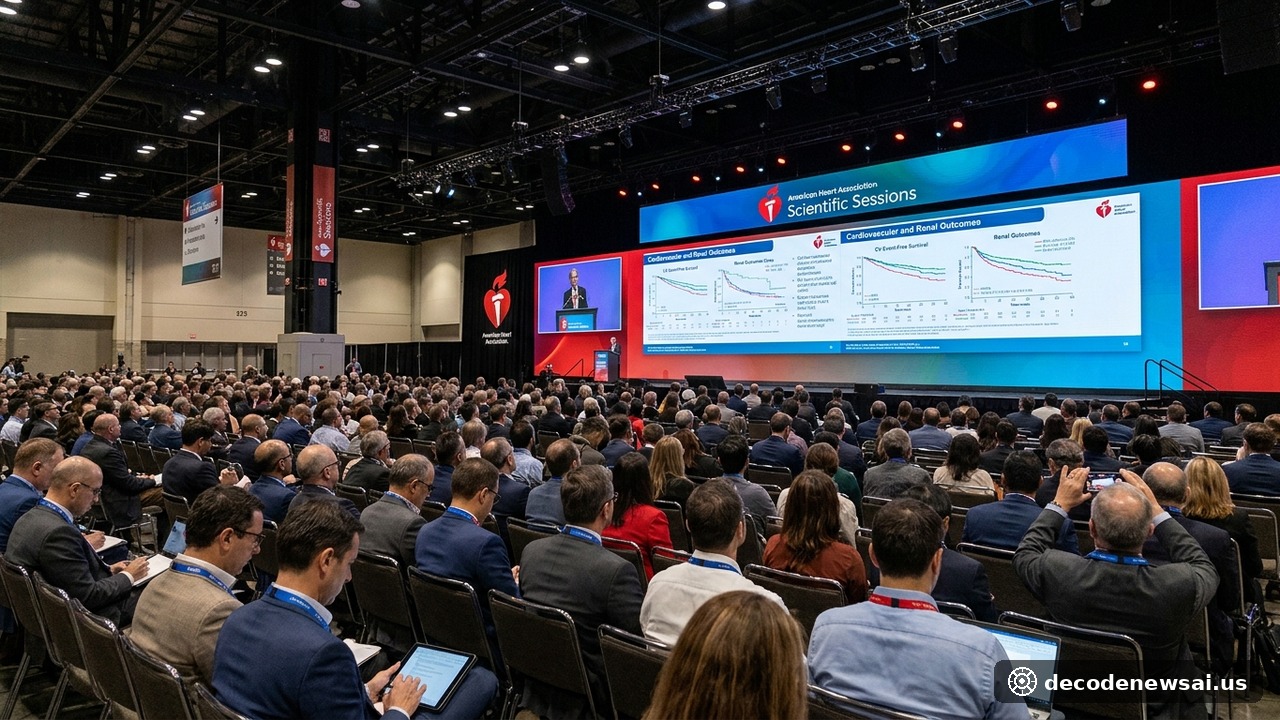
Novo Nordisk reported top-line findings from the phase 3 ZEUS clinical trial on Sunday during the American Heart Association Scientific Sessions in Chicago. The multinational randomized study enrolled more than 5,100 high-risk cardiovascular patients diagnosed with chronic kidney disease and systemic inflammation. The trial failed to meet its designated primary clinical endpoint. The investigational monoclonal antibody demonstrated no statistically significant reduction in major adverse cardiovascular events.
Ziltivekimab lowers CRP 78 percent but no event reduction
The clinical trial evaluated the therapeutic efficacy of ziltivekimab, an investigational monoclonal antibody targeting the interleukin-6 inflammatory cytokine pathway. Clinical investigators monitored enrolled participants across international trial sites over an observation period averaging nearly three years. All trial participants presented with elevated baseline levels of high-sensitivity C-reactive protein. Clinical researchers had anticipated that targeted cytokine inhibition would diminish arterial plaque instability. The outcome prompted widespread clinical re-examination.
Laboratory biomarkers documented that patients receiving subcutaneous ziltivekimab experienced substantial decreases in circulating inflammatory markers. Median concentrations of high-sensitivity C-reactive protein dropped by 78 percent compared to baseline values. However, the robust biological anti-inflammatory response failed to translate into a reduction in cardiovascular mortality or nonfatal myocardial infarction. Event rates between active treatment and placebo arms remained statistically indistinguishable. The biological correlation proved elusive.
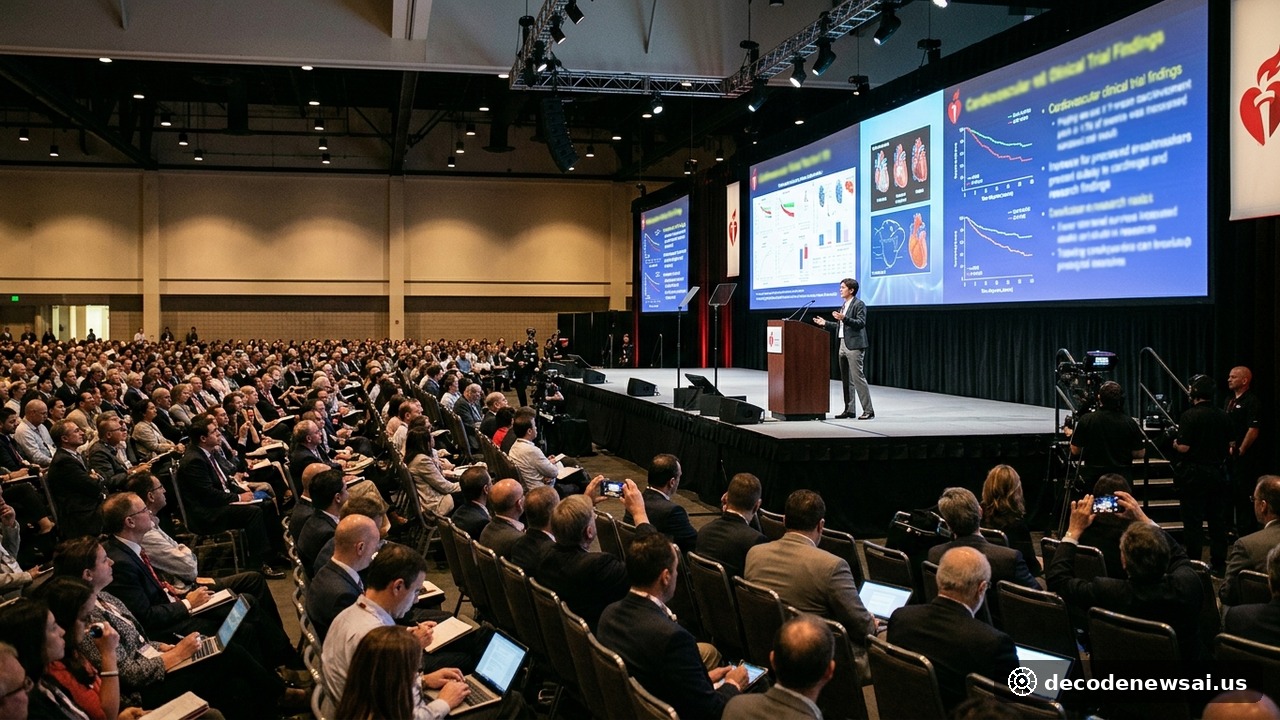
Principal study investigator Professor Paul Ridker presented the complete clinical dataset during a late-breaking clinical trials session at the conference. Ridker addressed the audience of cardiologists: "Targeted interleukin-6 inhibition produced profound systemic biomarker reduction, but the absence of clinical event divergence suggests that vascular atherothrombosis involves distinct uncoupled pathological pathways." The presentation elicited active discussion across the medical assembly.
Ziltivekimab safety shows infection and neutrophil risks
Safety evaluations revealed that targeted interleukin-6 receptor blockade was associated with modest increases in serious infectious complications. The ziltivekimab cohort exhibited higher rates of infection-related hospitalizations relative to the placebo arm. Transient reductions in absolute neutrophil counts were documented among specific vulnerable patient subgroups. Overall adverse events aligned with prior immunosuppressive pharmacovigilance observations.
Novo Nordisk research and development executives convened an investor briefing following the formal conference presentation. Corporate leadership stated that development plans for ziltivekimab across peripheral artery disease and heart failure indications will undergo comprehensive reappraisal based on detailed subgroup analyses. Financial markets responded with moderate share price movements.
Leading cardiologists in attendance debated the underlying pathophysiological pathways responsible for the divergent clinical findings. Pathologists noted that patients with advanced chronic kidney disease frequently exhibit extensive medial arterial calcification and diffuse microvascular fibrosis. Suppressing interleukin-6 signaling alone may prove insufficient to mitigate established calcified vascular disease. Multi-target therapeutic combinations may represent a necessary clinical pathway.
NEJM publishes ZEUS manuscript as analysts cut projections
The New England Journal of Medicine published the complete peer-reviewed clinical trial manuscript simultaneously with the conference presentation. Editorial commentators commended the investigative steering committee for maintaining rigorous trial execution and data transparency. Despite the neutral clinical endpoint, the trial provides definitive high-quality evidence regarding the limits of isolated interleukin-6 suppression in cardiorenal disease.
Pharmaceutical equity analysts revised forward commercial revenue projections for the asset downward across industry models. Investment research desks pivoted attention toward Novo Nordisk's metabolic GLP-1 cardiovascular pipeline assets. Planned regulatory submission schedules will likely be deferred pending strategic pipeline realignments. Research priorities face necessary operational adjustments.
Global clinical trialists have turned attention toward alternative anti-inflammatory therapeutic targets currently advancing through late-phase clinical evaluation. Major trials investigating direct NLRP3 inflammasome inhibitors and specialized colchicine formulations remain underway across international trial networks. Translational researchers emphasized that cardiovascular medicine must continue exploring multi-modal interventions addressing metabolic dysregulation alongside chronic vascular inflammation. Cardiovascular medicine continues to refine its investigative strategies following rigorous clinical trials. Scientific exploration advances through empirical inquiry.
Researchers weigh NLRP3 inhibitors and colchicine trials
Clinical researchers concluded that patient stratification strategies must be re-evaluated to identify specific microvascular disease phenotypes that may yet benefit from targeted cytokine modulation. Biopharmaceutical investment funds noted that despite commercial setbacks for ziltivekimab, the underlying cardioprotective inflammatory hypothesis will continue to guide academic drug discovery pipelines.