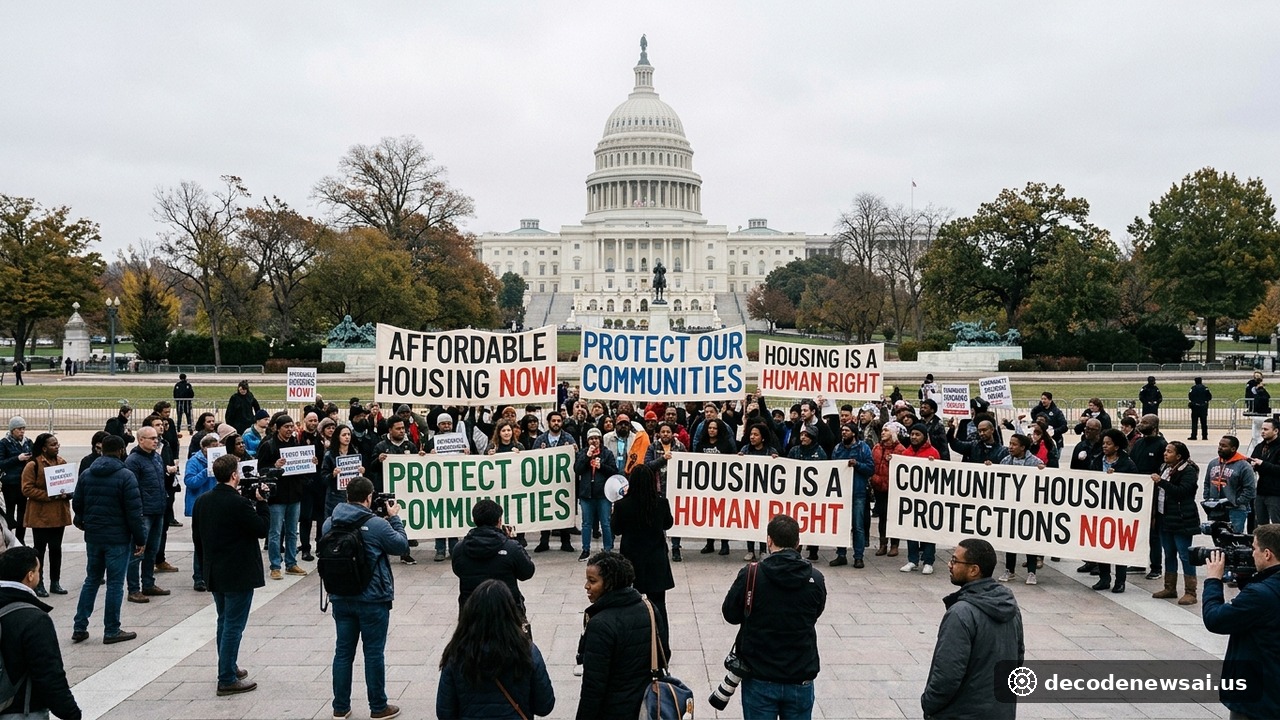
The National Low Income Housing Coalition launched a nationwide mobilization campaign on November 9, 2026, designating November 10 as an official Day of Action to protect federal affordable housing funding. As lawmakers return to Washington for the concluding legislative session of the 119th Congress, hundreds of local housing organizations and tenant advocacy groups mobilized on Capitol Hill. The campaign aims to lobby members of the Senate and House of Representatives to block proposed budgetary reductions targeting low-income housing assistance programs.
Lame-duck session opens as rental costs skyrocket
The resumption of congressional business marks the opening of the legislative lame-duck session following midterm elections. Lawmakers confront tight procedural deadlines to finalize annual appropriations legislation before temporary stopgap funding authorities expire.
Skyrocketing rental costs and persistent residential inflation have intensified housing insecurity for vulnerable working families nationwide. The coalition organized coordinated constituent delegations to petition congressional offices through telephone lobbying campaigns and targeted Capitol visits.
During an administrative press briefing near the Capitol in Washington, a senior policy director for the coalition detailed the statutory stakes involved. The director stated: "Access to safe housing constitutes an essential baseline for human dignity, and Congress must not utilize deficit-reduction debates to dismantle life-saving rental support for millions of low-income families."
Coalition defends HUD funding and Section 8 vouchers
The coalition's legislative priorities concentrate on defending annual appropriations for the Department of Housing and Urban Development. The organization demands full statutory funding for Section 8 Housing Choice Vouchers, which provide rental assistance to more than 2.3 million low-income households.
Advocates also demanded complete appropriations for the national Housing Trust Fund and emergency homelessness prevention grants. Fiscal conservatives previously introduced proposals to reduce uncommitted federal grants by more than 10%, threatening hundreds of planned affordable housing construction developments.
State municipal housing authorities released local economic data demonstrating that median urban rents increased by over twenty percent over the preceding three-year period. Unfunded reductions in federal rental subsidies would overwhelm municipal emergency shelter systems.
Spending talks aim to avert shutdown before winter deadlines
The legislative struggle highlights the fiscal tensions characterizing post-election governance. Congressional leadership is negotiating comprehensive spending packages to prevent a partial federal government shutdown before statutory winter deadlines.
Bipartisan housing advocates are attempting to package housing voucher funding alongside commercial tax incentives. Lawmakers warned that cutting low-income housing subsidies directly destabilizes local labor markets by exacerbating worker displacement.
Housing policy economists and urban planning specialists underscored that targeted federal appropriations are vital for preventing a surge in homelessness among low-income working families and elderly residents. Because private rental markets across major metropolitan centers continue to experience tight vacancy rates and elevated borrowing costs, maintaining robust funding for the National Housing Trust Fund and Project-Based Rental Assistance ensures that vulnerable households avoid eviction during seasonal downturns. Civic advocacy groups and tenant federations participating in the Day of Action mobilized grassroots delegations to meet directly with congressional appropriators, providing firsthand accounts of local affordability challenges. Fiscal analysts noted that every dollar invested in federal housing preservation yields substantial long-term savings across municipal public health and emergency services budgets. Congressional leaders confirmed that final omnibus spending negotiations will carefully balance fiscal constraints against critical human needs.
Bipartisan appropriators back grassroots housing mobilization
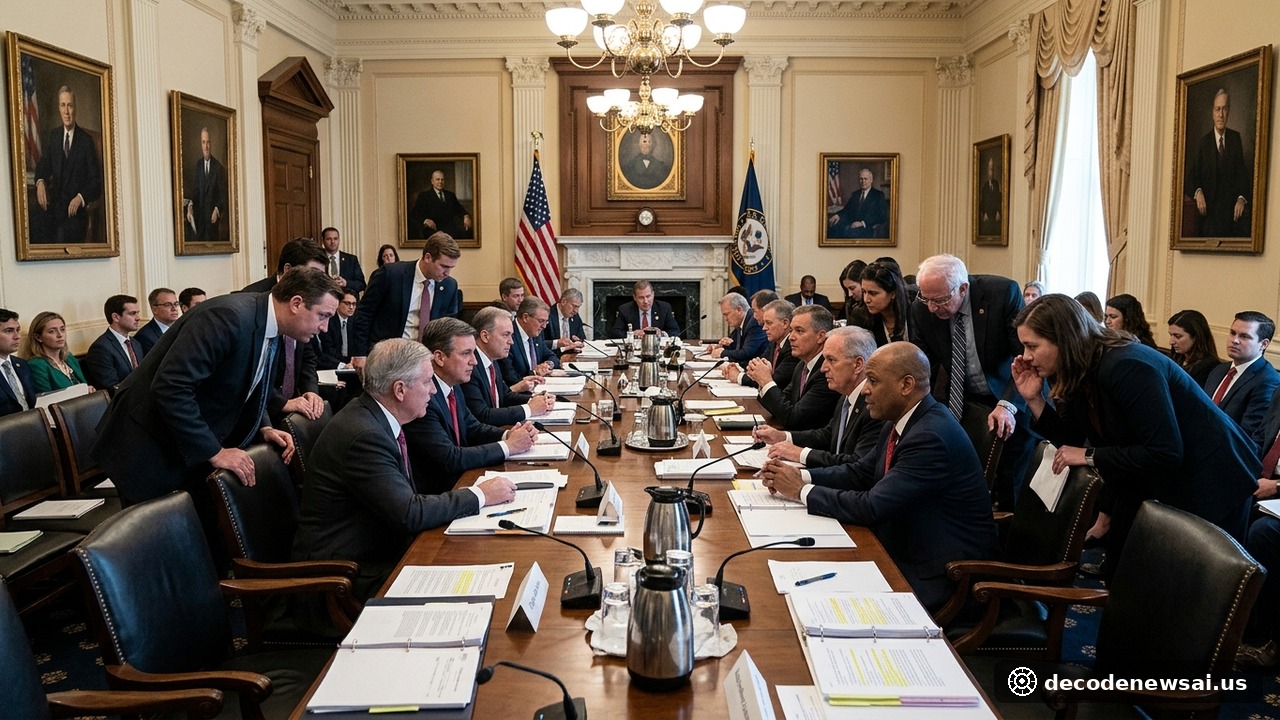
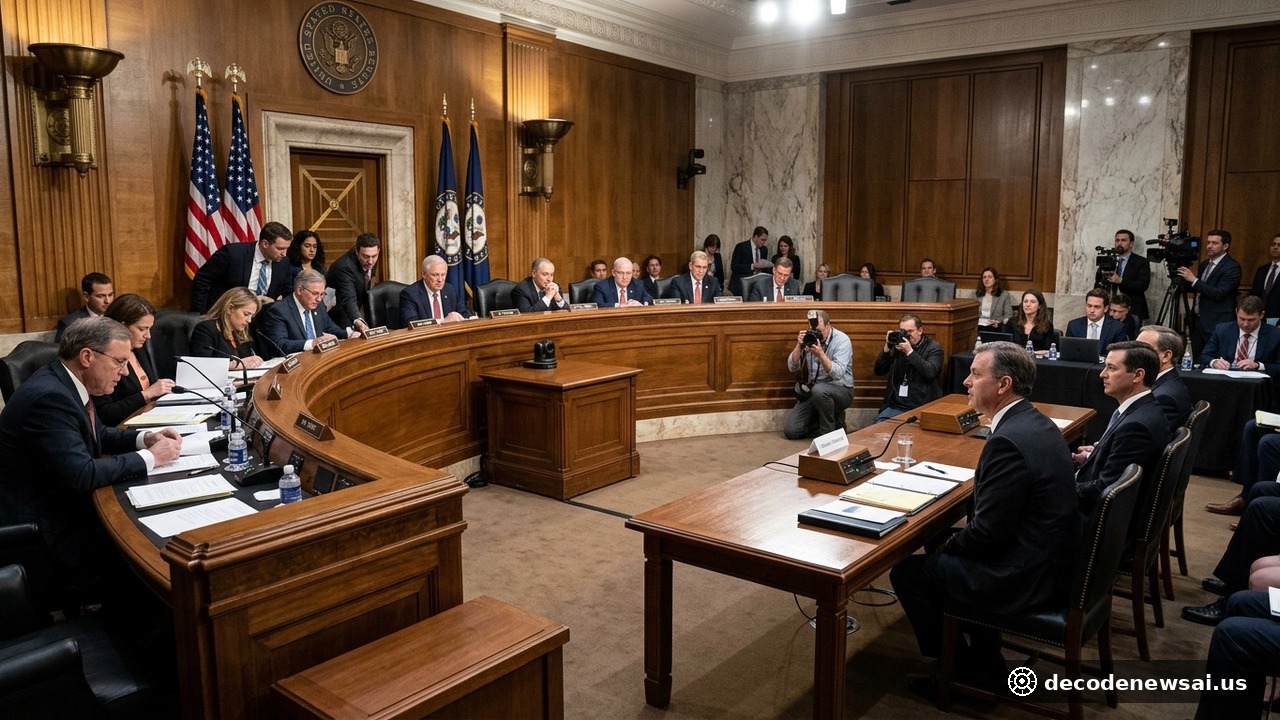
The grassroots mobilization has drawn support from senior members of the House and Senate Appropriations Committees. Bipartisan staff directors are holding closed-door drafting sessions to reconcile competing budget caps. Millions of American households await the outcome.
Metropolitan housing authorities and regional civil rights coalitions affirmed that robust federal support remains indispensable for maintaining equitable urban development. Because stable housing is foundational to community well-being, civic leaders urged Congress to safeguard essential housing investments during final budget reconciliation sessions.
Housing advocates emphasized that municipal shelters and local community development corporations rely heavily on uninterrupted federal partnership. Grassroots leaders expressed determination to sustain active public advocacy until comprehensive federal appropriations are formally signed into law by executive authorities.