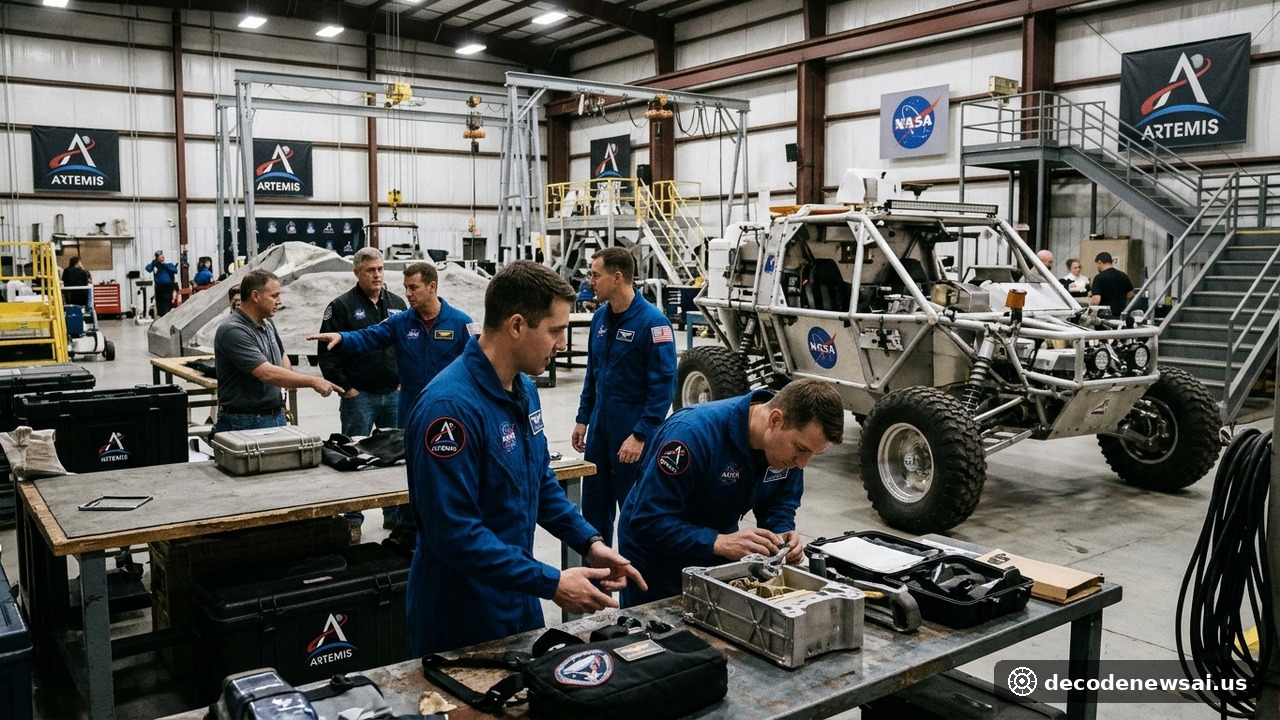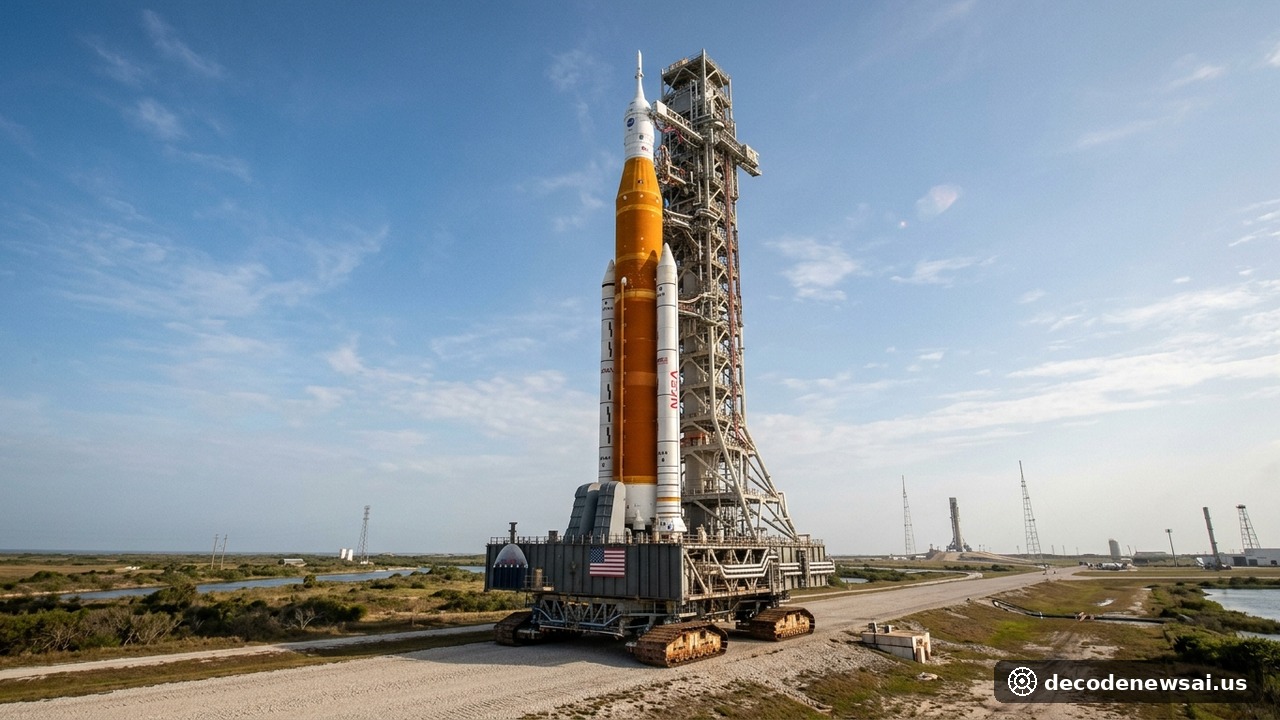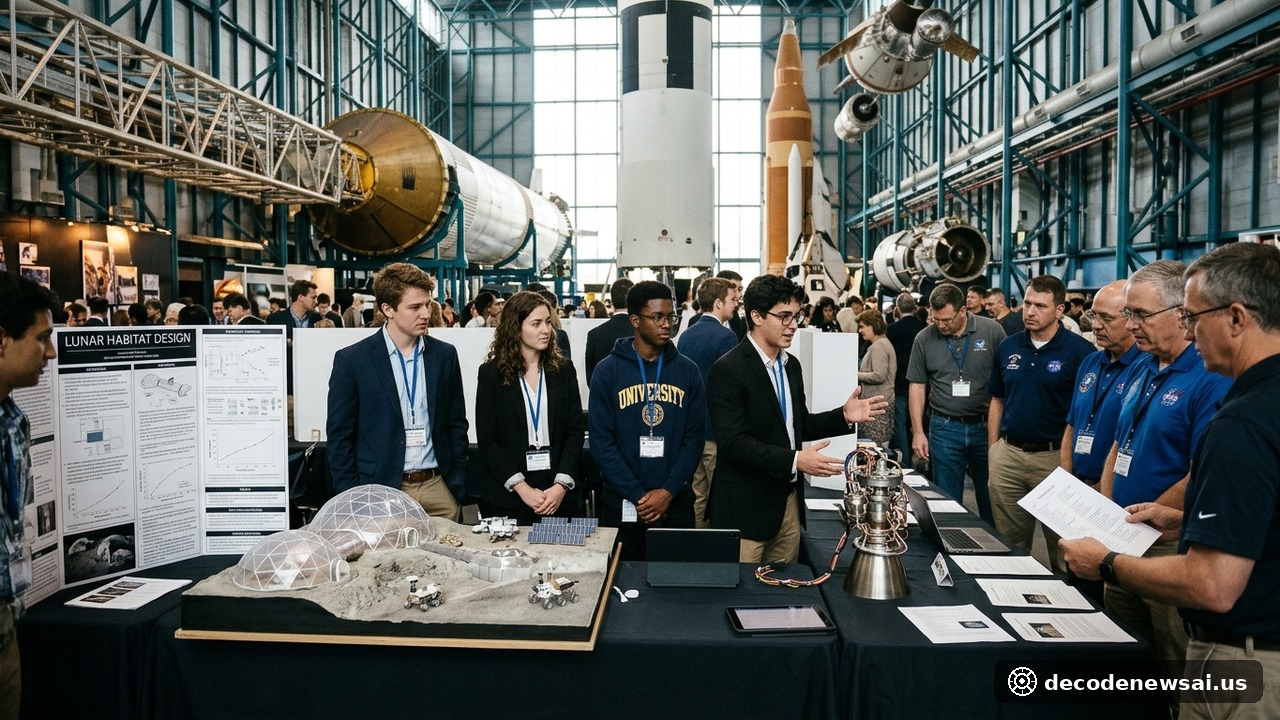
CAPE CANAVERAL, Fla. - The National Aeronautics and Space Administration officially launched a major engineering collegiate challenge on Monday, November 9, establishing a $1 million prize pool for university students and multidisciplinary engineering teams to design next-generation permanent lunar surface habitats. Administered by the Space Technology Mission Directorate's Center of Excellence for Collaborative Innovation, the collegiate competition supports NASA's long-term Artemis program architecture. Engineering faculty and student aerospace societies across the nation welcomed the initiative.
Teams must solve lunar night and radiation obstacles
According to formal challenge guidelines unveiled at Kennedy Space Center, participating collegiate squads must address formidable extraterrestrial environmental obstacles, including enduring two-week lunar night cryogenic temperatures, shielding crews from high-energy galactic cosmic rays, and mitigating high-velocity micrometeorite impacts. Designs must emphasize in-situ resource utilization, employing compacted lunar regolith sintering methodologies to construct durable exterior radiation shields.
Habitation blueprints must demonstrate industrial-grade constructability, incorporating closed-loop environmental life support systems, modular pressurized mobile habitats, and autonomous surface roving transport docking bays. Autonomous power grids and water recycling closed loops represent critical evaluation metrics for competing submissions.
A senior associate administrator within NASA's Space Technology Mission Directorate spoke during the opening challenge ceremonies on Monday: "Establishing a permanent, sustainable human presence on the Moon requires the boldest engineering breakthroughs from the next generation of engineers, and this $1 million initiative aims to spark creative solutions that will keep lunar explorers safe across hostile environments." Academic engineering leaders commended the ambitious technical scope.
NASA opens 5-kilowatt to 20-kilowatt electric rocket challenge
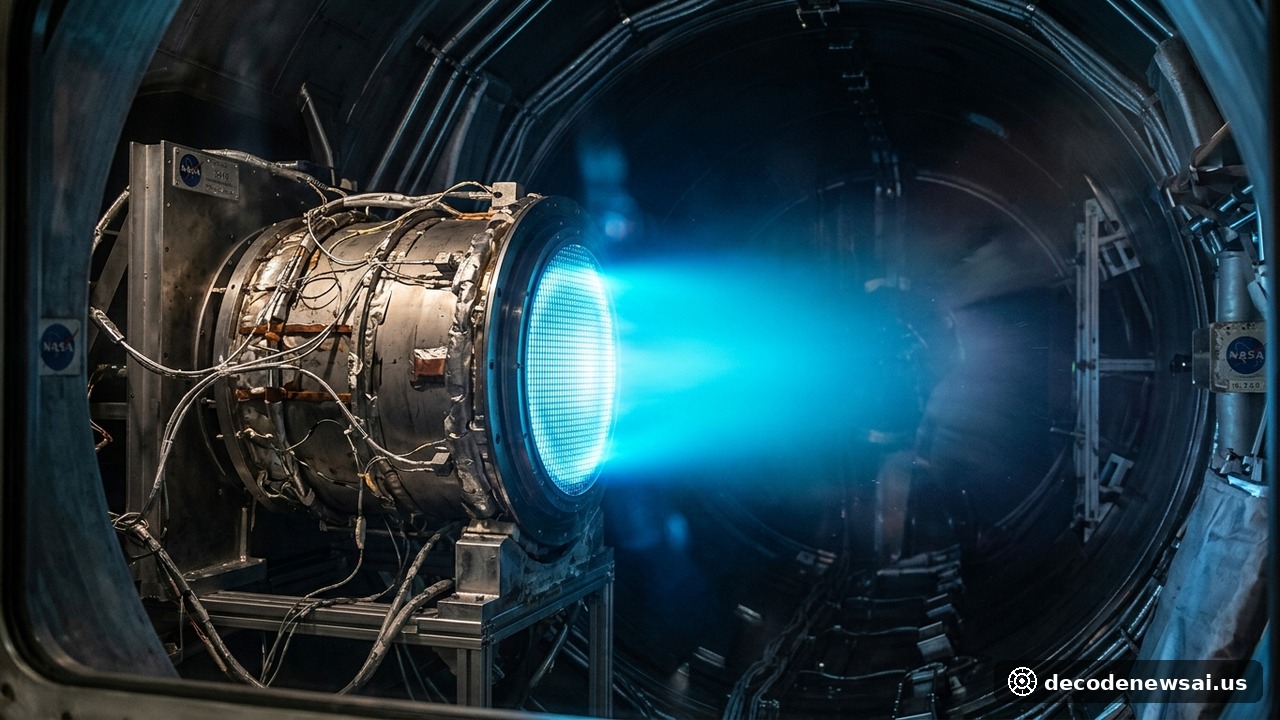
Operating in parallel with the habitat competition, NASA opened registration for the Advanced Mid-Power Electric Rocket Challenge. The specialized propulsion competition solicits advanced Hall-effect thrusters and radiofrequency ion engine concepts operating within a 5-kilowatt to 20-kilowatt power envelope. Electric propulsion systems provide exceptionally high specific impulse relative to traditional chemical propellants, providing efficient deep-space cargo transit between Earth-Moon Lagrange points and low lunar orbit.
Finalist collegiate engineering teams will access thermal vacuum environmental chambers at NASA's Glenn Research Center in Cleveland, Ohio, to conduct hot-fire prototype testing under simulated space vacuum conditions. Challenge submissions will remain open through the spring semester of 2027.
The complete dismissal of criminal charges against Harvard researcher Kseniia Petrova establishes a vital legal safeguard protecting international scholars engaged in legitimate scientific research within the United States. Academic associations and university legal scholars emphasized that criminalizing the routine physical transit of non-hazardous, preserved biological samples threatened to cast an intolerable chill over collaborative global research partnerships. The court's ruling and the government's subsequent motion to drop the prosecution affirm that administrative border customs guidelines must be applied with reasonable proportionality and fidelity to scientific reality.
Petrova case and academic research collaboration affirmed
Biomedical research directors across major Massachusetts teaching hospitals expressed relief that Petrova can now resume her vital scientific investigations into cellular aging processes and tumor microenvironments. Faculty members underscored that international scientific mobility is fundamental to maintaining American leadership across cutting-edge life sciences and biomedical innovation. The judicial resolution provides clear administrative guidance for border regulatory authorities, ensuring that immigration enforcement protocols respect academic freedoms and encourage talented international scientists to pursue groundbreaking discoveries in American laboratories.
Aerospace education directors affirmed that engaging university engineering students in competitive design challenges cultivates vital technical talent required for long-term space exploration missions. Collaborative academic research initiatives bridge the gap between theoretical laboratory modeling and mission-critical hardware production across the Artemis lunar exploration architecture. Academic research institutions reaffirmed their dedication to fostering inclusive, cross-border scientific collaboration while upholding the highest standards of regulatory compliance and integrity. International industry analysts and regional observers confirmed that transparent governance standards ensure lasting economic resilience and technological progress across global markets.