- Detection Threshold: Diameter detection limit down to approximately 5 km
- Primary Instruments: Hubble Space Telescope & James Webb Space Telescope;Synergizes high-resolution optical and sensitive infrared arrays
- Orbital Classification: Dynamically cold classical TNOs and resonant bodies;Unperturbed fossils representing early protoplanetary accretion
- Surface Volatiles Identified: Pristine water ice, methane, and complex tholins;Supplies physical constraints on volatile transport models
Webb and Hubble Detect 5 km Icy Bodies
An international astronomical research consortium sponsored by the National Aeronautics and Space Administration (NASA) and the European Space Agency (ESA) has announced the discovery of 27 previously undetected Trans-Neptunian Objects (TNOs) in the distant Kuiper Belt. In a comprehensive study published in The Astronomical Journal, researchers demonstrated how the combined observational prowess of the Hubble Space Telescope and the James Webb Space Telescope (JWST) enabled the detection of these pristine icy relics, which have remained virtually undisturbed since the accretion of the solar system 4.5 billion years ago.
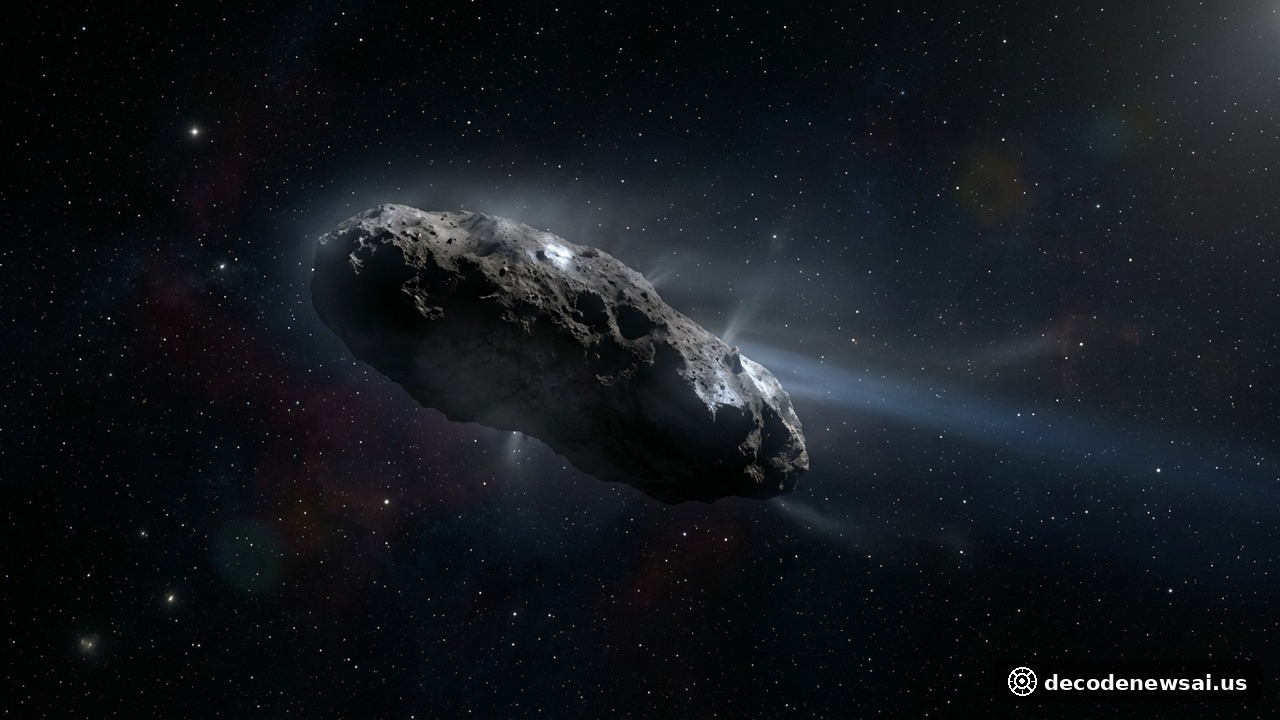
The newly cataloged objects push the boundaries of deep-space detection thresholds, with the smallest discovered bodies measuring just five kilometers in diameter. Historically, ground-based observatories and early space assets were constrained to observing larger trans-Neptunian bodies exceeding hundreds of kilometers across, such as Pluto, Eris, and Makemake. However, theoretical planetary formation models have long posited that the vast majority of original planetesimals produced in the outer regions of the protoplanetary disk were diminutive bodies that provide an authentic snapshot of initial nebular conditions.
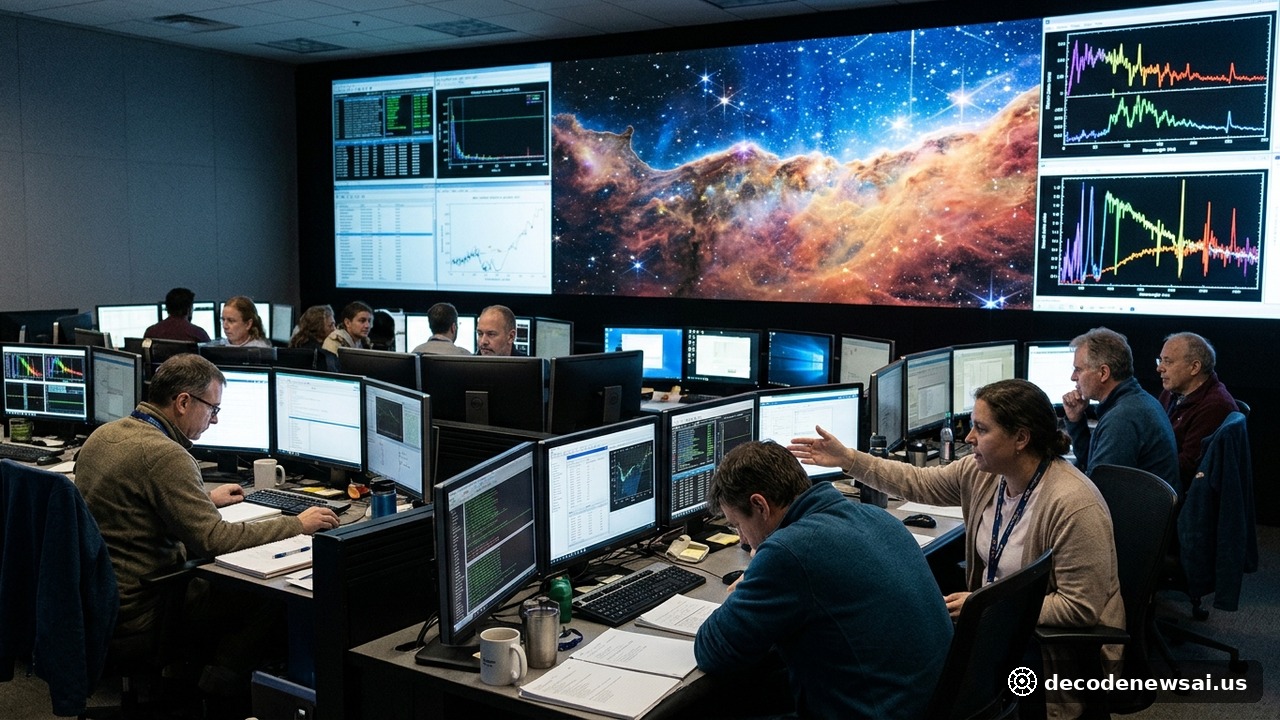
To identify these faint targets, astronomers conducted targeted deep-field surveys using Hubble’s Advanced Camera for Surveys (ACS) to capture optical astrometric frames, meticulously tracking subtle orbital displacements against distant background galaxies. Once candidate orbital trajectories were established, Webb’s Near-Infrared Camera (NIRCam) and Mid-Infrared Instrument (MIRI) executed targeted photometric follow-ups. Webb’s unprecedented infrared sensitivity allowed researchers to measure the thermal emission and optical reflectance of each body simultaneously, determining both exact physical sizes and surface albedos with remarkable precision.
Cold Classical TNOs Reveal Primordial Volatiles
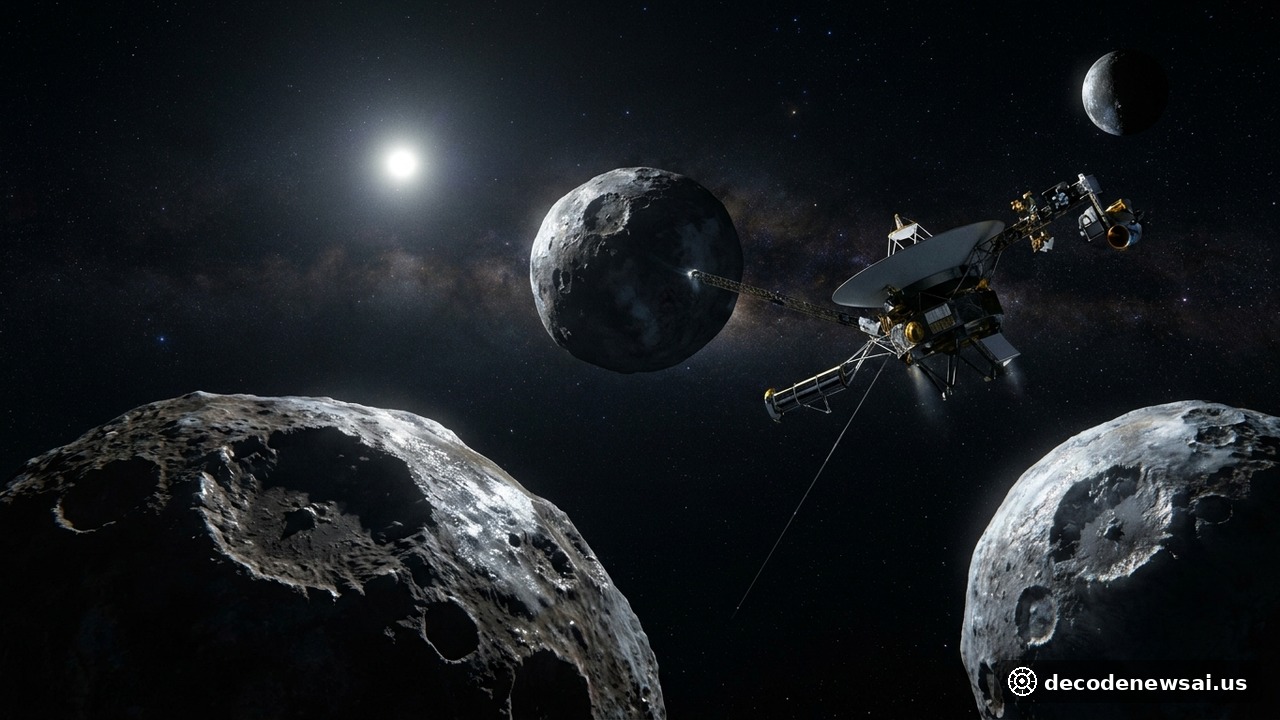
A significant proportion of the newly discovered bodies occupy the "cold classical" Kuiper Belt domain, characterized by low orbital inclinations and nearly circular eccentricities. Because these objects never experienced gravitational scattering by migrating gas giants like Jupiter or Neptune, their surfaces preserve the primordial composition of the protosolar nebula. Infrared spectroscopic analysis revealed distinct absorption signatures of water ice and volatile methane clathrates, coated by reddish refractory organic compounds known as tholins.
Cosmochemists and planetary dynamicists emphasized that cataloging these small planetesimals offers critical empirical validation for giant planet migration theories. Furthermore, understanding the abundance and structural composition of these icy relics provides vital clues regarding how primordial water and prebiotic compounds were delivered to the inner terrestrial planets during the early epochs of solar system evolution.
Astrophysicists and planetary science researchers emphasized that the discovery of these diminutive trans-Neptunian relics marks an observational renaissance in outer solar system astronomy. By demonstrating the synergistic capabilities of space-based optical and infrared instrumentation, the research team has established a definitive empirical benchmark that directly constrains hydrodynamic models of early protoplanetary disk evolution. Detailed statistical analyses of the collisional survivability and surface spectral properties of these five-kilometer planetesimals provide compelling physical insights into the primordial thermal gradients of the solar nebula, offering invaluable context for upcoming deep-space planetary reconnaissance missions.
Optical and Infrared Method for Future Exploration
Additionally, observational astronomers highlighted that the collaborative synthesis of optical precision and infrared spectroscopy establishes an exemplary methodology for future solar system exploration. As upcoming ground-based extremely large telescopes and next-generation space missions prepare for deployment, the empirical orbital parameters documented in this study will serve as foundational navigational markers for investigating the ancient accretionary processes that assembled planetesimals across the furthest frontiers of our planetary system.