In-space propulsion and orbital logistics firm Impulse Space announced on November 7, 2026, the award of two commercial task orders from NASA to provide deep-space payload delivery and orbital maneuvering. Operating under commercial lunar logistics frameworks, Impulse Space will deploy its high-energy Helios orbital transfer vehicle alongside its Mira orbital service craft to deliver critical infrastructure components to cislunar orbit in support of the Artemis Moon Base. The contracts establish the first integrated commercial transport architecture utilizing high delta-v orbital transfer craft to ferry multi-ton surface assets from low Earth orbit directly to lunar landing staging corridors.
NASA Cislunar Logistics Task Order Specifications and Propulsion Metrics
- Awarded Institutional Task Orders: 2 Commercial Cislunar Transportation Delivery Contracts
- Primary Spacecraft Deployment Pair: Helios High-Delta-V Stage & Mira In-Space Tug
- Supported Lunar Infrastructure Initiatives: Artemis Base Camp and Gateway Logistics Pipelines
High-Delta-V Orbital Transfer Solves Deep-Space Payload Bottlenecks
In conventional space exploration architectures, delivering massive multi-ton scientific hardware into lunar orbit represents an inefficient endeavor.
Coordinated Fleet Architectures Link Low Earth Orbit to Lunar Outposts
The operational framework established under the NASA contracts demonstrates an interconnected two-tier orbital logistics model.
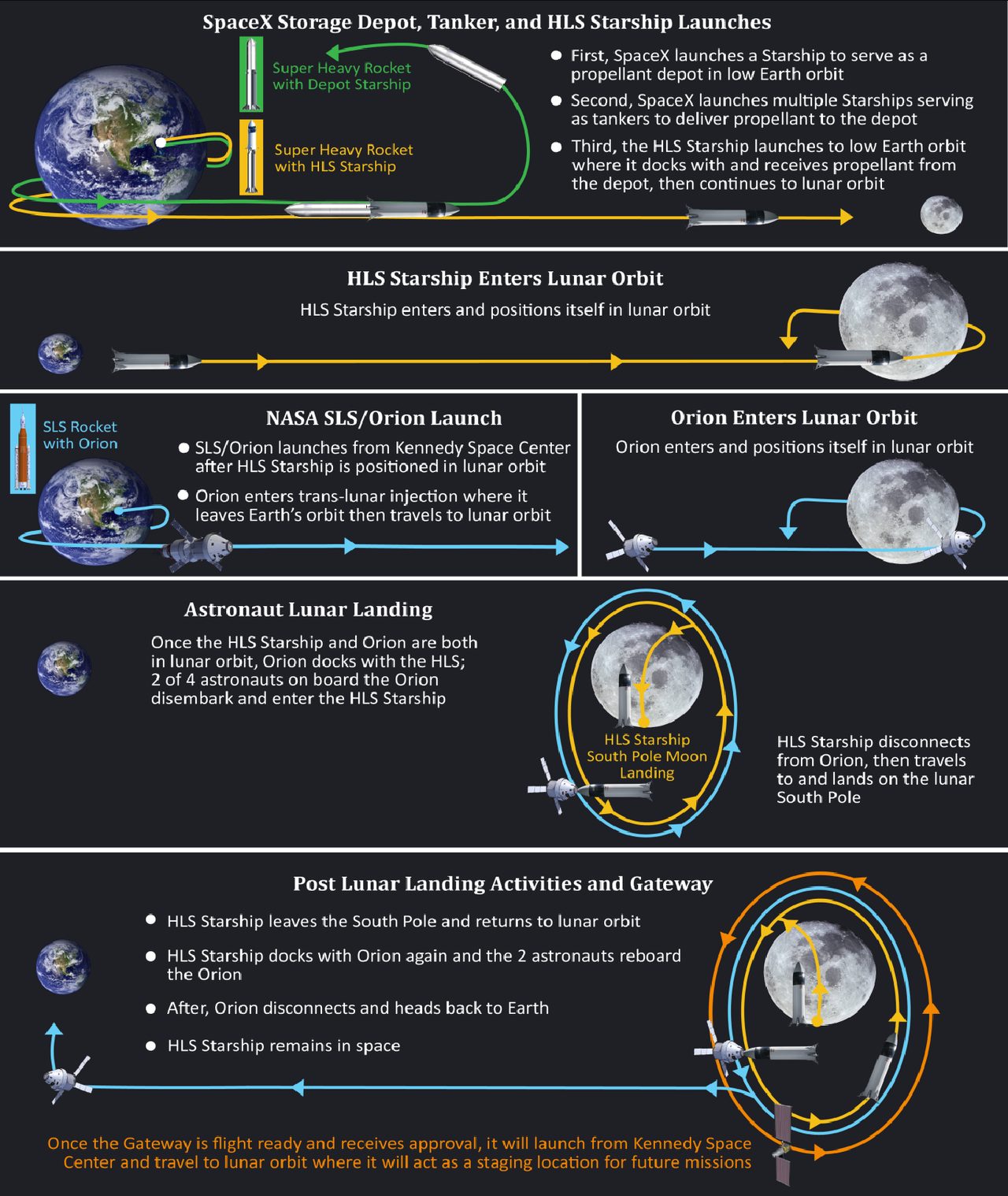
According to orbital trajectory profiles approved by mission managers, the compact Mira satellite bus will operate in low Earth orbit, receiving delicate scientific payloads delivered across distributed commercial launch vehicles and conducting autonomous robotic assembly and telemetry checks. Once payload integration concludes, the larger Helios stage executes orbital docking maneuvers, acting as an orbital tug to inject the combined stack into trans-lunar trajectories. This distributed assembly approach enables NASA to utilize cost-effective medium-class commercial launch vehicles rather than expending dedicated super-heavy rockets, establishing a regular, cost-efficient cislunar cargo supply route.
Commercial Orbital Transportation Accelerates Permanent Human Lunar Infrastructure
The formal endorsement from NASA validates Impulse Space's operational capabilities across deep-space orbital transportation markets.
Aerospace defense analysts observe that as international competition to establish permanent lunar infrastructure accelerates, operational mastery over low-cost orbital transit architectures constitutes a strategic asset. By establishing low Earth orbit staging depots supported by high-energy transfer craft, Impulse Space reduces delivery costs for lunar payloads by over forty percent. With flight demonstrations scheduled to commence in late 2027, the commercial cislunar transport service establishes essential logistics infrastructure supporting continuous human research operations at the lunar south pole. Aerospace analysts observe that developing standardized in-space transport infrastructure is essential for sustaining complex lunar operations. Impulse Space's commercial mobility services provide space agencies and commercial partners with flexible, high-energy transportation that underpins long-term scientific discovery and commercial development beyond low Earth orbit.
International industry observers and regulatory authorities will continue to monitor these developments closely as operational benchmarks and market conditions evolve over the coming quarterly financial and regulatory reporting cycles across global jurisdictions.