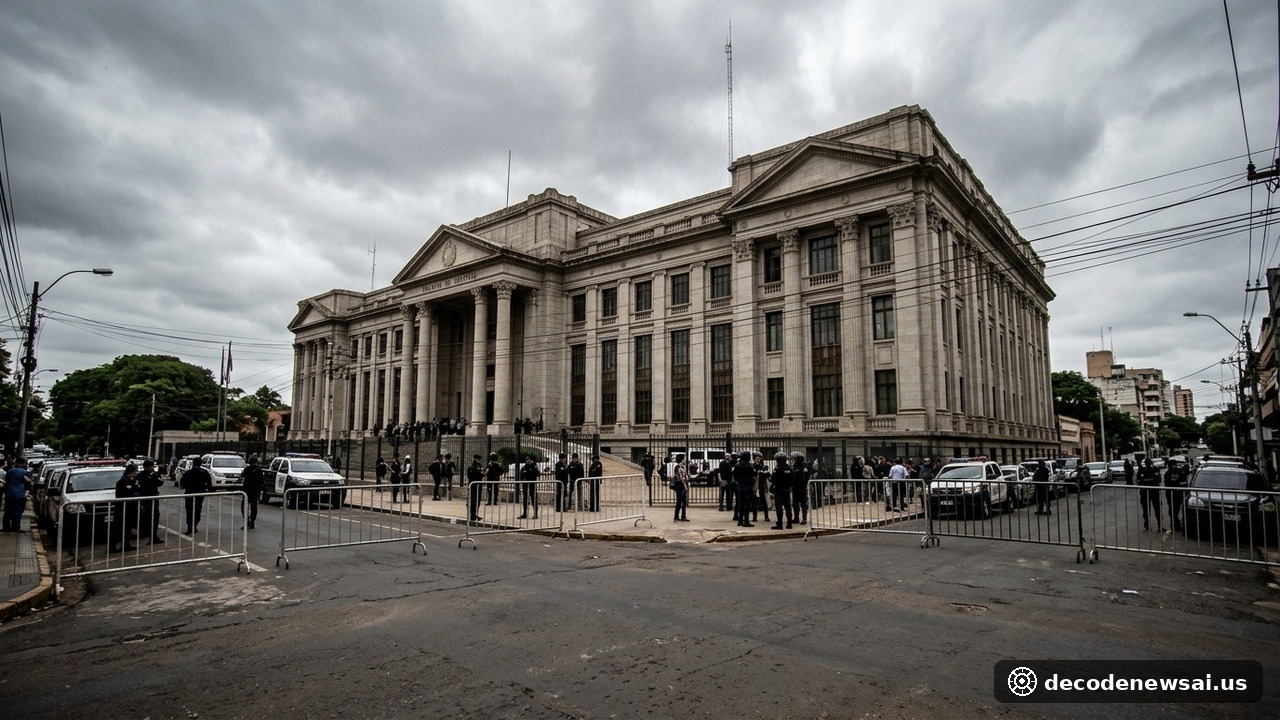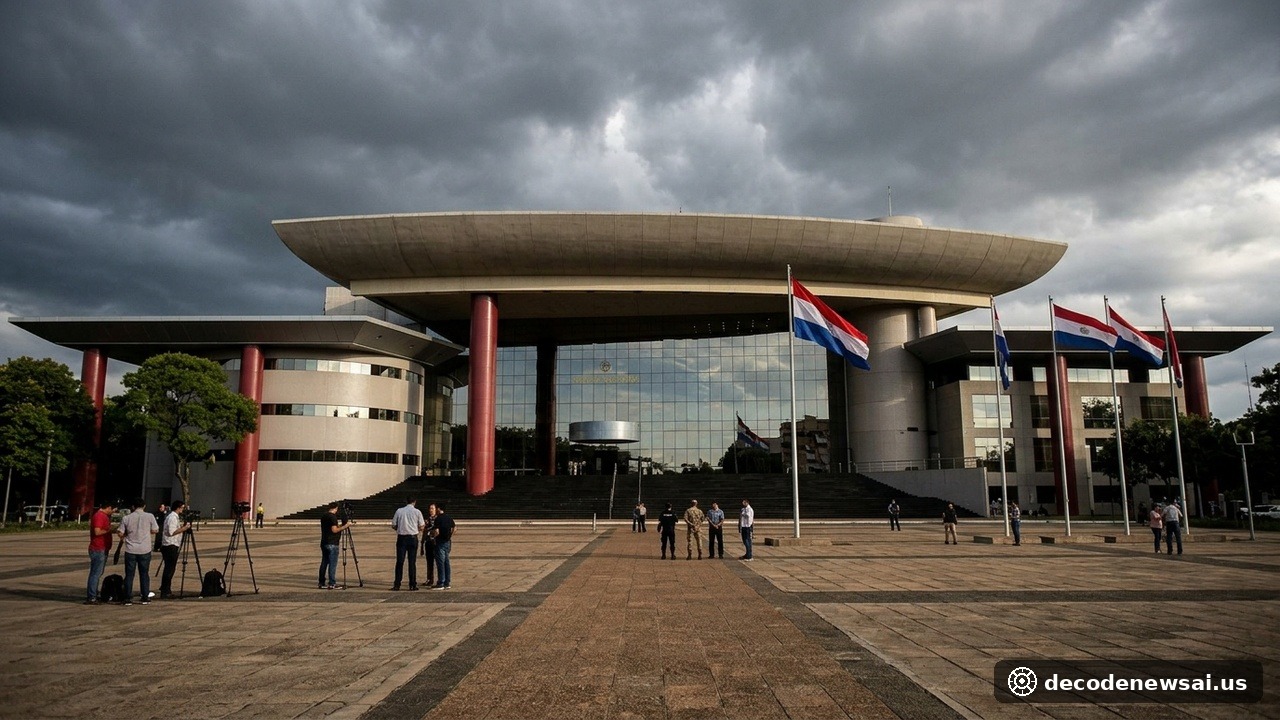
Chief Anti-Corruption and Economic Crimes Prosecutor Nancy Salomón confirmed the indictments in Asunción on November 7, 2026. The charges target recently deposed former President Santiago Peña. They follow a preliminary investigation into his role in the insolvency of Ueno Bank. The digital lender's collapse froze the liquid assets of about three million depositors. That is nearly half the country's population.
Judicial Indictments and Banking Failure Parameters in the Ueno Bank Collapse
The Failure of a FinTech Platform and the Fall of Paraguay's Executive Branch
Forensic audits by the Central Bank of Paraguay found systematic governance failures. Ueno Bank breached statutory risk diversification guidelines. It funneled hundreds of millions of dollars in retail deposits into high-risk, unsecured debt. That debt went to shell companies affiliated with its ultimate controlling shareholders. Related-party credit portfolios deteriorated. The bank's regulatory capital fell to less than half the statutory solvency mandate. Regulators then moved to abrupt resolution and operational suspension on November 2.
Evidence Behind the Criminal Charges Against Former President Peña
Chief Prosecutor Nancy Salomón said the prosecution rests on documented transactions. She spoke during press briefings. The filings allege conflicts of interest between the executive office and the failed lender. Before his 2023 presidential election for the ruling Colorado Party, Peña was a senior financial consultant and direct equity shareholder in Ueno Bank's corporate matrix. He did not place these assets into a verifiable blind trust upon taking power. Instead, he used executive directives to compel administrative ministries, state utilities, and public pension institutes to move hundreds of billions of guaraníes in public liquid reserves. The money went out of conservative state banks and into Ueno accounts.
Forensic audits show Peña and former central bank president José Cantero Carvallo suppressed internal regulatory alarms. The alarms concerned the lender's impending illiquidity. Sovereign state deposits were used to temporarily mask commercial insolvency for private pecuniary advantage.
Social Unrest and Regional Fallout From the Ueno Bank Collapse
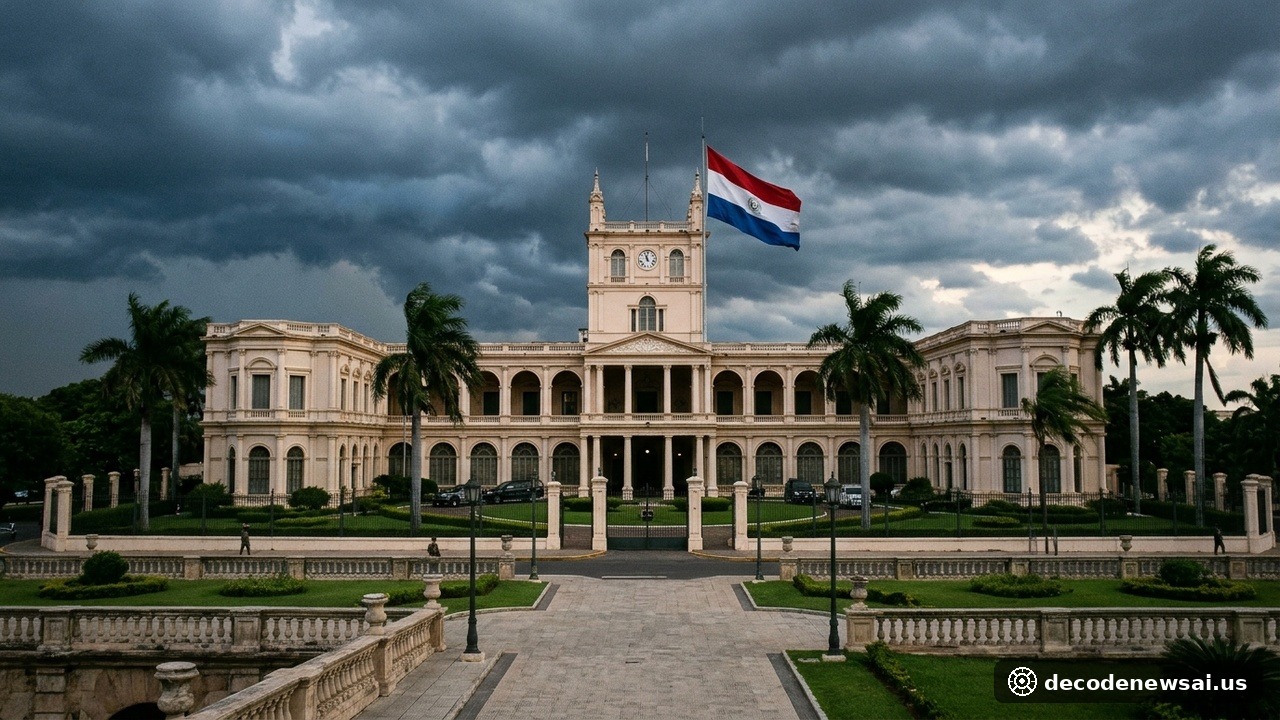
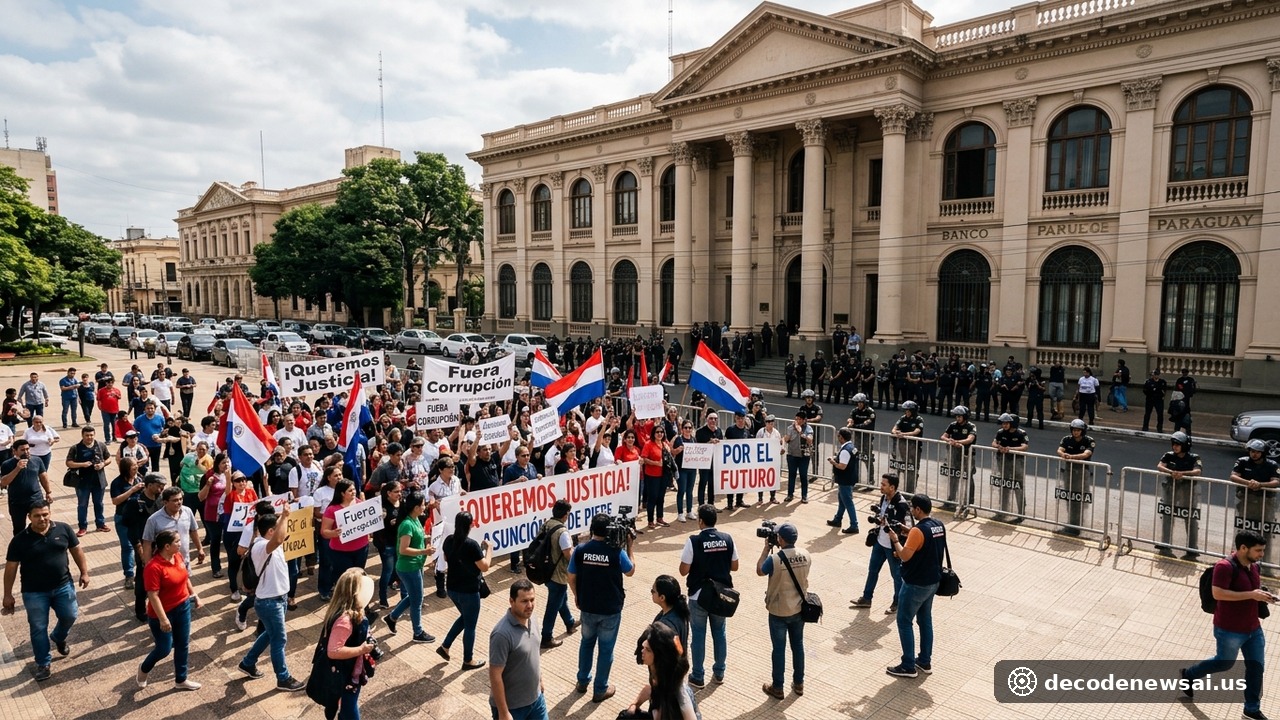
The collapse has driven severe social unrest across Paraguay's urban centers. It has shattered civic confidence in financial stability. For days, thousands of depositors and labor union members demonstrated outside the Palacio de los López, the Central Bank headquarters, and Congress. Violent street clashes followed. The unrest accelerated Peña's swift impeachment. Transitional monetary authorities mobilized emergency deposit guarantee funds. They executed capped disbursements for retail savers. Billions of dollars in commercial and uninsured institutional capital remain inaccessible.
Global credit rating agencies have expanded sovereign risk premiums on Paraguayan external bonds. They warn that systemic institutional corruption at the highest executive levels will depress foreign direct investment across South American emerging markets for years to come.